Program Overview
A cable joint is only as reliable as the hands that made it, and those hands are shaped by whoever trained them. This program prepares experienced jointers to become instructors for 3M cold shrink HV cable accessories, combining a high level of personal installation skill with the ability to teach, coach and assess others.
The technical content covers safety leadership in HV cable environments, identification of XLPE and PILC SWA cables, safe use of tools and resins, cable preparation and core presentation, culminating in a 185 mm² triplex XLPE to PILC SWA trifurcating transition joint. In parallel, participants learn to plan structured sessions, demonstrate techniques, assess trainee work against 3M installation instructions and trainer guidelines, and maintain consistent training standards.
Learning Outcomes
- Lead HV cable jointing sessions with clear safety leadership, PPE and hazard controls
- Identify XLPE and PILC SWA cable constructions and select suitable training scenarios
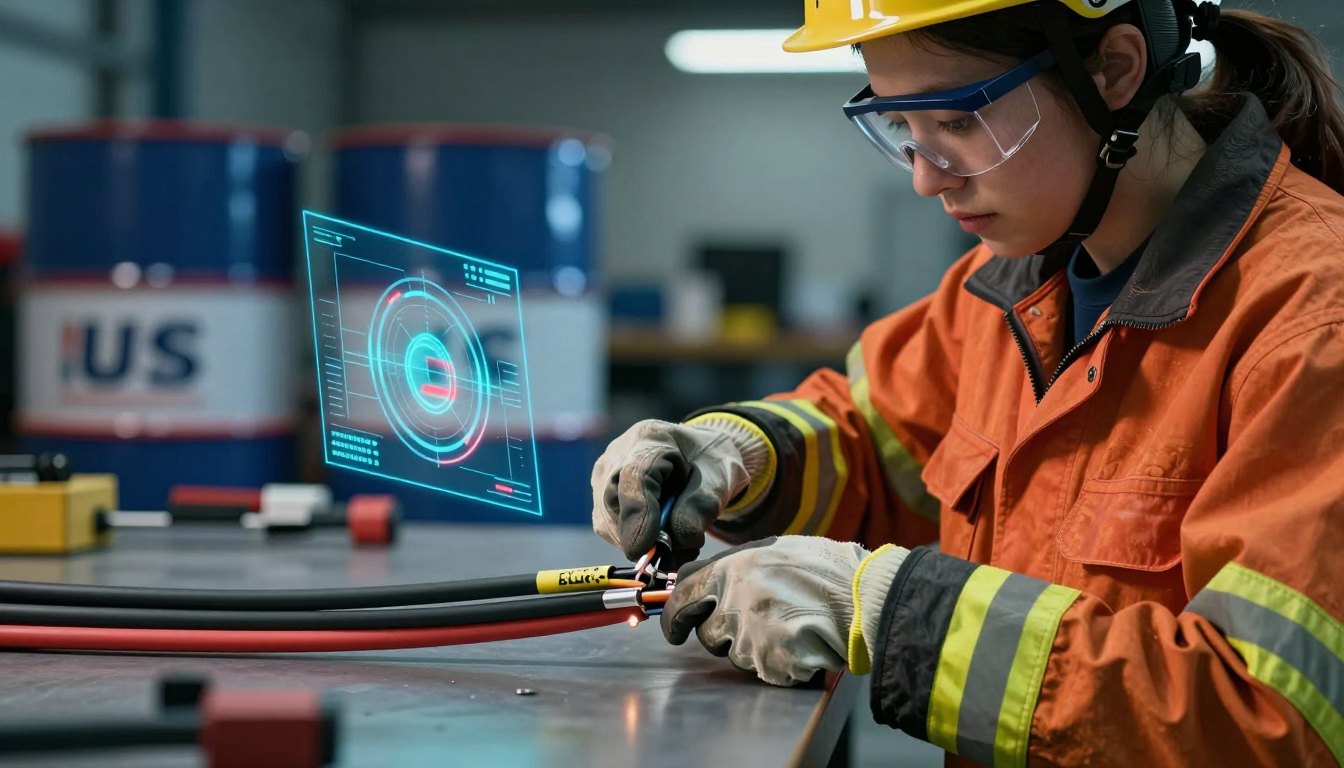
- Demonstrate cable preparation, screen removal and insulation preparation to installation instructions
- Complete a 185 mm² triplex to PILC SWA trifurcating joint to an assessable standard
- Plan and deliver structured technical training sessions with clear learning objectives
- Assess trainee performance objectively and record compliance with training standards
Program Modules
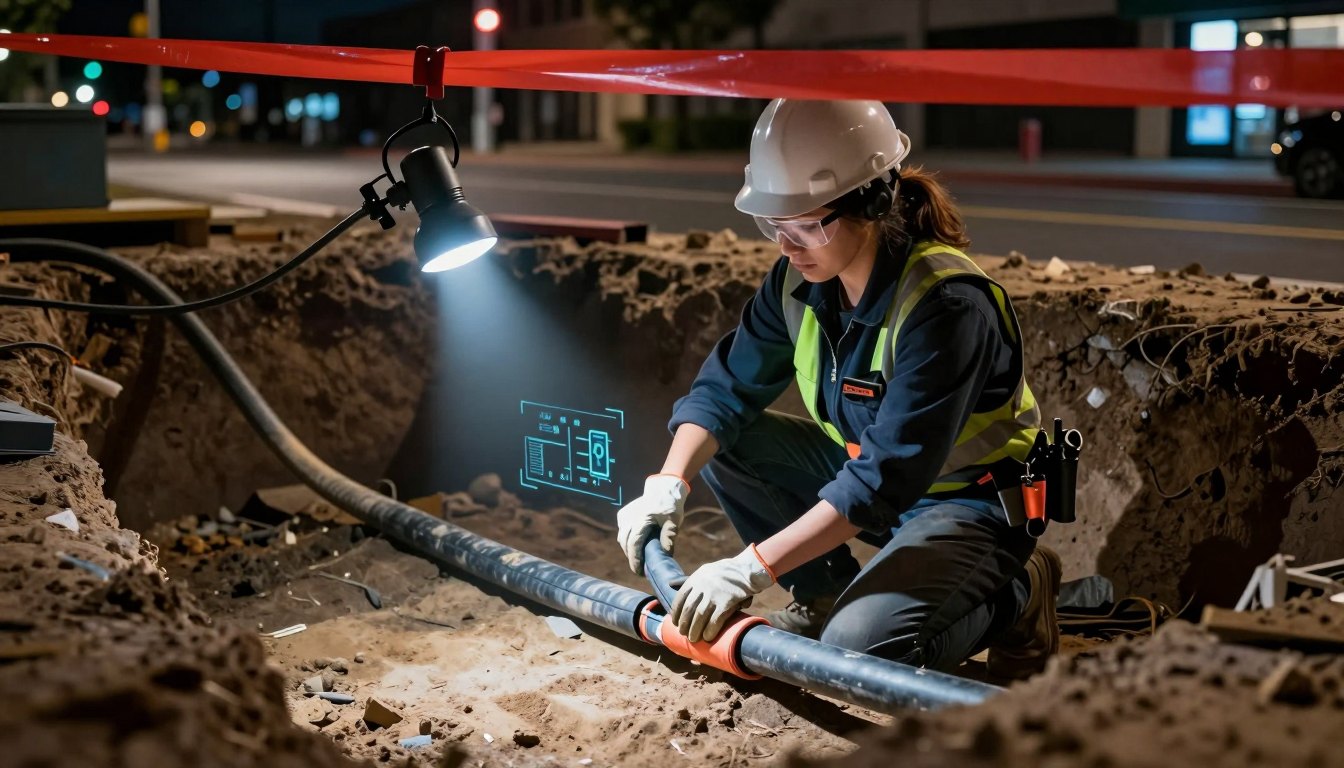
- Safety Leadership, PPE and Hazard Awareness — leading safe practice in HV cable bays and excavations
- XLPE and PILC SWA Cable Identification — constructions, materials and use in training scenarios
- Tools, Resins and Hygiene Procedures — safe demonstration of hand tools, compounds and cleaning practice
- Cable Preparation — oversheath removal, armor and screen stripping and XLPE insulation preparation
- Joint Preparation and Core Presentation — dimensions, smooth core surfaces and stress control
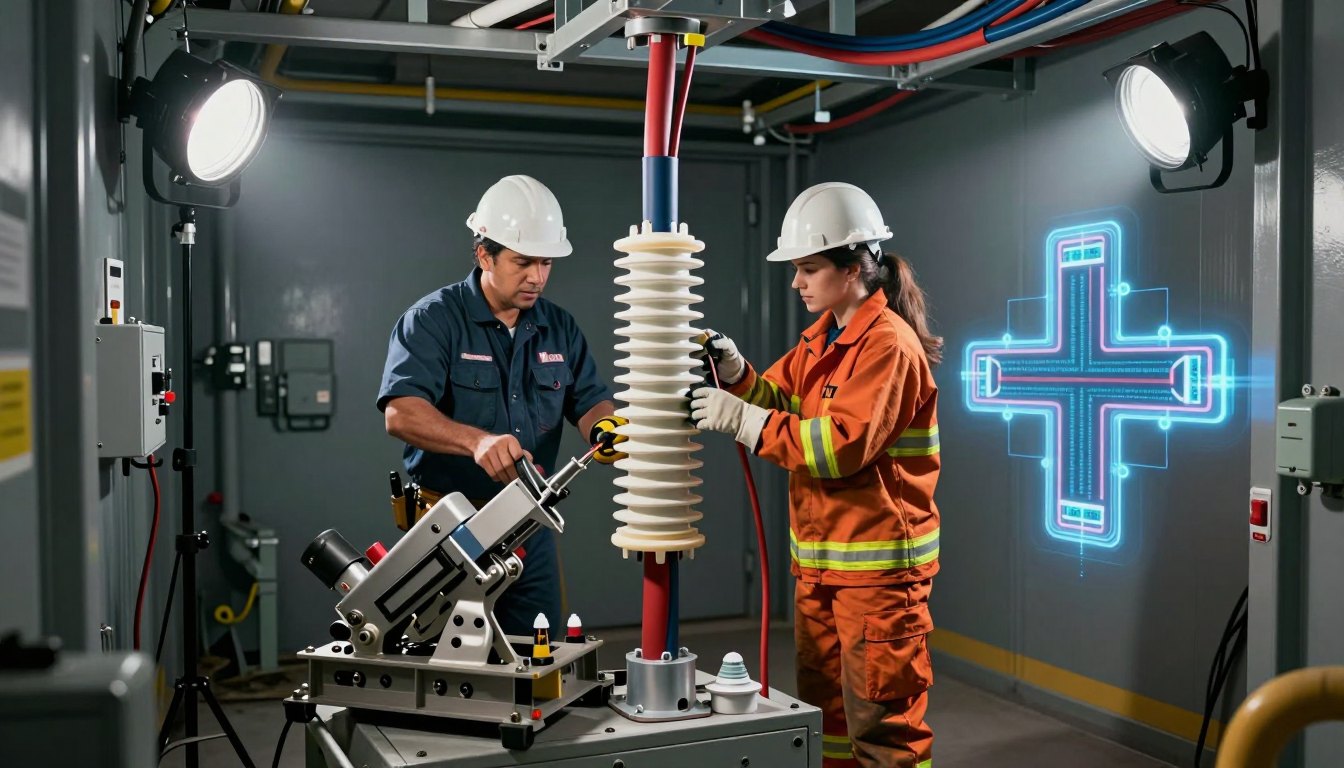
- Triplex to PILC SWA Trifurcating Joint (185 mm²) — full transition joint installation using cold shrink components
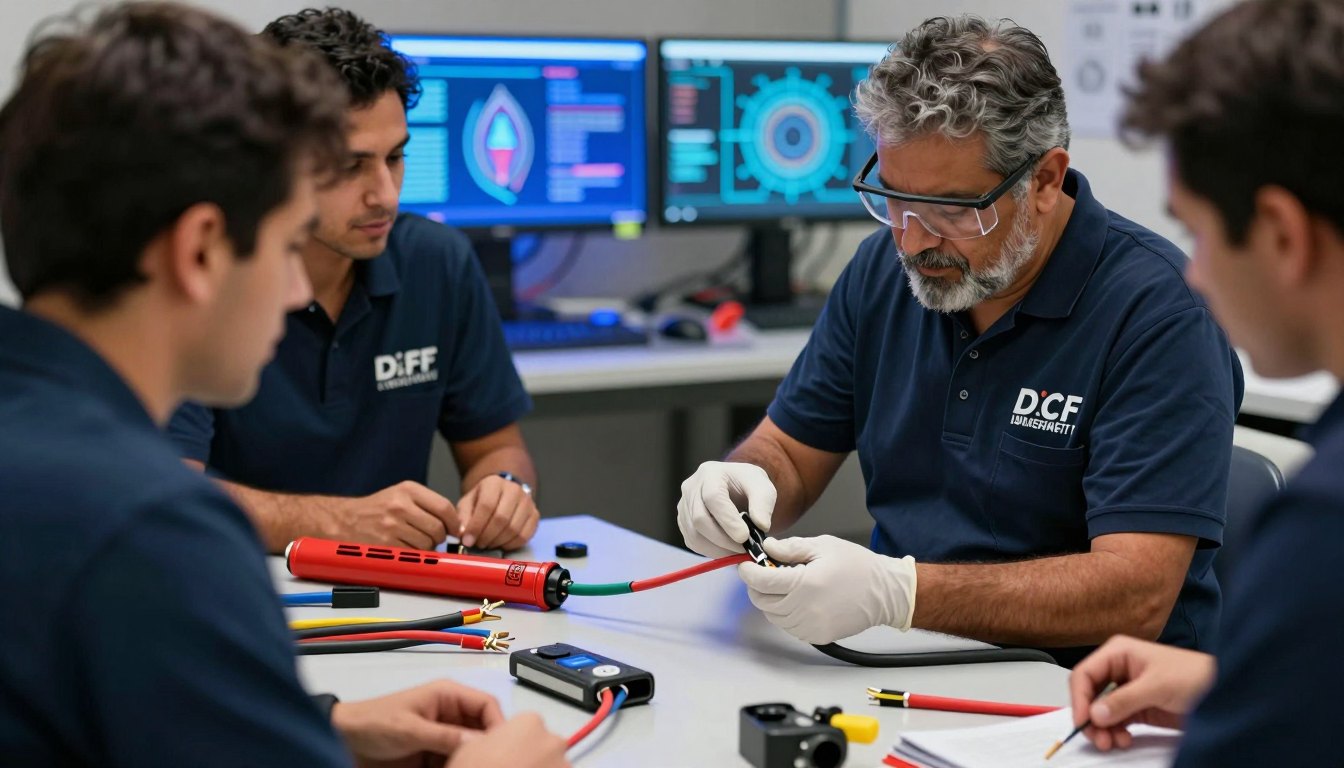
- Planning and Delivering Technical Training — session design, demonstration and coaching techniques
- Assessing Trainee Performance — assessment criteria, feedback and maintaining training standards
Who Should Attend
- Experienced HV cable jointers moving into instructor roles
- Utility and contractor training coordinators
- Senior jointing supervisors
- Technical trainers at approved training centers
- Quality leads responsible for jointing standards
Standards & Codes Referenced
- IEC 60502-4 (Test requirements on accessories for power cables, 6 kV to 30 kV)
- IEEE 48 (Test Procedures and Requirements for AC Cable Terminations)
- IEEE 404 (Extruded and Laminated Dielectric Shielded Cable Joints)
- OSHA 29 CFR 1910.269 (Electric Power Generation, Transmission, and Distribution)
- HSE HSG85 (Electricity at Work: Safe Working Practices)
Assessment & Certification
Competence is confirmed through a written examination on HV accessory technology, safety and training methodology and a practical assessment comprising a supervised trifurcating joint and a delivered and assessed training session. Practical sessions take place at ASEEE-approved training centers under the supervision of a qualified assessor.
Successful candidates receive the ASEEE competency certificate, which carries a unique ID that employers and clients can verify online through Certificate Check. Recertification is recommended every 3 years, supported by evidence of continued delivery and installation practice.