Program Overview
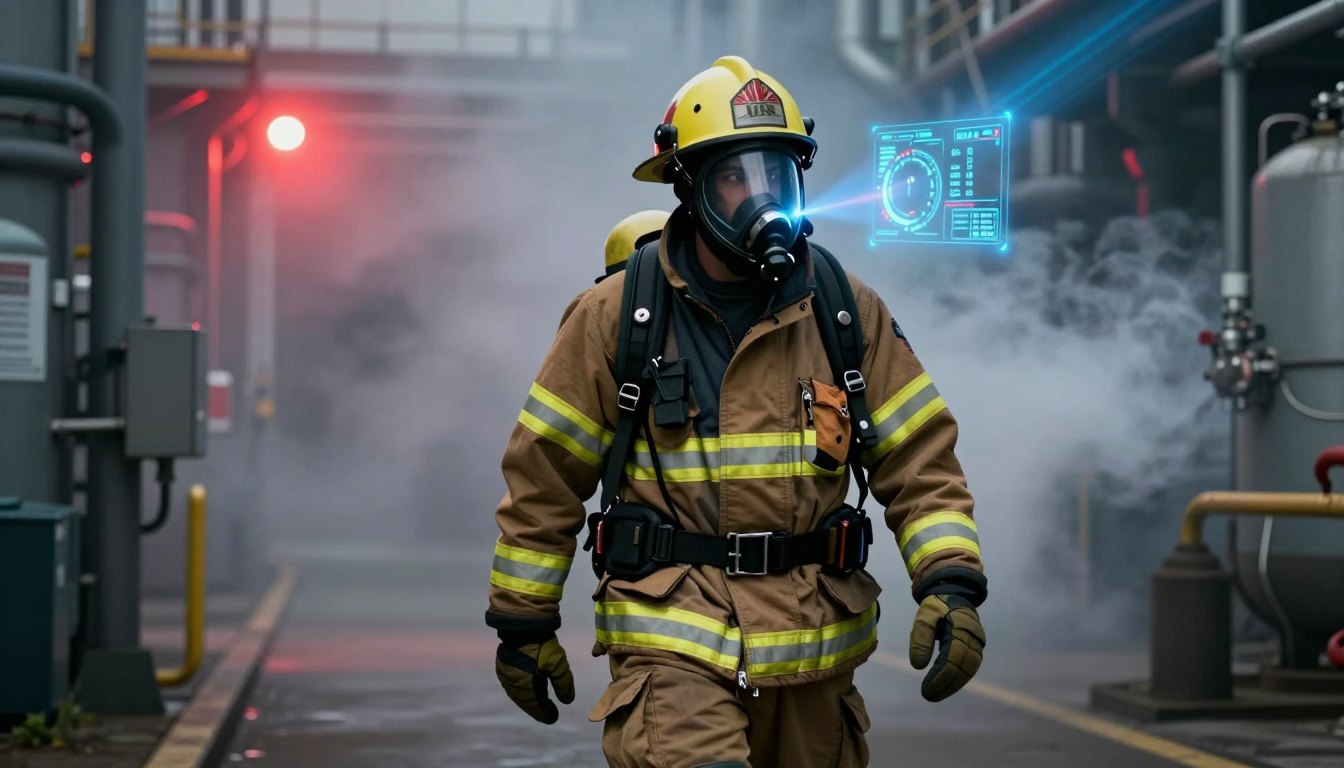
Self-contained breathing apparatus is the last barrier between a worker and an atmosphere that is immediately dangerous to life or health. Equipment that is poorly inspected, incorrectly filled or improperly worn can fail when it is needed most. This program authorizes participants to handle, use and maintain SCBA and BA sets with confidence and discipline.
Participants review respiratory hazards, exposure limits and OSHA respiratory protection requirements, then focus on approved respirators for IDLH conditions. Practical sessions cover breathing air quality, cylinder handling and refilling, donning and doffing, pre-use and periodic inspections, cleaning and disinfection, storage and minor repairs. Air consumption awareness and working-duration planning complete the program. Participants also learn the responsibilities of a BA control officer and how entry logs track personnel and remaining air.
Learning Outcomes
- Describe respiratory hazards, exposure terms and when SCBA is required
- Explain OSHA respiratory protection program requirements, including fit testing and training
- Don, operate and doff an SCBA correctly within a timed sequence
- Inspect SCBA sets and cylinders and complete inspection forms accurately
- Refill, clean, disinfect and store BA equipment following manufacturer procedures
- Estimate air consumption and working duration for planned entries
Program Modules
- Respirators: Introduction and History — evolution of respiratory protection and classes of respirators
- OSHA Health Hazards, Exposure Limits and SCBA Requirements — PELs, IDLH and respiratory protection program elements
- The Respiratory System and Respiratory Hazards — physiology, oxygen deficiency, toxic gases and particulates
- Approved Respirators for IDLH Atmospheres — SCBA, airline with escape and their use at the facility
- Breathing Air, Cylinders, Fogging and Nose Cups — air quality grade, cylinder care and visor performance
- Using and Inspecting an SCBA — donning, operation, pre-use checks, inspection forms and periodic maintenance
- Cleaning, Disinfecting, Storage and Repairs — hygiene procedures and limits of user maintenance
- Air Supply and Consumption Awareness — breathing rates, gauge reading, low-pressure warnings and exit planning
Who Should Attend
- Emergency response and rescue team members
- Operators and technicians entering confined spaces or H2S areas
- Safety officers and BA control officers
- Maintenance staff responsible for respiratory equipment
- Fire watch and standby personnel
Standards & Codes Referenced
- OSHA 29 CFR 1910.134 (Respiratory Protection)
- NFPA 1981 (Open-Circuit Self-Contained Breathing Apparatus for Emergency Services)
- NFPA 1852 (Selection, Care, and Maintenance of Open-Circuit SCBA)
- CGA G-7.1 (Commodity Specification for Air)
Assessment & Certification
Competence is confirmed through a written examination on respiratory hazards, regulatory requirements and equipment care and a practical assessment including timed donning, a working-duration exercise, a full SCBA inspection and cylinder handling. Practical sessions take place at ASEEE-approved training centers under the supervision of a qualified assessor.
Successful candidates receive the ASEEE competency certificate, which carries a unique ID that employers and clients can verify online through Certificate Check. Because respiratory protection skills fade quickly, annual refresher training is recommended, with full recertification every 2 years.