Program Overview
High voltage switching is a task with no margin for error. Operating the wrong breaker, earthing a live circuit or misreading a feeding arrangement can cause arc flash injuries, widespread outages and damage to plant. Organizations that own HV networks therefore authorize only operators who have demonstrated both system knowledge and disciplined switching practice.
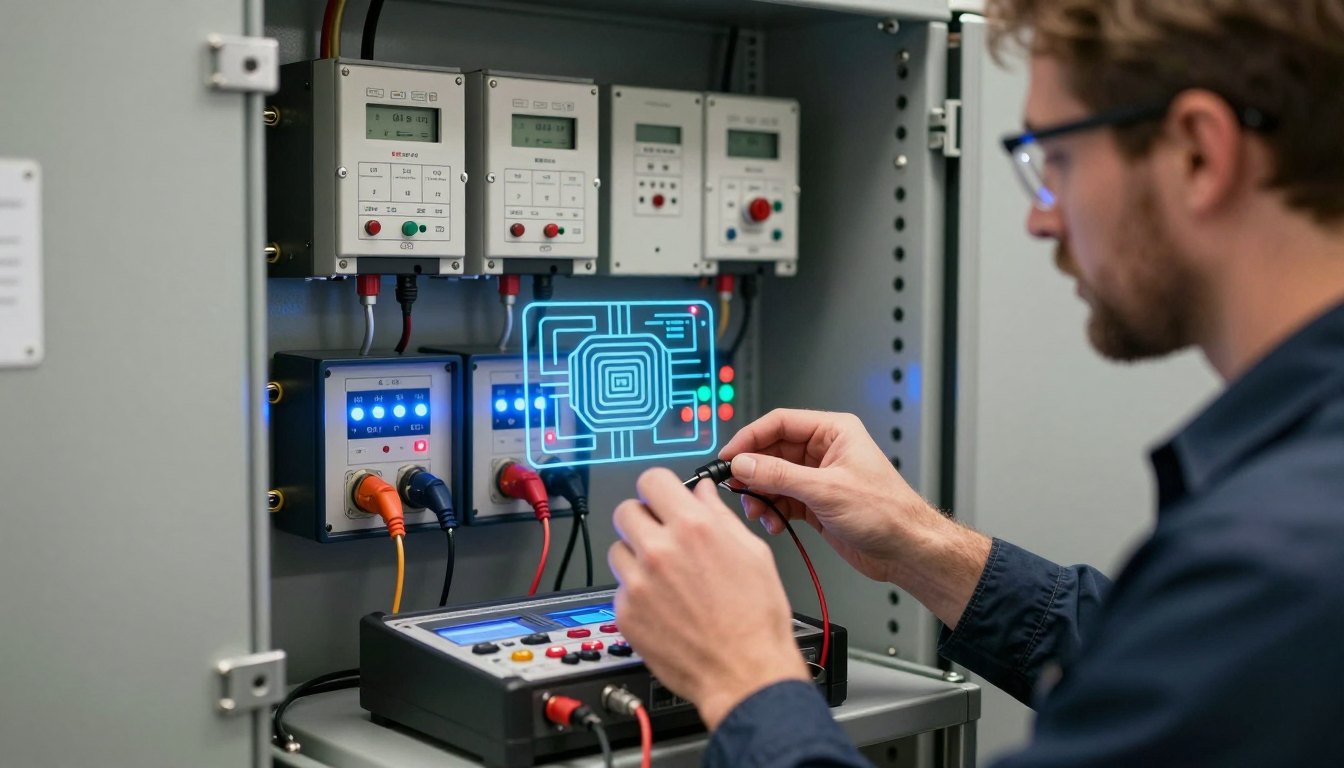
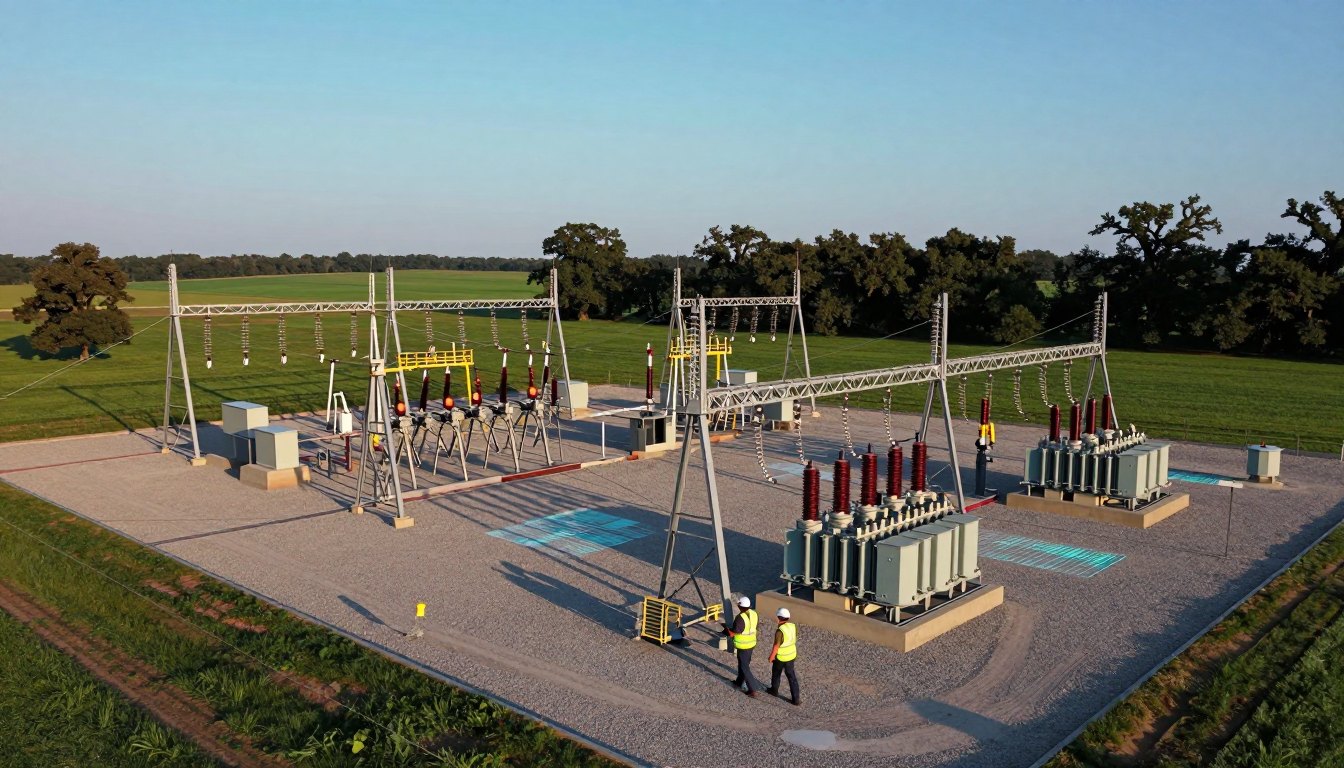
The HVEO program prepares experienced electrical personnel for that responsibility. Participants study the HV system as a whole, from the interface with the supply authority through switchgear, transformers and protection, then focus on the operator’s core duties: writing switching instructions, executing switching with clear communication, applying isolation and earthing, and managing the network safely under both normal and fault conditions.
Learning Outcomes
- Interpret HV schematic diagrams and identify feeding arrangements, normally open points and the supply authority interface
- Explain the function and operating limits of HV circuit breakers, switches, isolators, earth switches and transformers
- Write switching instructions that achieve safe isolation and earthing for planned work
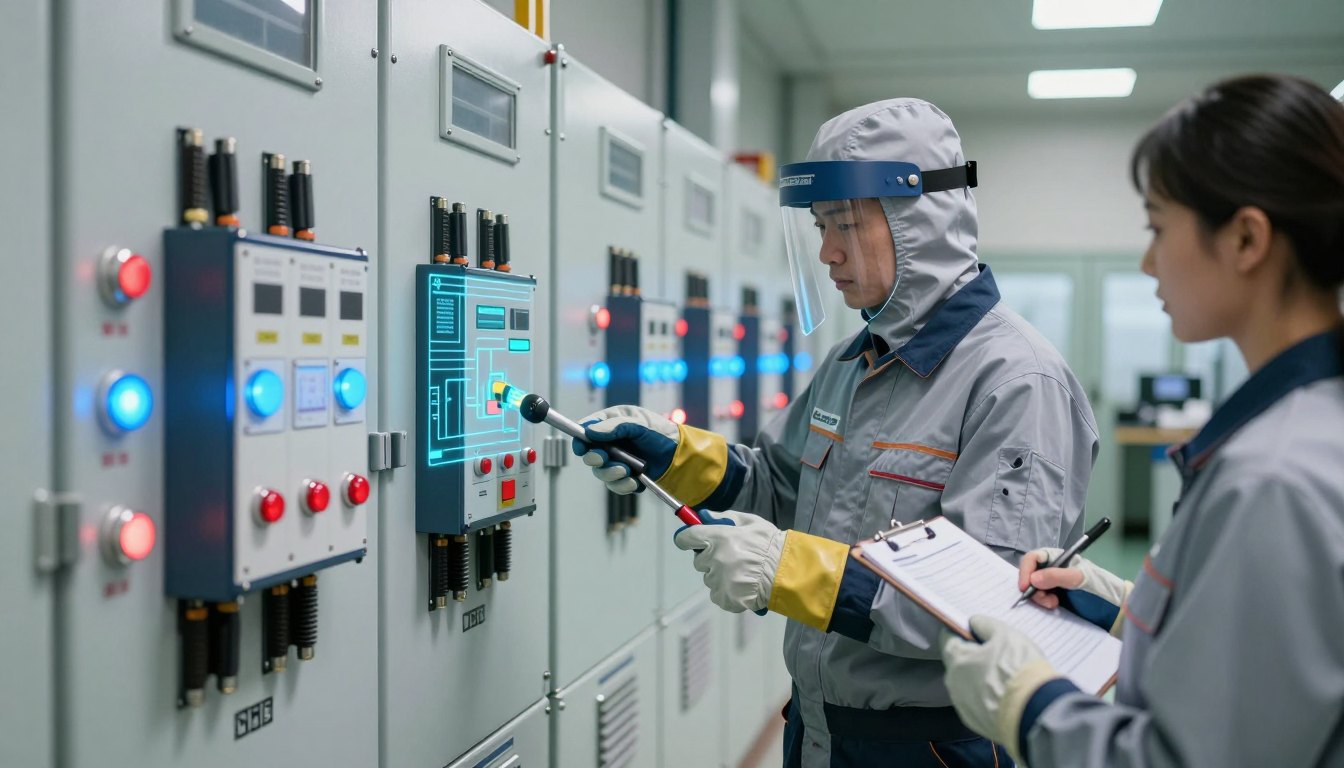
- Execute switching operations using formal communication protocols and correct PPE
- Identify electrical hazards including arc flash and specify appropriate risk controls
- Respond to protection operations and faults and restore supply in a controlled sequence
Program Modules
- Introduction to HV Safety and Awareness — the hazards of HV systems, safety rules and the authorized operator’s role
- Arc Flash Awareness and Switching Instruction Writing — incident energy, approach boundaries and structured switching programs
- Schematic Diagrams and System Feeding Arrangements — ring, radial and interconnected networks and the supply authority interface
- HV Switchgear and Transformers — circuit breakers, isolators, load break switches, earth switches and transformer operation
- System Protection and Associated Equipment — overcurrent, earth fault and differential protection, CTs, VTs and trip circuits
- Electrical Hazard Identification and PPE — risk assessment, arc-rated clothing and insulating equipment
- Switching and Communication Procedures — control room communication, repeat-back and live switching of equipment
- Fault Response and Protection Systems — interpreting relay flags, fault isolation and safe restoration
- System Management under Normal and Fault Conditions — load transfer, outage planning and records
Who Should Attend
- Electrical engineers and senior technicians seeking HV operator authorization
- Industrial plant and facility HV operators
- Utility switching personnel and control room staff
- Electrical supervisors responsible for HV permits to work
- Maintenance managers overseeing HV assets
Standards & Codes Referenced
- BS 7671 (Requirements for Electrical Installations, IET Wiring Regulations)
- IEC 60038 (IEC Standard Voltages)
- IEC 60840 (Power Cables with Extruded Insulation, Rated Voltages above 30 kV up to 150 kV)
- NFPA 70E (Standard for Electrical Safety in the Workplace)
Assessment & Certification
Assessment comprises a written examination on HV systems, protection and safety rules, a switching program writing exercise, and a practical switching assessment on training switchgear where candidates demonstrate isolation, proving dead and earthing with formal communication. Practical sessions take place at ASEEE-approved training centers.
Successful candidates are awarded the ASEEE competency certificate, issued with a unique certificate ID that employers and clients can verify online through Certificate Check. ASEEE recommends recertification every 3 years to keep competence aligned with current standards, equipment and site practice.