Program Overview
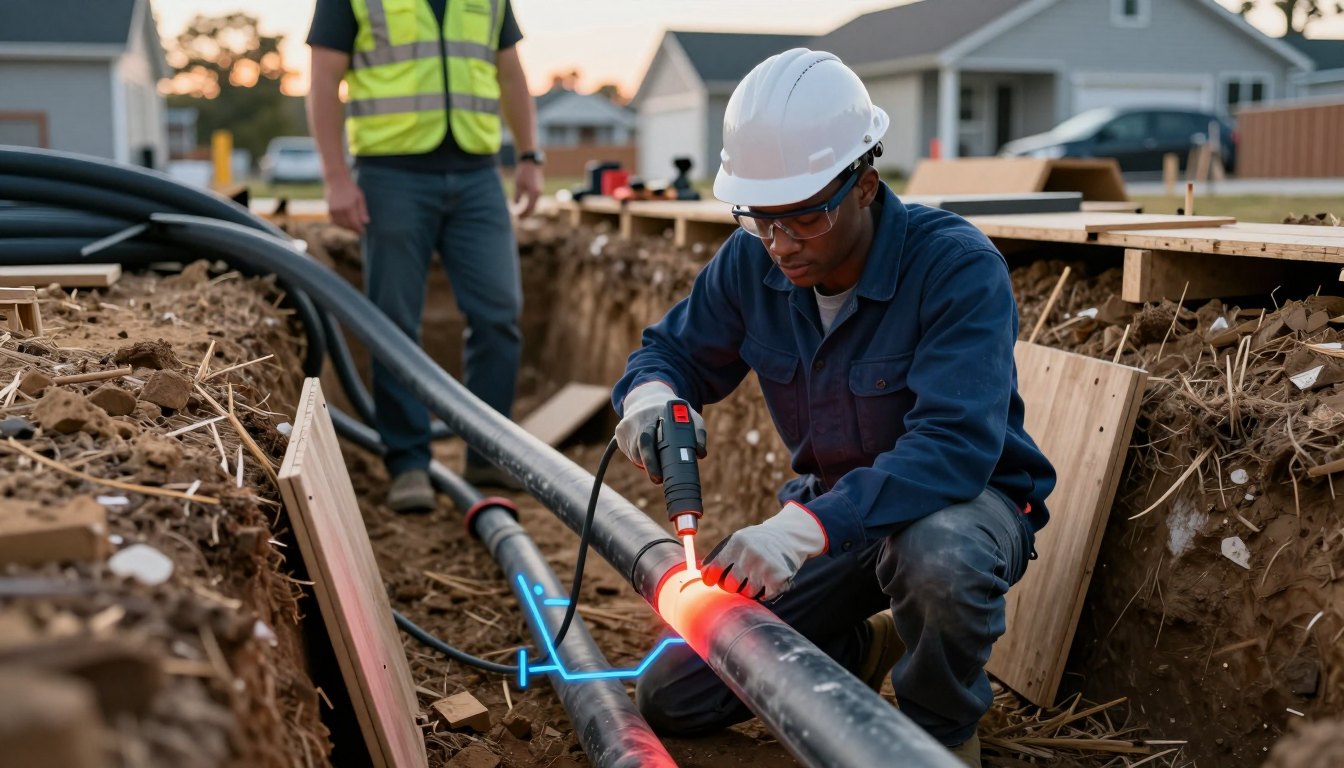
Most cable failures in service trace back to a single moment: the joint or termination made in the field. A stress cone placed a few millimeters off, a semiconductive screen cut with a nick, or moisture trapped under a sleeve will survive commissioning and fail months later under load. This program builds the hand skills and the electrical understanding needed to make connections that last for the life of the cable.
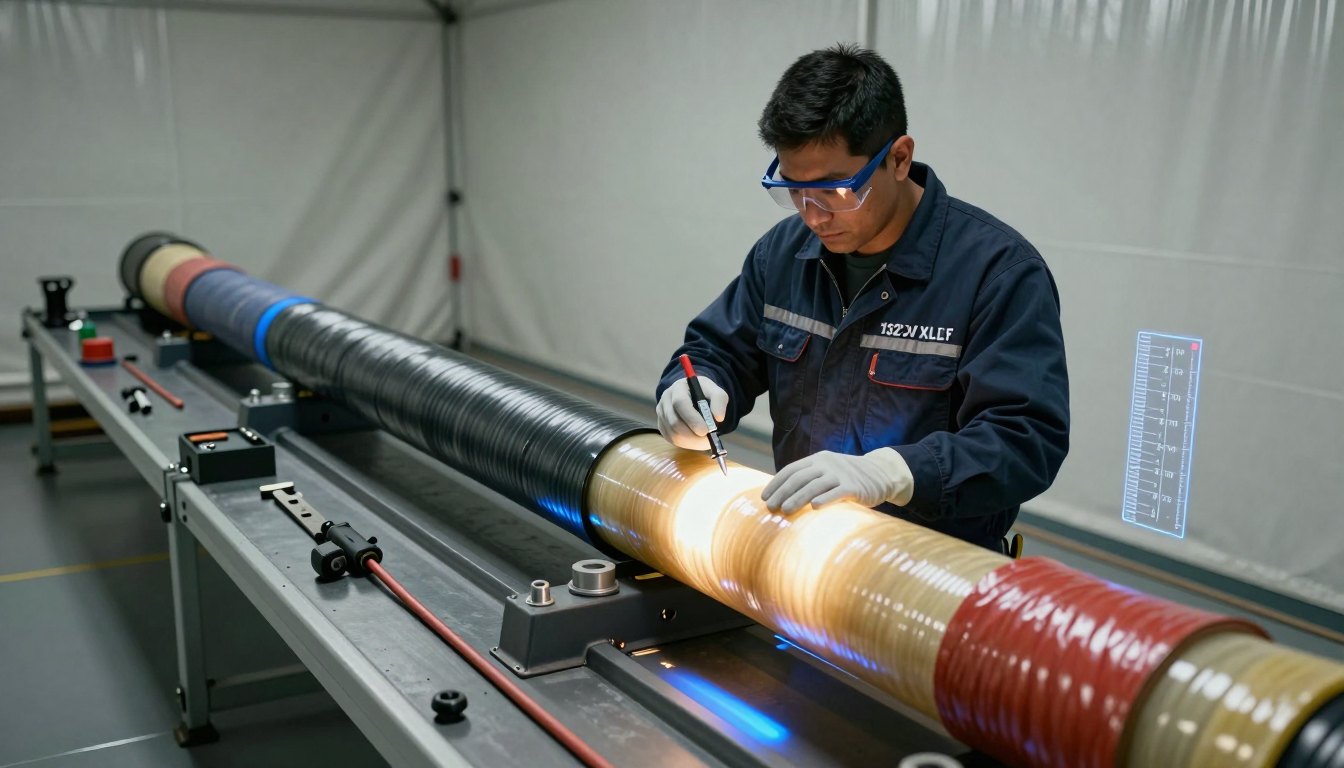
Participants work across the full voltage range, from low-voltage distribution cables to medium- and high-voltage XLPE and paper-insulated designs. The program covers cable construction, electric stress control, accessory selection and the correct use of jointing tools, then moves into supervised practical work on straight-through joints, transition joints and indoor and outdoor terminations. Every practical task finishes with insulation resistance testing so participants see the quality of their own work measured.
Learning Outcomes
- Identify the layers of LV, MV and HV power cables and explain the function of each in controlling electric stress
- Select the correct joint, termination or splice for a given cable type, voltage class and installation environment
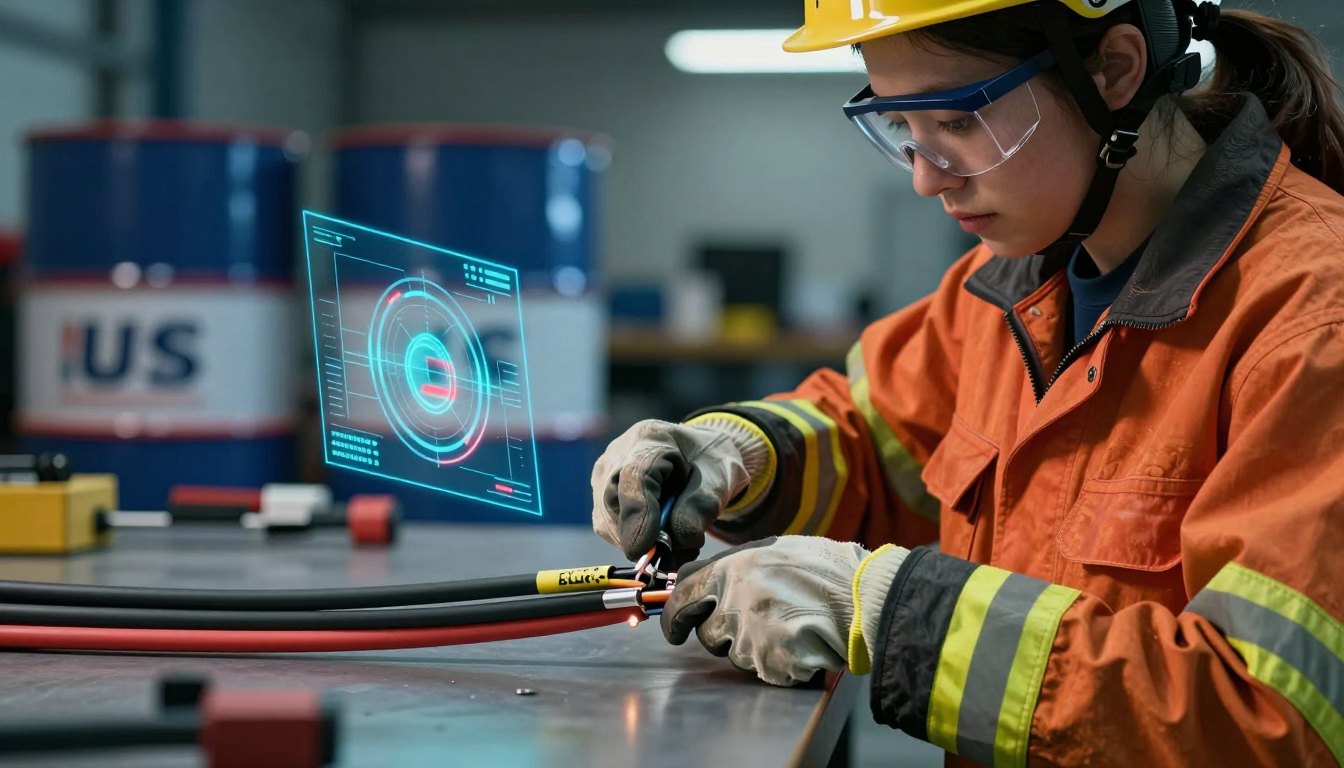
- Prepare cable ends to manufacturer dimensions, including screen removal, semicon cutback and conductor preparation
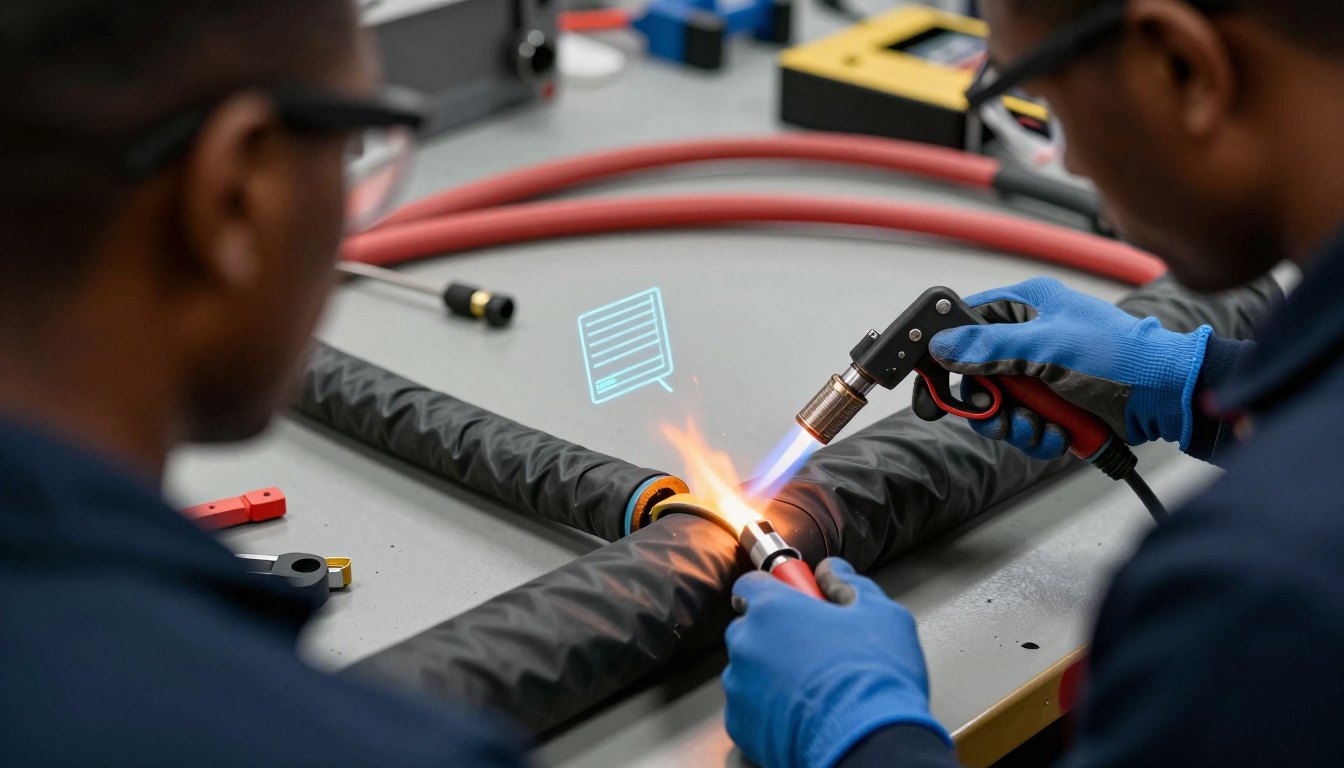
- Install heat shrink and cold shrink joints and terminations with correct crimp or shear-bolt connections
- Apply mechanical protection and sealing appropriate to direct-buried, ducted and indoor installations
- Perform insulation resistance testing and interpret results to confirm acceptable cable and accessory condition
- Apply safe working practices, isolation verification and PPE requirements before any cable is opened
Program Modules
- Occupational Health and Safety — isolation, proving dead, earthing of cables and safe handling of tools and heat sources
- Power Cable Constructions — conductors, insulation systems, semiconductive screens, metallic sheaths, armor and oversheaths
- Classification of Joints and Terminations — straight-through, transition, branch and stop joints; indoor, outdoor and separable terminations
- Mechanical Protection of Joints and Terminations — shells, resin fills, armor continuity and protection against water ingress
- Tools and Machines for Splicing, Jointing and Termination — cable cutters, screen and insulation strippers, crimping and shear-bolt tooling
- Cable Termination Preparation — cutback dimensions, stress control, cleaning procedures and lug installation
- Practical: Cable Splicing and Termination — supervised installation of heat shrink and cold shrink terminations on MV cable
- Cable Jointing Preparation — cable alignment, overlap, connector selection and preparation of the jointing area
- Practical: Cable Jointing — complete straight-through and transition joints from cable preparation to final seal
- Testing of MV Cable Insulation and Cable Faults — insulation resistance testing, sheath integrity checks and introduction to fault location
Who Should Attend
- Cable jointers and electrical technicians working on distribution networks
- Utility and industrial maintenance electricians
- Electrical supervisors responsible for cable installation quality
- Commissioning engineers who witness cable testing
- Contractors preparing for jointing work on utility and plant projects
Standards & Codes Referenced
- IEEE Std 404 (Cable Joints for Extruded and Laminated Dielectric Shielded Cables)
- IEC 60684 (Flexible Insulating Sleeving)
- AS/NZS 1026 (Impregnated Paper Insulated Electric Cables)
- AS/NZS 1125 (Conductors in Insulated Electric Cables)
- AS/NZS 1429.1 (Polymeric Insulated Cables, 1.9/3.3 kV to 19/33 kV)
- AS/NZS 1660 (Test Methods for Electric Cables)
Assessment & Certification
Assessment combines a written examination on cable construction, stress control and accessory selection with a practical test in which each candidate completes and tests a joint and a termination against the accessory manufacturer’s instructions. Practical sessions take place at ASEEE-approved training centers.
Successful candidates are awarded the ASEEE competency certificate, issued with a unique certificate ID that employers and clients can verify online through Certificate Check. ASEEE recommends recertification every 3 years to keep competence aligned with current standards, equipment and site practice.