Program Overview
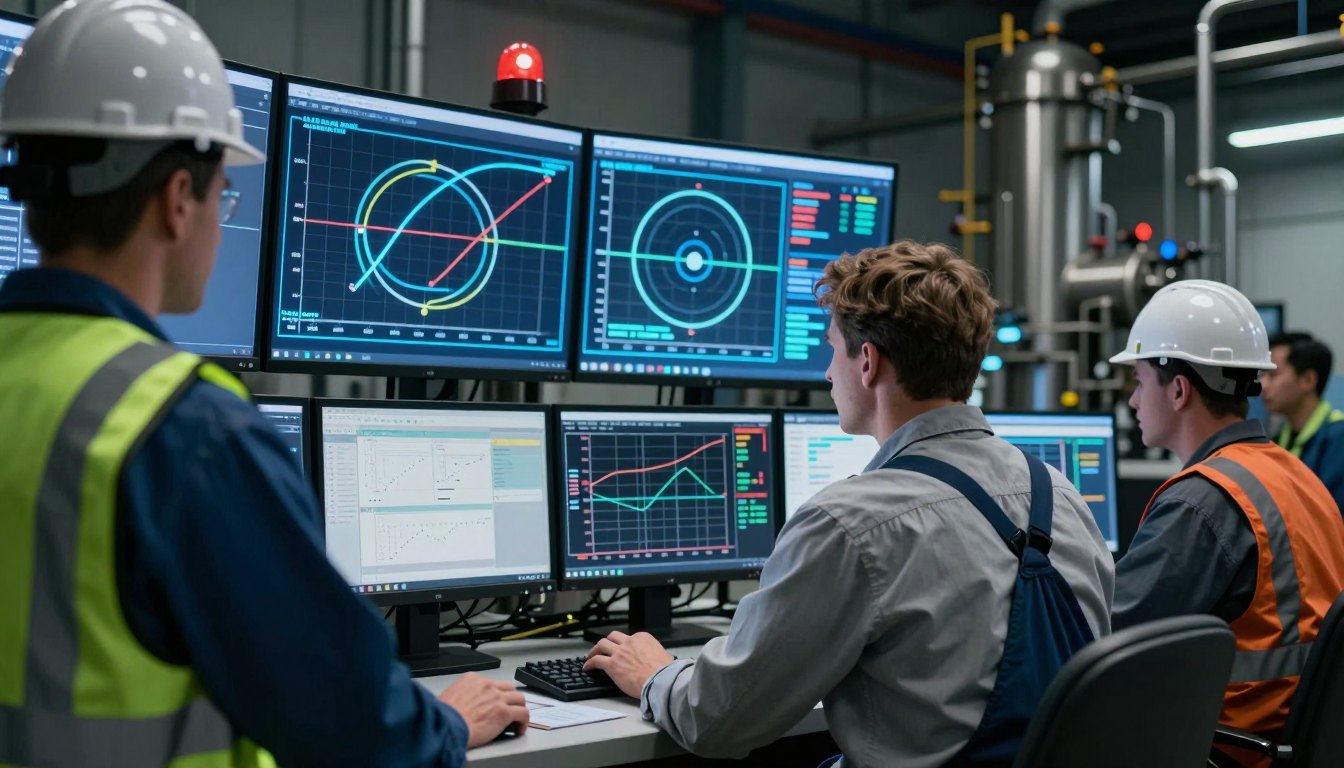
A control loop is only as good as its measurement. A drifting transmitter or a poorly tuned controller will push a process off target even when every other component is sound. Technicians who can calibrate instruments properly and judge controller performance are central to plant efficiency, product quality and safety.
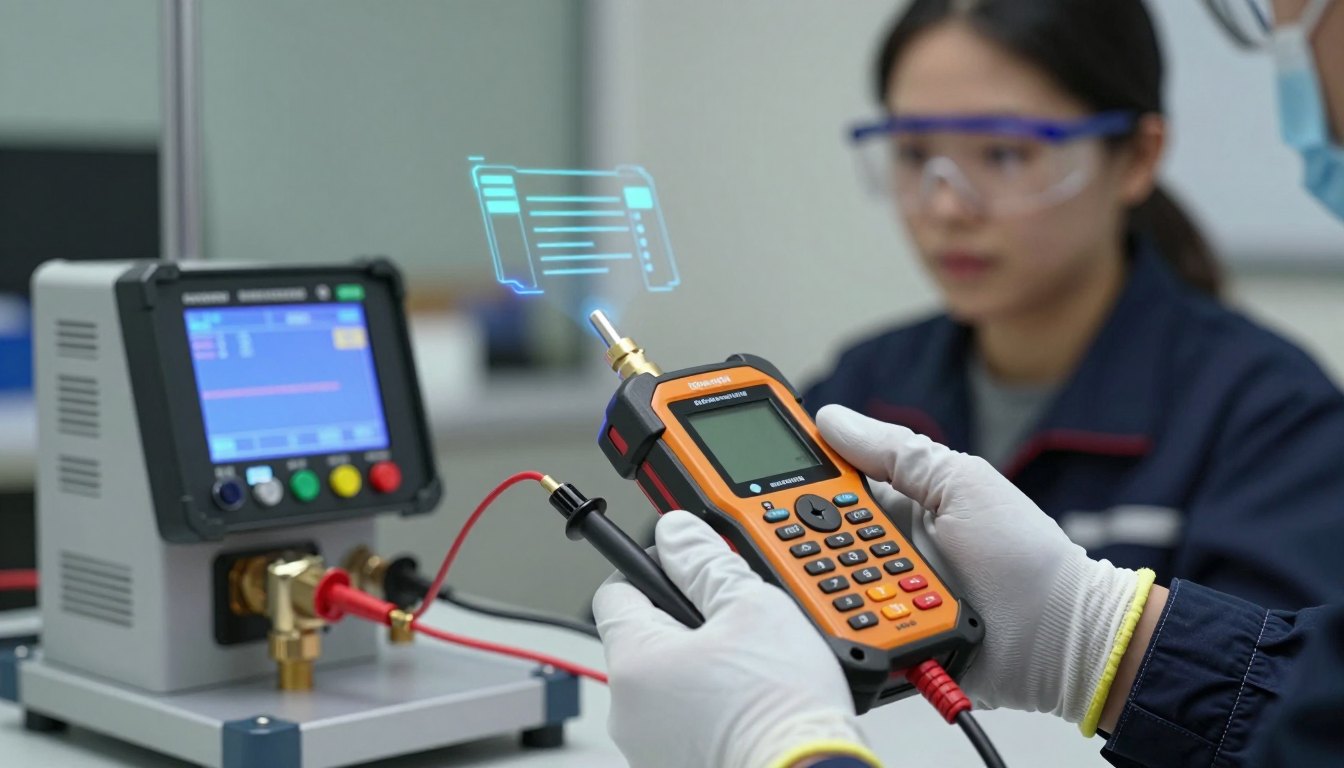
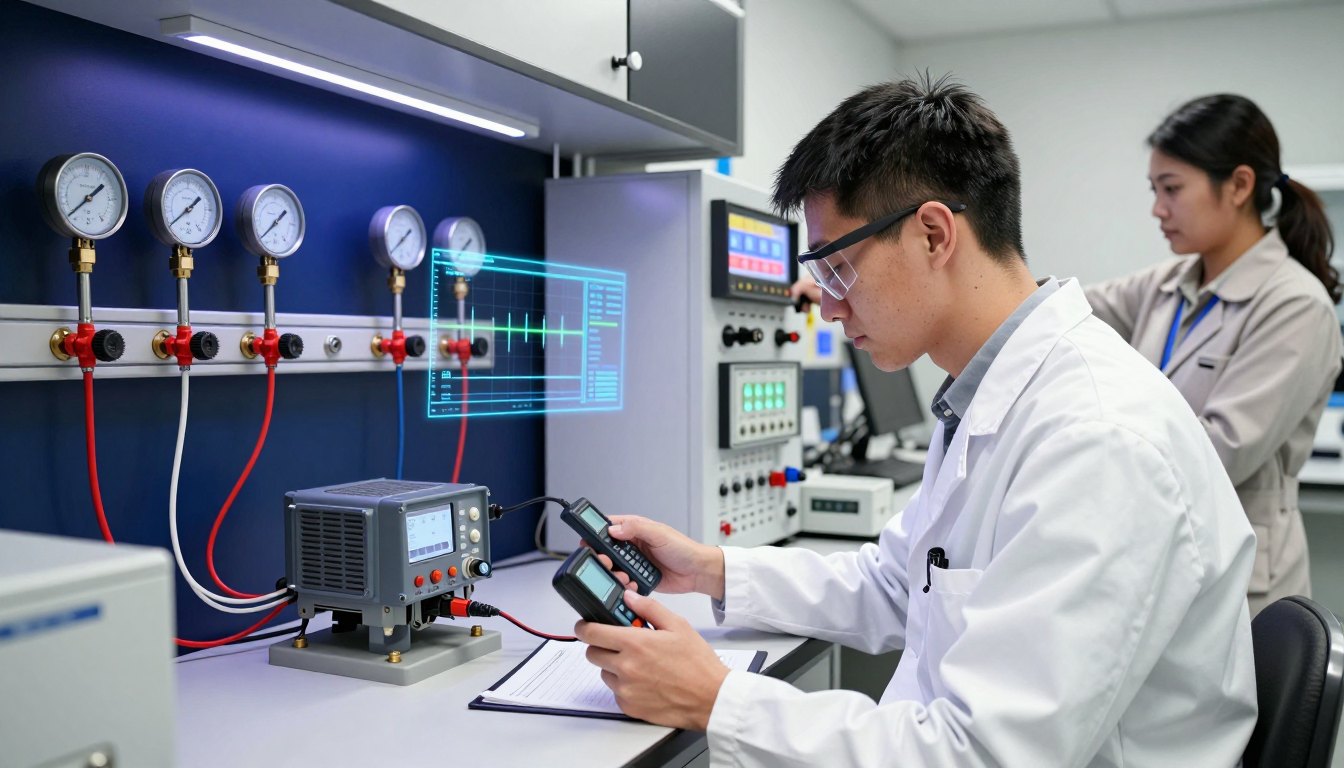
This program develops the fundamental principles of industrial control instrumentation through hands-on work. Participants connect, commission and calibrate 4–20 mA loop devices, temperature transmitters and HART instruments, along with pressure switches, DP cells, ultrasonic level meters, load cell amplifiers and I/P converters. They then configure electronic controllers, explore the role of proportional, integral and derivative action, and tune loops manually. Calibration practice is framed within ISO/IEC 17025 and ISO/IEC 17020 quality requirements.
Learning Outcomes
- Identify the safety implications of working on closed-loop control systems and apply safe work practices
- Explain the operating principles of temperature, pressure, level and flow measurement equipment
- Connect, commission and calibrate 4–20 mA and HART transmitters and record as-found and as-left data
- Calibrate pressure switches, DP cells, ultrasonic level meters, load cell amplifiers and I/P converters
- Configure industrial electronic controllers and explain the effect of proportional, integral and derivative terms
- Tune controllers manually, judge when a loop is correctly tuned and fault-find control loop problems
Program Modules
- Safety in Closed-Loop Control Systems — hazards of working on live loops and bypass and override controls
- Measurement Equipment — temperature, pressure, level and flow measurement principles
- Current Loop and HART Devices — connecting, commissioning and calibrating loop-powered and HART transmitters
- Temperature Transmitters — RTD and thermocouple inputs, ranging and calibration
- Switches, Sensors and Converters — pressure switches, DP cells, ultrasonic level meters, load cell amplifiers and I/P converters
- PID Control Fundamentals — the three terms and their effect on process response
- Controller Identification and Configuration — reading controller capabilities from markings and configuring industry-standard units
- Manual Controller Tuning — tuning methods and criteria for a correctly tuned loop
- Calibration, Fault Finding and Inspection — calibration records, traceability and systematic troubleshooting
Who Should Attend
- Instrument and control technicians
- Calibration technicians and laboratory staff
- Process plant maintenance technicians
- Electrical technicians cross-training into instrumentation
- Inspection personnel who verify instrument calibration
Standards & Codes Referenced
- ISO 9001 (Quality Management Systems)
- ISO/IEC 17025 (Competence of Testing and Calibration Laboratories)
- ISO/IEC 17020 (Requirements for Bodies Performing Inspection)
Assessment & Certification
Candidates complete a written examination on measurement principles, calibration practice and PID control and a practical assessment in which they calibrate a HART transmitter, configure a controller and tune a live training loop to stable performance. Practical sessions take place at ASEEE-approved training centers.
Successful candidates are awarded the ASEEE competency certificate, issued with a unique certificate ID that employers and clients can verify online through Certificate Check. ASEEE recommends recertification every 3 years to keep competence aligned with current standards, equipment and site practice.