Program Overview
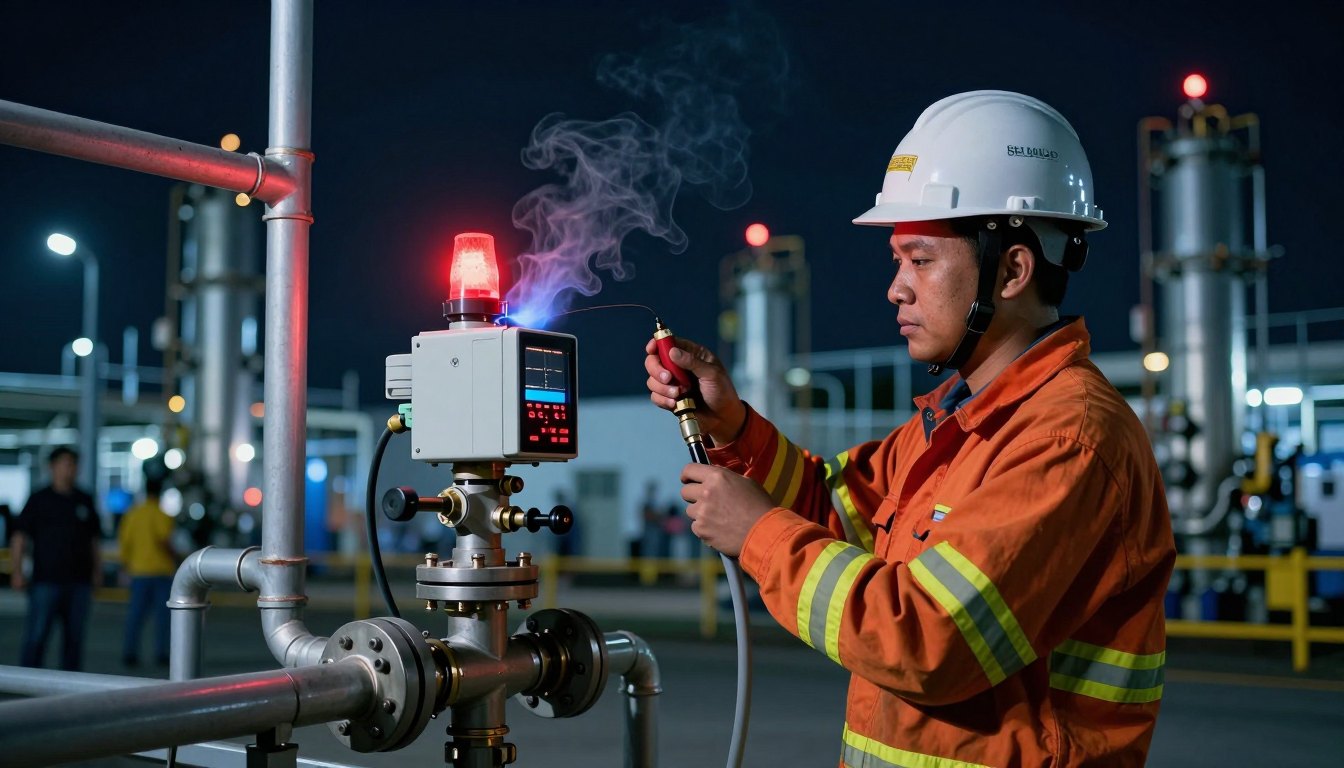
A fire and gas detection system is only as good as its ability to see the hazard it was installed for. Detectors placed by habit or by rules of thumb can leave critical release points unmonitored. This program teaches engineers and technicians how FGDS are specified, laid out and verified so that detection performance is matched to actual risk.
Participants study detector technologies, including point and open-path flammable gas, electrochemical toxic gas, flame, smoke and heat detection, and learn the performance requirements that govern their selection. The program then compares traditional prescriptive placement with performance-based methods: geographic and scenario coverage mapping, detector coverage assessment and effectiveness targets. Relevant NFPA codes provide the US regulatory context, with ISA-TR84.00.07 guiding performance-based design.
Learning Outcomes
- Explain the objectives and principles of fire and gas detection in process and building facilities
- Select appropriate flame, smoke, heat, flammable gas and toxic gas detectors for defined hazards
- Define FGDS performance requirements, including set points, voting and response actions
- Compare prescriptive placement rules with performance-based coverage methods
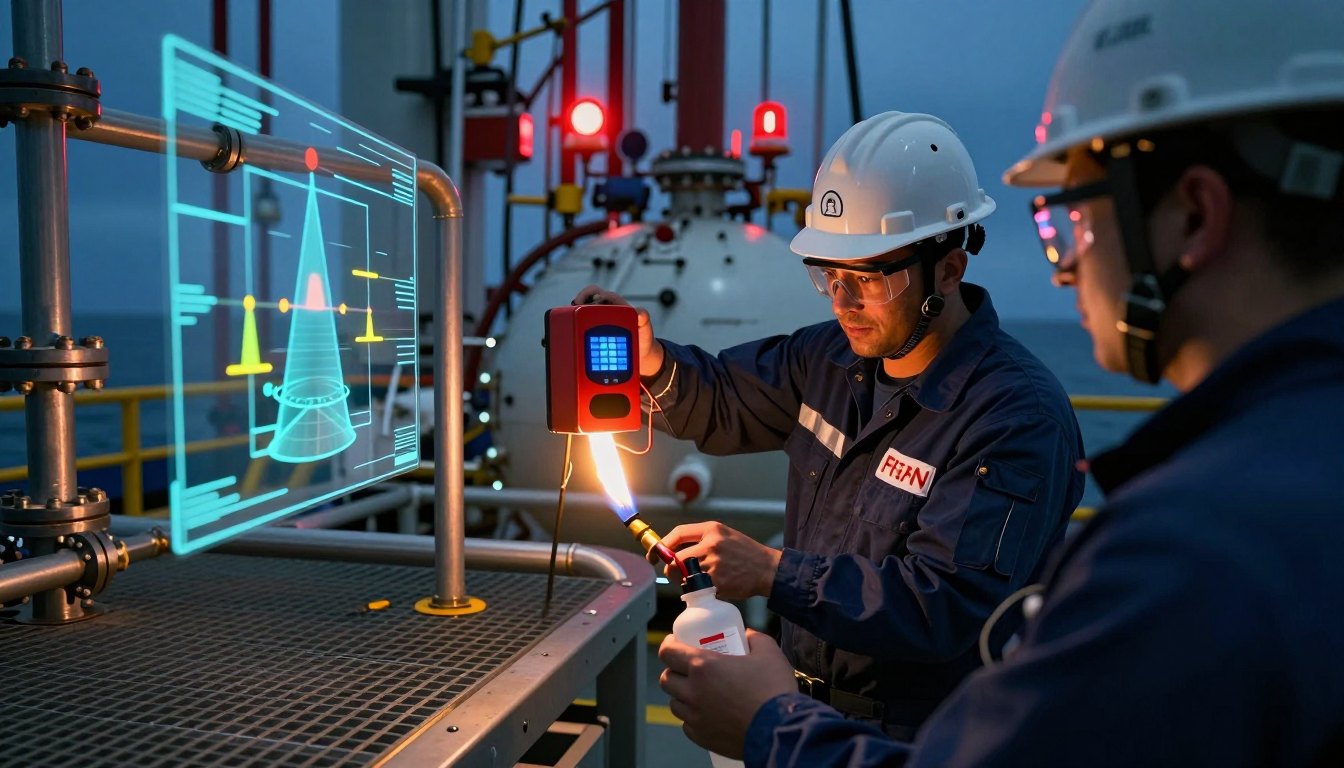
- Perform a geographic coverage assessment and optimize a detector layout
- Evaluate FGDS effectiveness and document design basis and coverage results
Program Modules
- Principles and Objectives of FGDS — detection goals, alarm philosophy and the role of FGDS among protection layers
- Detector Types and Technologies — flame, flammable gas, toxic gas, open-path and acoustic detection
- Smoke and Heat Detectors — spot, beam and aspirating smoke detection and fixed and rate-of-rise heat detection
- Performance Requirements — sensitivity, response time, set points, voting and reliability
- Standards Governing Fire and Gas Detection — NFPA 72, NFPA 70 and related NFPA codes, plus ISA-TR84.00.07
- Prescriptive Detector Placement — traditional spacing rules and their strengths and limitations
- Detection Effectiveness and Coverage Assessment — geographic and scenario coverage targets and detector mapping
- Optimized Layouts and FGDS Specification — iterating detector locations and finalizing the design basis
Who Should Attend
- Fire and gas system engineers and designers
- Process safety and loss prevention engineers
- Instrument and control engineers
- Fire protection technicians and supervisors
- HSE professionals in oil, gas and chemical facilities
Standards & Codes Referenced
- NFPA 72 (National Fire Alarm and Signaling Code)
- NFPA 1 (Fire Code)
- NFPA 10 (Portable Fire Extinguishers)
- NFPA 12, NFPA 13 and NFPA 15 (Fixed suppression systems)
- NFPA 20, NFPA 24 and NFPA 25 (Fire pumps, private fire service mains, water-based system ITM)
- NFPA 30 (Flammable and Combustible Liquids Code)
- NFPA 70 (National Electrical Code)
- ISA-TR84.00.07 (Guidance on the Evaluation of Fire, Combustible Gas and Toxic Gas System Effectiveness)
Assessment & Certification
Competence is confirmed through a written examination on detection principles, performance criteria and applicable codes and a practical assessment in which participants configure detectors and carry out a coverage mapping exercise on a facility layout. Practical sessions take place at ASEEE-approved training centers under the supervision of a qualified assessor.
Successful candidates receive the ASEEE competency certificate, which carries a unique ID that employers and clients can verify online through Certificate Check. Recertification is recommended every 3 years.