
Program Overview
In refineries, gas plants, chemical facilities and fuel terminals, a single uncontrolled spark can ignite a flammable atmosphere. Explosion protection is the engineering discipline that prevents that ignition, and it depends on every person who selects, installs or inspects electrical equipment understanding exactly why each protection concept works and how it can be defeated.
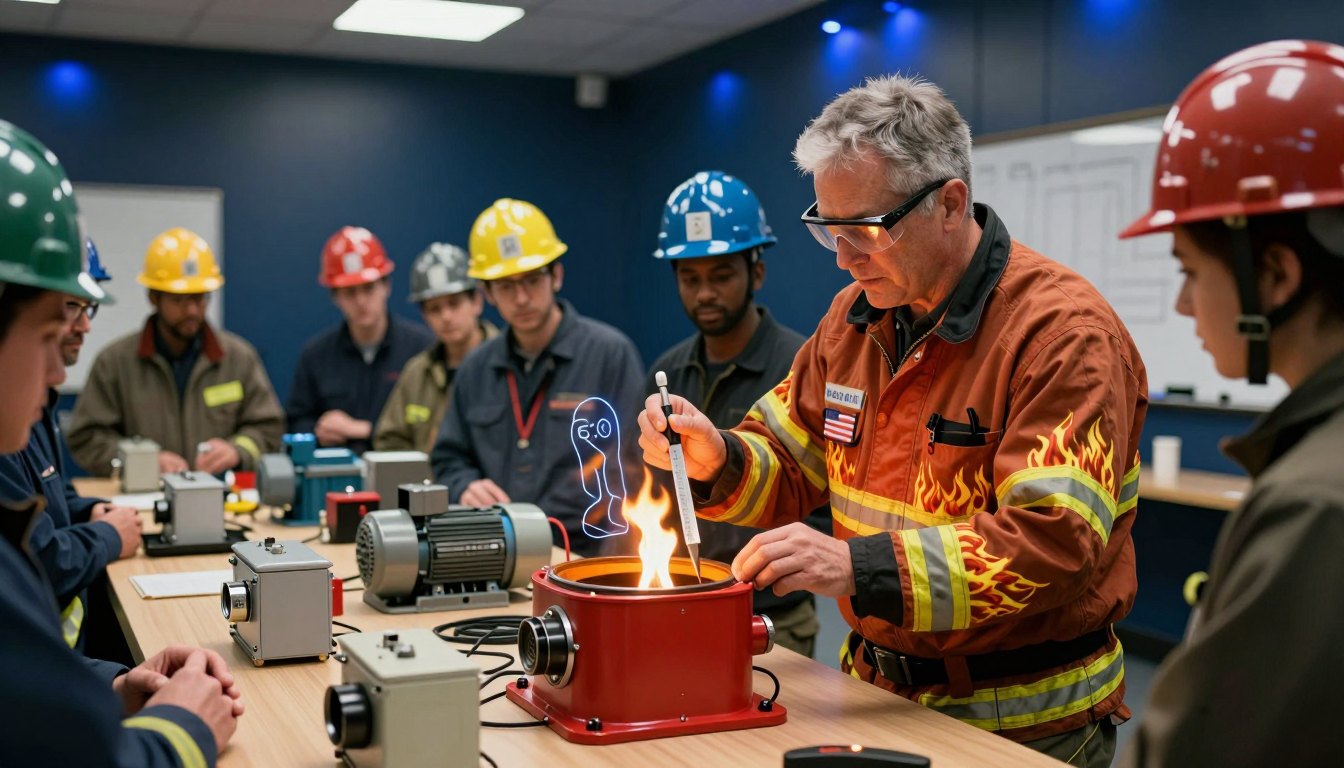
EX1 is the entry point to ASEEE’s hazardous area pathway. It builds a solid foundation in explosion theory, gas and dust properties and area classification, then works through every major type of protection from flameproof enclosures to intrinsic safety. The second half of the program is applied: participants install Ex equipment and wiring systems and carry out visual and close inspections aligned with the IECEx units Ex 003 and Ex 007.
Learning Outcomes
- Explain the fire triangle, explosion limits, flash point, ignition temperature and their role in area classification
- Interpret zone classifications, gas groups and temperature classes and match them to equipment protection levels
- Describe the operating principle and limitations of Ex d, Ex e, Ex p, Ex q, Ex o, Ex i, Ex m, Ex n and Ex s protection
- Read and verify Ex equipment marking and certification, including conditions of use for certified apparatus
- Install Ex equipment, cable glands and wiring systems, including earthing and bonding, in accordance with IEC 60079-14
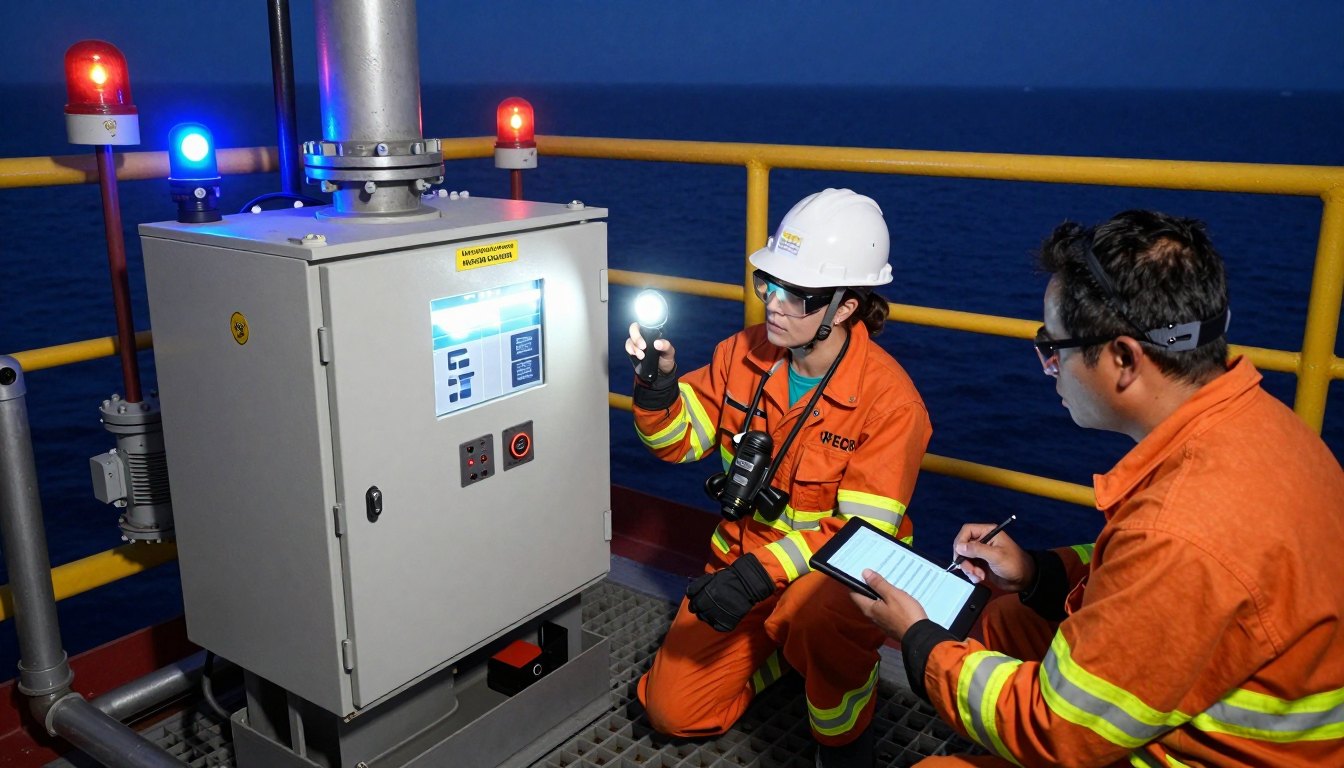
- Carry out visual and close inspections and record defects in accordance with IEC 60079-17
Program Modules
- Classification of Hazardous Zones — Zones 0, 1, 2 and 20, 21, 22, sources of release and ventilation
- Basic Principles of Protection in Explosive Atmospheres — removing the fuel, the oxidant or the ignition source
- Explosion Theory and Properties of Gases, Liquids and Solvents — combustion chemistry, vapor behavior and dust clouds
- Flammability Parameters — flash point, autoignition temperature, LEL/UEL, vapor density, gas groups and temperature classes
- Ignition Sources — electrical arcs, frictional sparks, hot surfaces and static electricity
- Methods of Protection — Ex d, Ex e, Ex p, Ex q, Ex o, Ex ia/ib/ic, Ex m, Ex n and Ex s compared
- Certification and Marking of Ex Equipment — marking strings, certificate conditions, intrinsically safe loop verification, earthing and bonding
- Ex Motors, Gas Detection and Permit to Work — Ex d, Ex e, Ex n and Ex p motors with protective devices, gas detectors and PTW controls
- Installing Explosion-Protected Equipment and Wiring Systems (Ex 003) — glands, cable entries, conduit seals and termination practices
- Visual and Close Inspection of Ex Installations (Ex 007) — inspection grades, checklists and defect reporting
Who Should Attend
- Electrical and instrument technicians working in oil, gas and petrochemical facilities
- Maintenance planners and supervisors for classified areas
- Design and project engineers specifying Ex equipment
- HSE professionals involved in permit-to-work systems
- New entrants preparing for advanced Ex inspection and maintenance roles
Standards & Codes Referenced
- IEC 60079-0 (Explosive Atmospheres: General Requirements)
- IEC 60079-10-1 (Classification of Areas: Explosive Gas Atmospheres)
- IEC 60079-14 (Electrical Installations Design, Selection and Erection)
- IEC 60079-17 (Electrical Installations Inspection and Maintenance)
- ISO 16852:2016 (Flame Arresters)
- IEC 61241-0, -1, -4, -11, -18 (Equipment for Use with Combustible Dust)
- IEC 61779 (Flammable Gas Detection Apparatus)
- IEC 62013-1 and -2 (Caplights for Use in Mines Susceptible to Firedamp)
Assessment & Certification
Candidates complete a written examination covering area classification, protection concepts and marking, followed by a practical assessment in which they install an Ex e or Ex d termination and carry out a close inspection using a standard checklist. Practical sessions take place at ASEEE-approved training centers.
Successful candidates are awarded the ASEEE competency certificate, issued with a unique certificate ID that employers and clients can verify online through Certificate Check. ASEEE recommends recertification every 3 years to keep competence aligned with current standards, equipment and site practice.