Program Overview
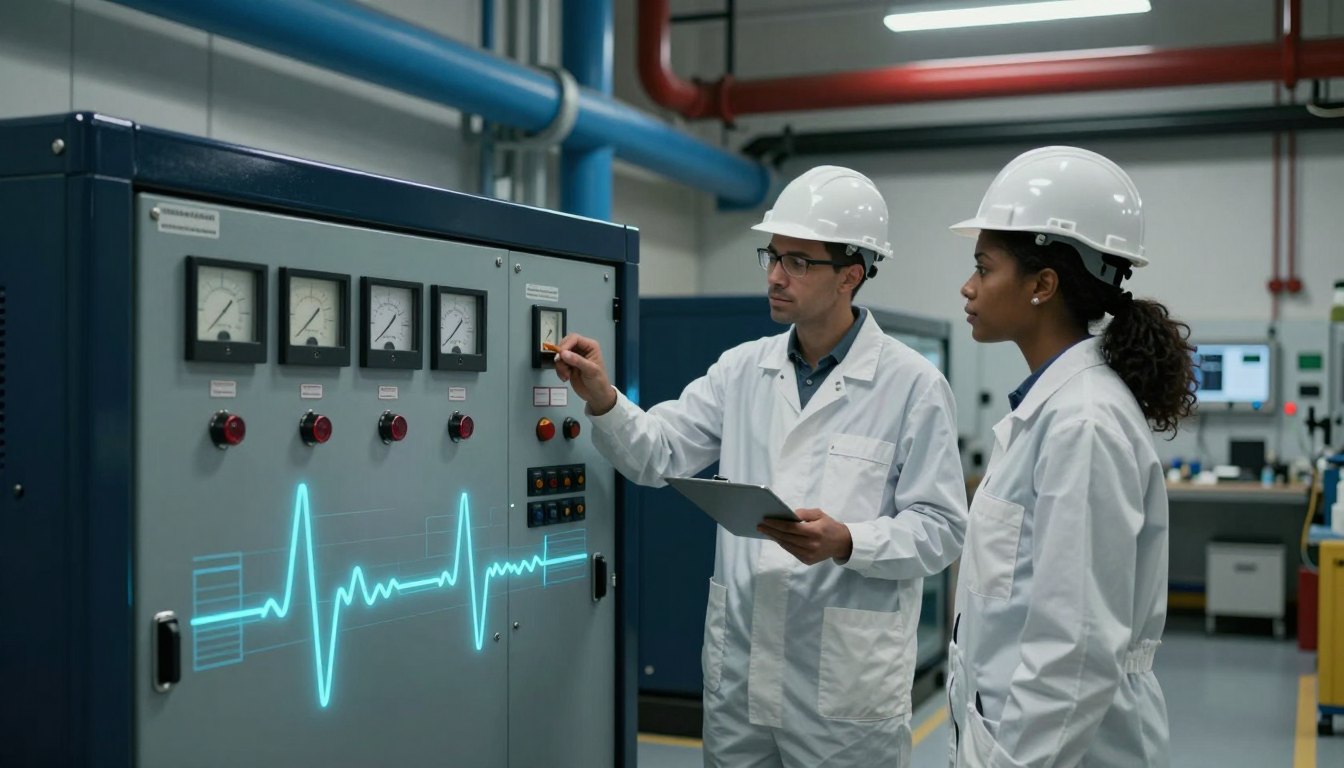
Protection systems spend most of their life doing nothing, then must operate correctly within milliseconds. Modern numerical relays implement that behavior through configurable logic: protection elements, timers and gates combined to trip, block or alarm. A protection engineer who cannot read and test that logic cannot be sure a relay will do what the settings sheet claims.
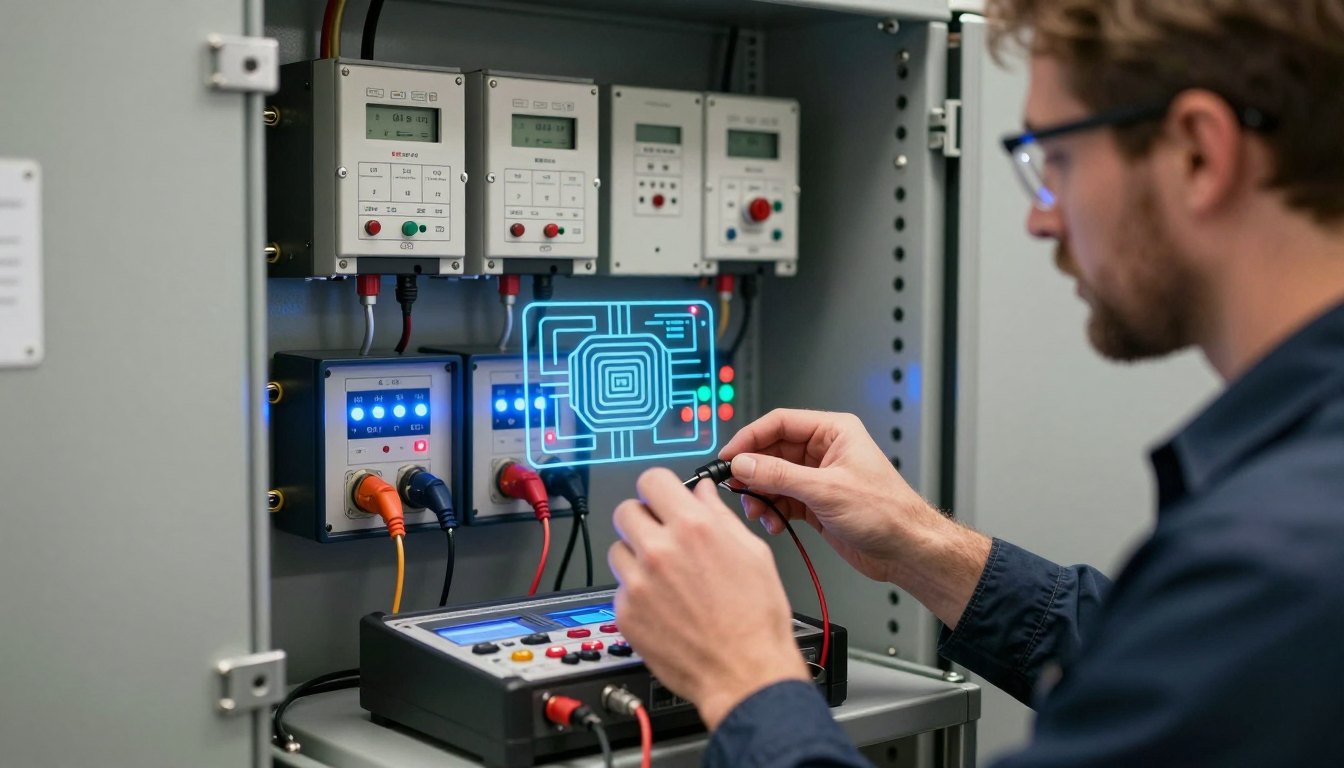
This program starts from the foundations of relay logic, including logic gates, order of operations and truth tables, and applies them to real protection functions such as overcurrent, earth fault, breaker failure and interlocking. Participants then test relays with secondary injection equipment, verify pickup, timing and logic, and document results. The course references IEC 60255 relay requirements, IEEE C37 protection practice and IEC 61850 GOOSE messaging, and applies NFPA 70E controls to testing in energized substations. The result is a technician who can prove, not assume, that a scheme will trip when it must and stay stable when it should.
Learning Outcomes
- Explain the architecture of numerical protective relays and their logic engines
- Apply logic gates, order of operations and truth tables to protection and control schemes
- Interpret relay logic diagrams and settings files for common protection functions
- Plan and perform secondary injection tests to verify pickup, timing and logic
- Verify trip and interlock logic, including IEC 61850 GOOSE-based schemes
- Document test results and identify setting or wiring errors
Program Modules
- Introduction to Protective Relay Logic — relay architecture, protection elements, timers and outputs
- Logic Gates — AND, OR, NOT, XOR, latches and timers as used in relay programming
- Logic Order of Operations — evaluation sequence, Boolean precedence and avoiding unintended operation
- Truth Tables — building and checking truth tables to verify scheme behavior before testing
- Applications of Logic in Protective Relays — overcurrent, earth fault, breaker failure, auto-reclose and interlocking schemes
- Secondary Injection Testing — test set connection, pickup and timing tests and logic verification
- Test Documentation and Safety — test records, IEC 61850 considerations and safe working in live substations
Who Should Attend
- Protection and control engineers
- Relay test technicians
- Substation commissioning engineers
- Utility and industrial maintenance engineers
- Electrical engineers moving into protection roles
Standards & Codes Referenced
- IEC 60255
- IEEE C37 series
- IEEE C37.2
- IEC 61850
- NFPA 70E
Assessment & Certification
Assessment combines a written examination on relay logic, protection functions and test methods with a practical assessment in which each participant analyzes a relay logic scheme, builds its truth table and verifies it on a numerical relay using a secondary injection test set. Practical sessions take place at ASEEE-approved training centers, using calibrated equipment and realistic work scenarios under the supervision of a qualified assessor.
Participants who meet the competency criteria receive an ASEEE competency certificate carrying a unique certificate ID that employers and clients can verify online through Certificate Check. ASEEE recommends recertification every 3 years to keep skills aligned with current practice and revised standards.