Program Overview
Accurate location of buried services depends on two things: an operator who understands how the instrument works and a procedure that is followed every time. This one-day program develops both for crews using SSI PL-VF Series cable and pipe locators.
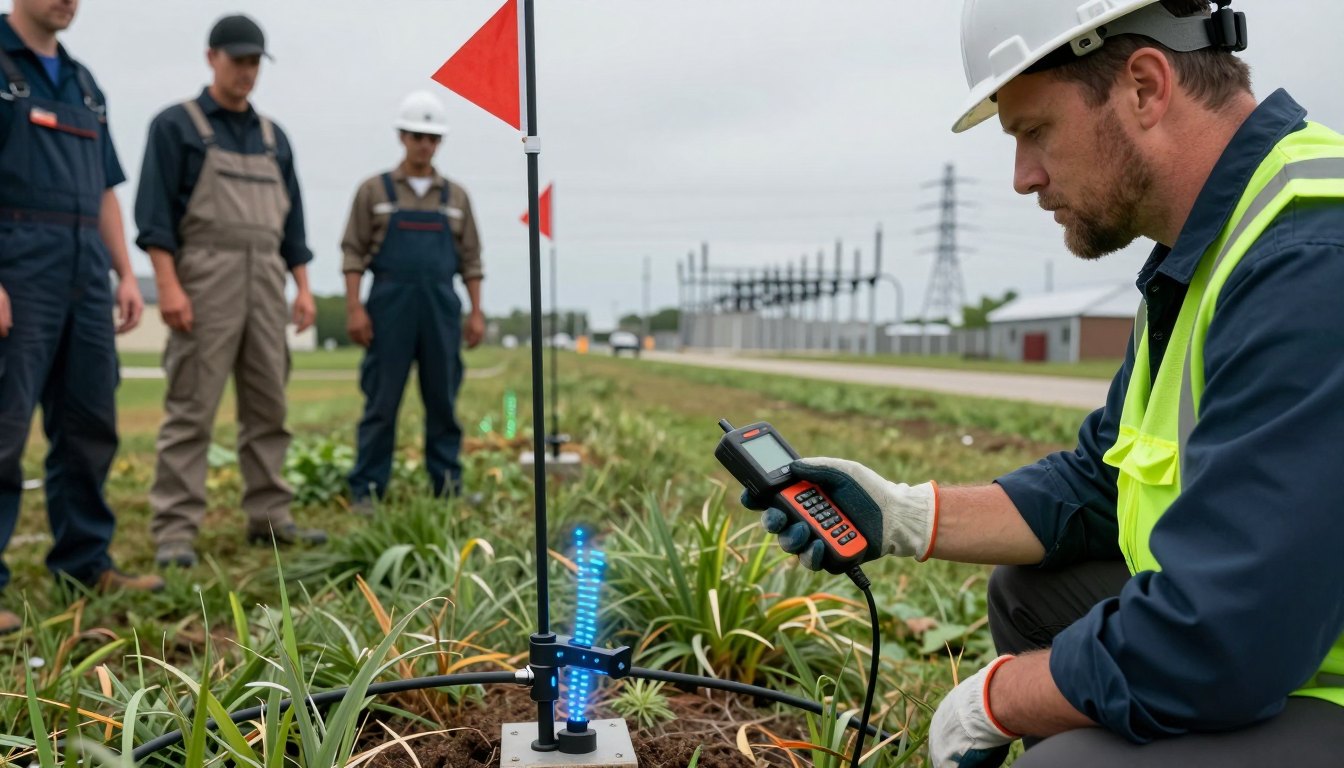
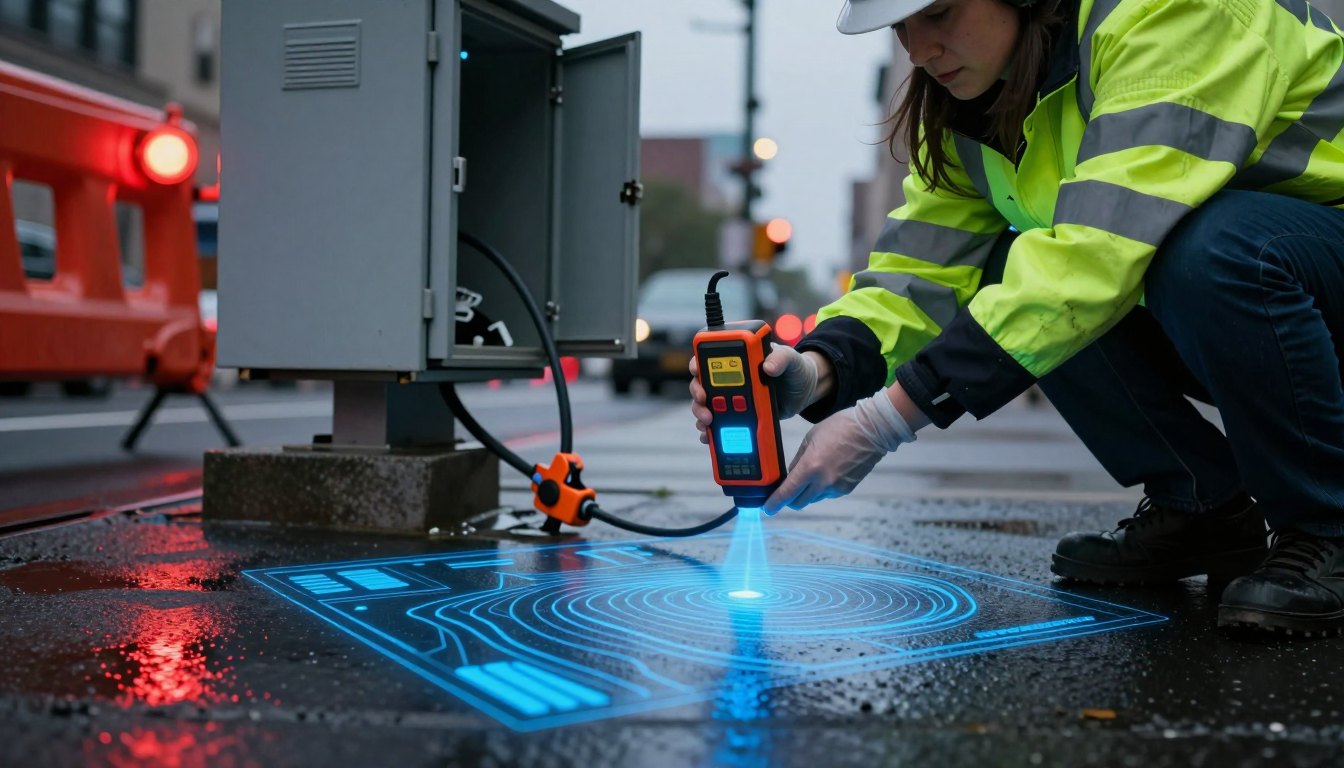
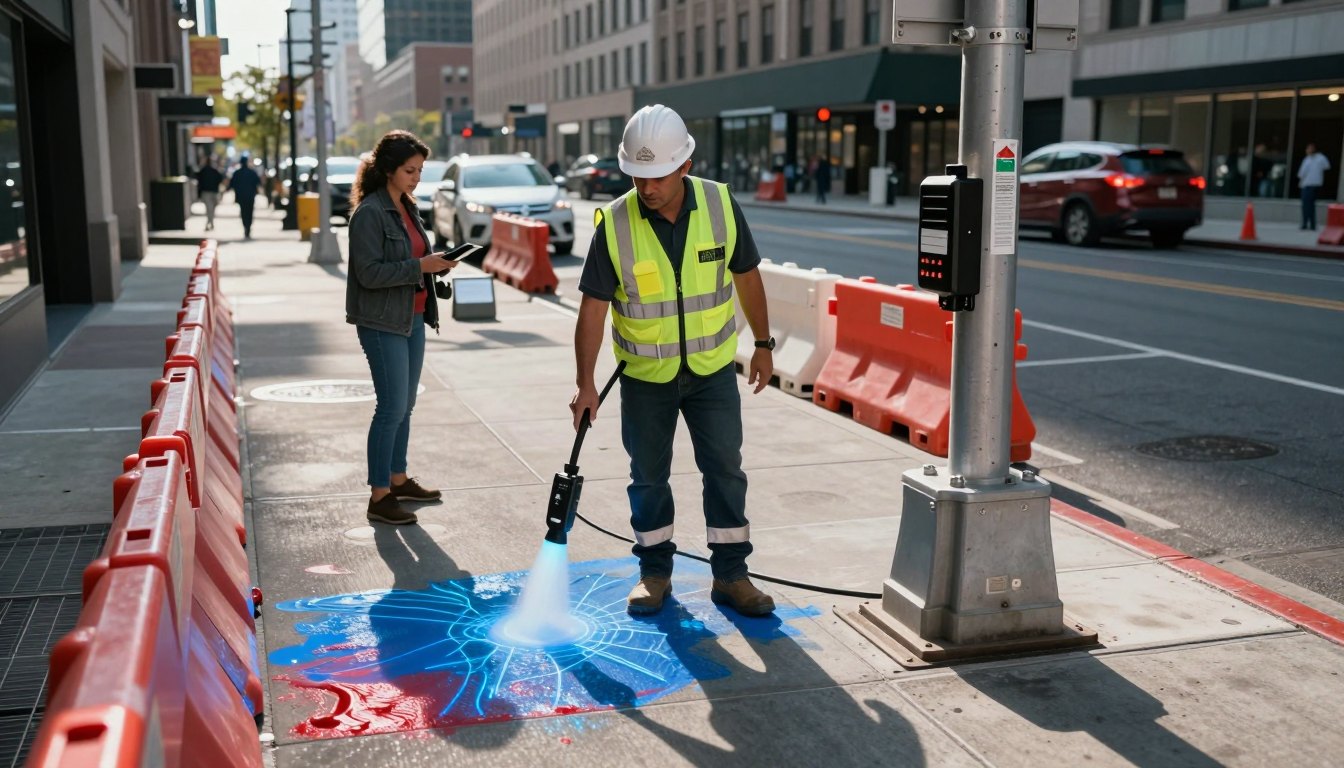
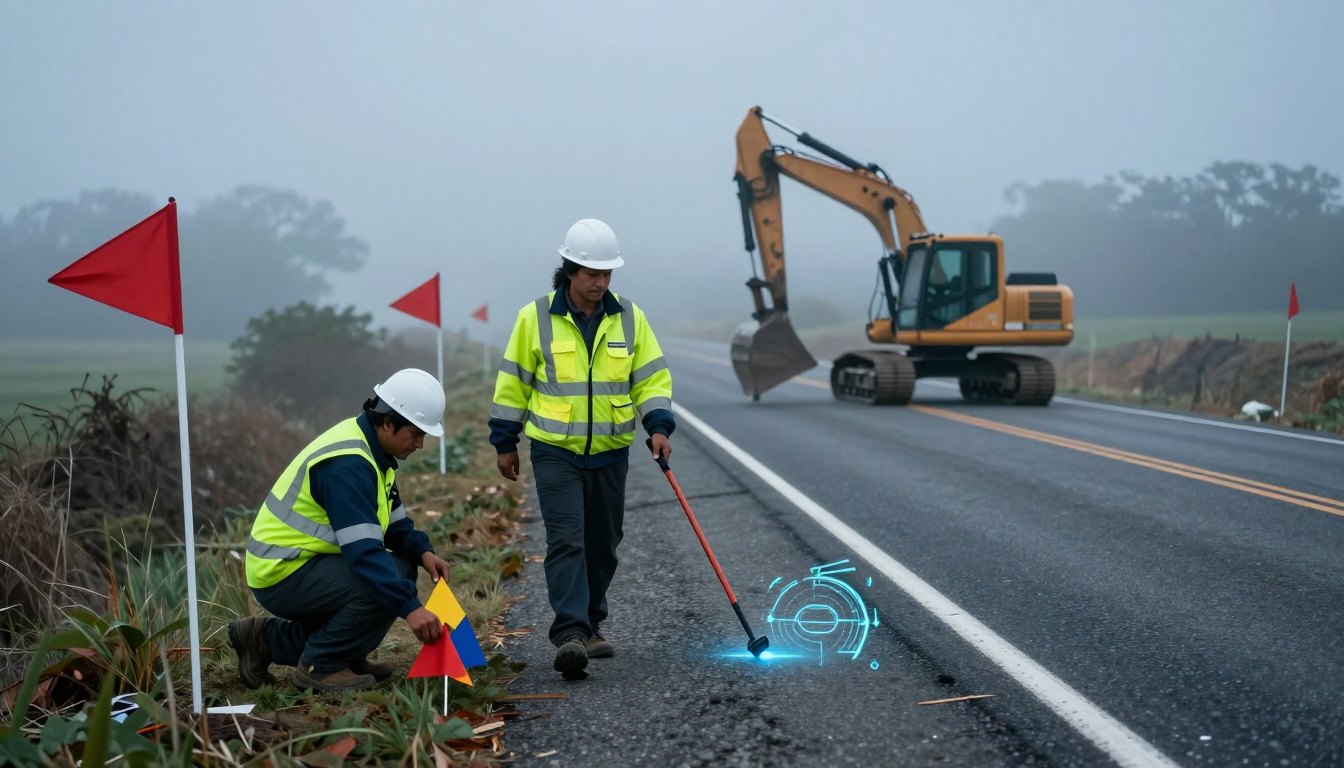
Participants learn to read underground utility plans and symbols, understand the theory of electromagnetic detection and recognize the factors that distort signals, such as adjacent services, tees and bends. Device sessions cover the PL-VF controls, displays, operating modes and pre-use checks. Most of the day is spent outdoors, where participants locate, trace and mark known services on a designated area, applying operational safety procedures that protect both workers and buried assets. Participants are also shown how to record locate results so that information passes cleanly from the locating crew to the excavation team. Common causes of missed services are reviewed, including non-metallic pipes, poor transmitter connections, signal bleed onto adjacent lines and over-reliance on passive modes. The program closes with a structured debrief in which each crew compares its marks with the true positions of the buried services.
Learning Outcomes
- Interpret underground utility plans and correlate them with site evidence
- Explain the theory of electromagnetic detection and common sources of error
- Operate the controls and interpret the displays of SSI PL-VF Series locators
- Locate and trace buried cables and pipes in active and passive modes
- Mark detected services and follow safe excavation procedures
Program Modules
- Interpreting Underground Utility Plans and Symbols — record types, symbols and accuracy limitations
- Theory of Underground Utility Detection — electromagnetic fields, frequencies and signal distortion
- Controls and Displays — PL-VF Series interface, indicators and pre-use checks
- Locating Cables and Pipes with the PL-VF Series — sweep patterns, tracing, pinpointing and depth readings
- Operational Safety and Procedures — permits to dig, marking conventions and hand-dig verification
- Hands-On Practical Training — outdoor locating exercises on a designated test area
Who Should Attend
- Excavation and groundworks operatives
- Utility and telecom field crews
- Site supervisors and safety coordinators
- Survey and mapping technicians
- Municipal works staff
Standards & Codes Referenced
- HSE HSG47 (Avoiding Danger from Underground Services)
- OSHA 2226-10R (Trenching and Excavation Safety)
- BSI PAS 128:2014 (Underground Utility Detection, Verification and Location)
Assessment & Certification
Competence is confirmed through a written examination on detection theory, plan interpretation and safe procedures and a practical assessment in which participants locate and mark known buried services on a test field using the PL-VF Series. Practical sessions take place at ASEEE-approved training centers under the supervision of a qualified assessor. Assessors check that marks fall within acceptable tolerance of known service positions and that each participant applies the correct safety sequence before declaring a site ready for excavation.
Successful candidates receive the ASEEE competency certificate, which carries a unique ID that employers and clients can verify online through Certificate Check. Recertification is recommended every 3 years.