Program Overview
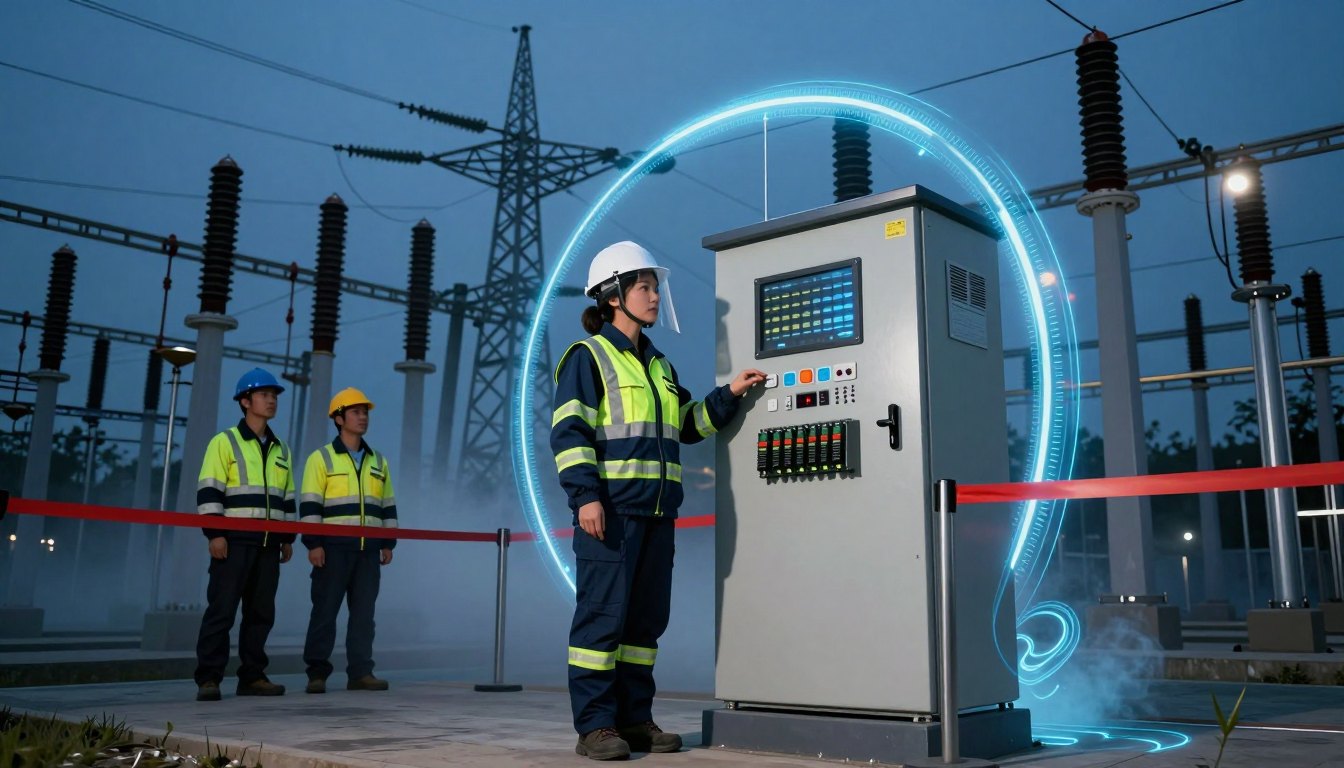
Most electrical fatalities during maintenance share a common cause: equipment that was believed to be dead was not. Safe isolation is the disciplined process that removes that assumption. This program teaches technicians and engineers to isolate low and high voltage equipment in a way that is planned, verified and documented every time.
Participants review electrical hazards and the regulatory basis for isolation, then study LV and HV system arrangements and the equipment found in them, from molded-case breakers and motor control centers to ring main units and withdrawable switchgear. The practical focus is on risk assessment, switching and lockout/tagout, correct use of voltage indicators and proving units, application of earths, and the emergency and communication protocols that support safe work.
Learning Outcomes
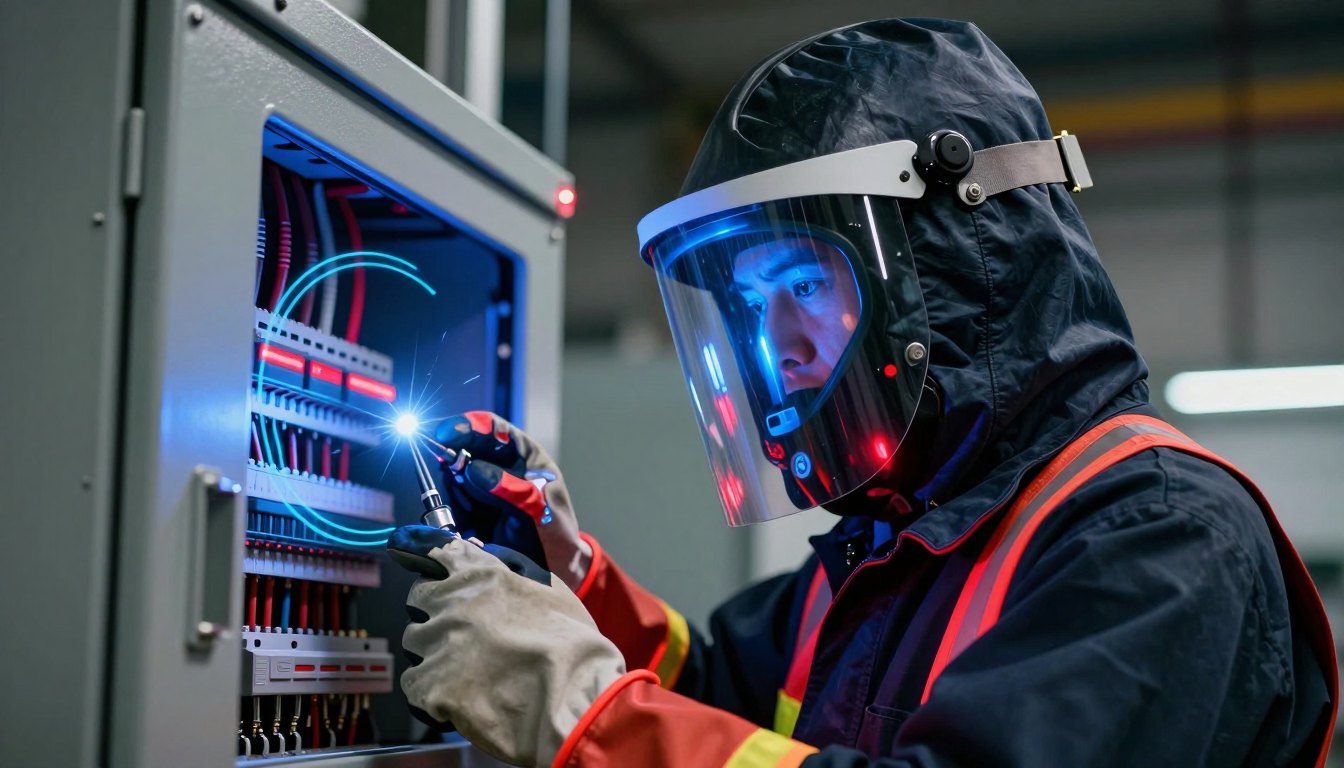
- Identify shock and arc flash hazards associated with LV and HV equipment
- Conduct a pre-isolation risk assessment and define control measures
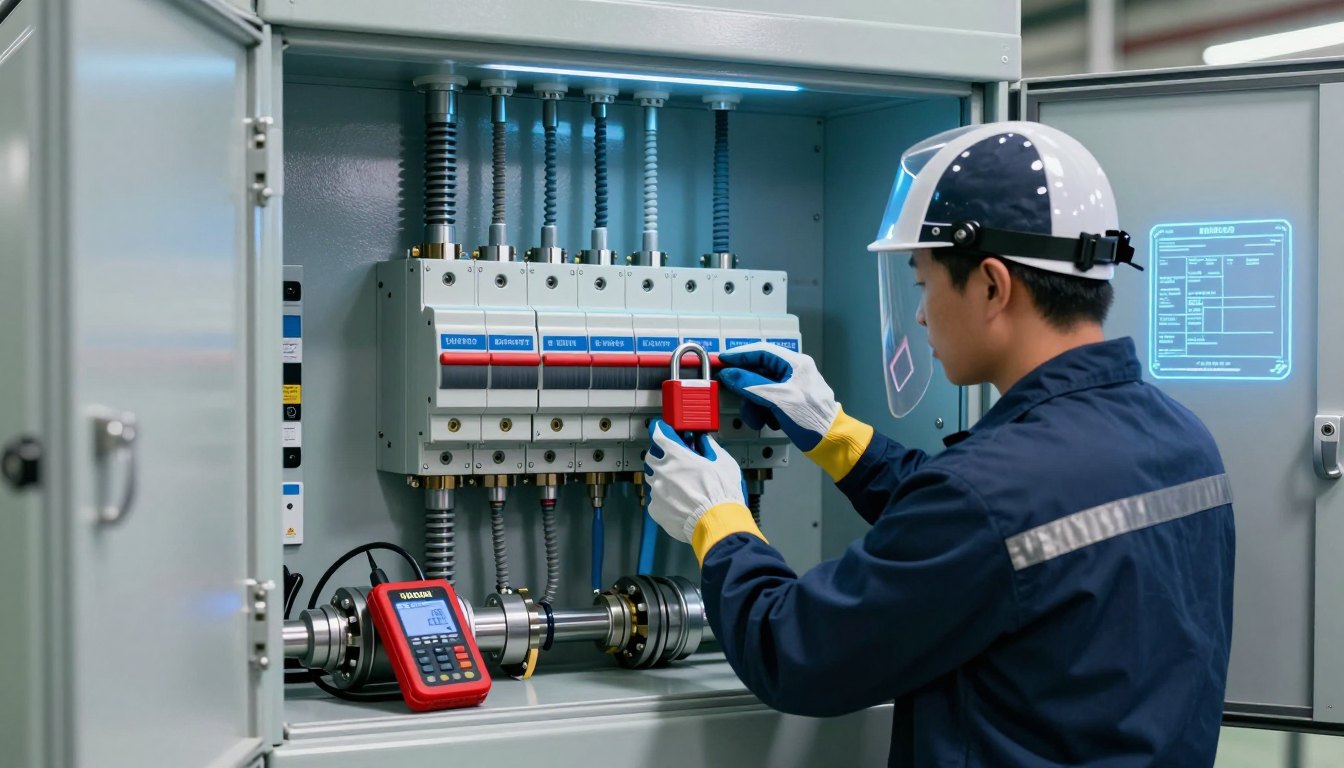
- Plan and execute an isolation sequence with lockout/tagout and points of isolation
- Prove dead using approved, CAT-rated test instruments and proving units
- Apply and remove circuit main earths and additional earths on HV systems
- Complete isolation records, permits and handback documentation accurately
Program Modules
- Electrical Hazards and the Importance of Safe Isolation — accident causes, regulatory duties and the isolation principle
- Low and High Voltage Systems — system configurations, voltage levels and sources of back-feed
- Equipment Types and Associated Hazards — switchgear, MCCs, transformers, motors, capacitors and stored energy
- De-Energizing, Lockout/Tagout and Verification — isolation procedures, locking devices and proving dead
- Pre-Isolation Risk Assessment — identifying hazards, induced voltage and mitigation measures
- Isolating LV and HV Equipment in Practice — racking out, switching, earthing and securing points of isolation
- Test Equipment Selection and Use — voltage indicators, measurement categories and proving units
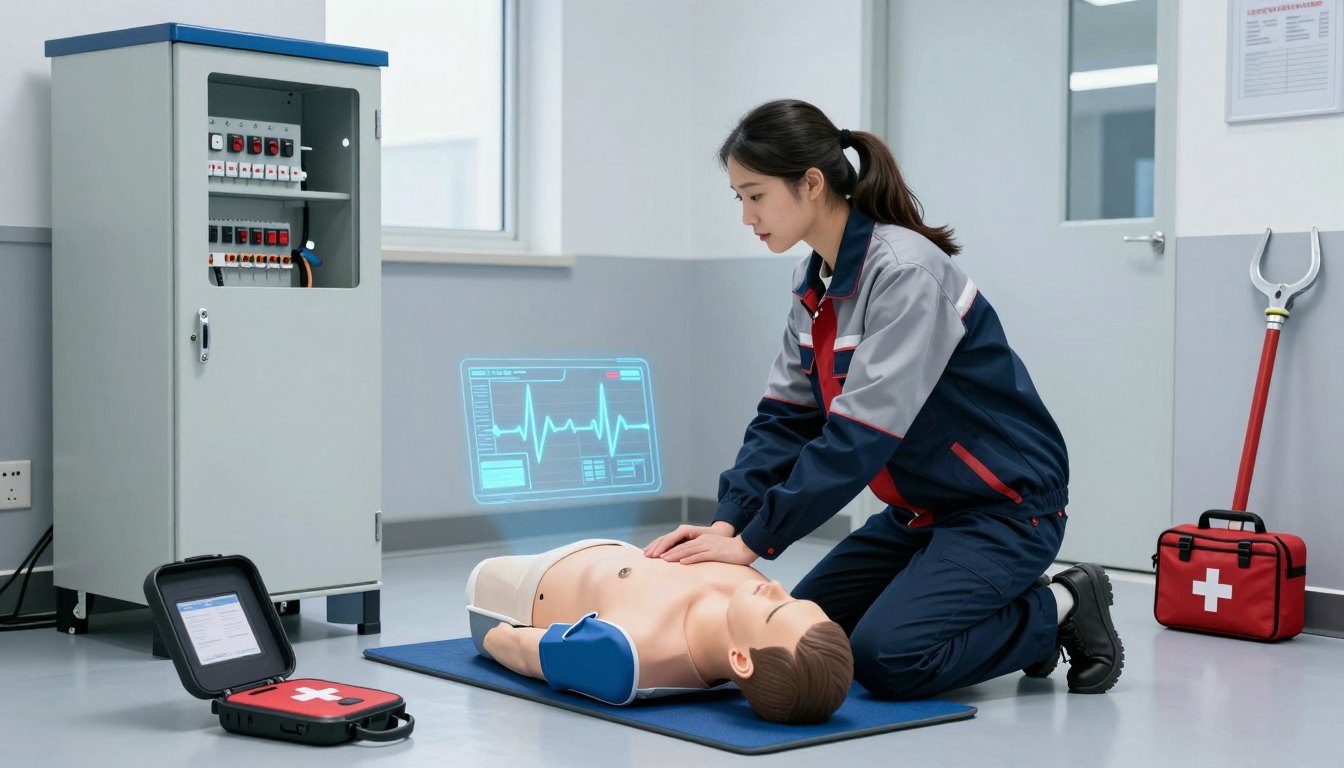
- Emergency Procedures and Communication — emergency shutdown, rescue and switching communication protocols
- Documentation and Best Practice Review — permits, isolation certificates, logs and lessons learned
Who Should Attend
- Electrical technicians and electricians
- Authorized and competent persons in plant maintenance
- HV switching operators
- Electrical supervisors and permit issuers
- Commissioning and maintenance engineers
Standards & Codes Referenced
- IEC 61010-1 / EN 61010-1 (Safety requirements for electrical equipment for measurement, control and laboratory use)
- IEC 62271-1 (High-voltage switchgear and controlgear, common specifications)
- IEC 60947-2 (Low-voltage switchgear and controlgear, circuit-breakers)
- IEC 60034-18-1 (Rotating electrical machines, insulation systems)
- IEEE 1584 (Guide for Performing Arc-Flash Hazard Calculations)
- IEEE C37 series (Switchgear and protective devices)
Assessment & Certification
Competence is confirmed through a written examination on hazards, isolation principles and documentation and a practical assessment in which participants plan and execute a full LV and HV isolation, including lockout/tagout and proving dead. Practical sessions take place at ASEEE-approved training centers under the supervision of a qualified assessor.
Successful candidates receive the ASEEE competency certificate, which carries a unique ID that employers and clients can verify online through Certificate Check. Recertification is recommended every 3 years.