Program Overview
Between the design office and a running plant lies a long chain of field work: instrument stands, cable trays, glands, terminations, impulse lines, air supplies and loop checks. Each link must be done correctly and recorded, because a single crossed pair or leaking fitting can delay start-up or hide a false reading in a safety function.
This program follows the instrument construction sequence from start to finish. Participants learn to work from datasheets, I/O lists, P&IDs, loop diagrams and junction box drawings, then cover installation procedures, cable tray and duct erection, cable laying, glanding and termination, and the fabrication and testing of instrument air and impulse lines. The program closes with loop checking, pre-commissioning and commissioning methods used on industrial projects.
Learning Outcomes
- Interpret instrument datasheets, I/O lists, P&IDs, loop diagrams and junction box drawings
- Apply HSE controls and inspection and test plans to instrument erection activities
- Install field instruments, cable trays and ducts in accordance with project procedures
- Lay, gland and terminate instrument and control cables and verify continuity and insulation
- Fabricate, install and pressure test instrument air and impulse lines
- Perform field calibration, loop checks and pre-commissioning and commissioning activities
Program Modules
- Introduction to Process Instrument Erection — HSE requirements and control measures on instrument works
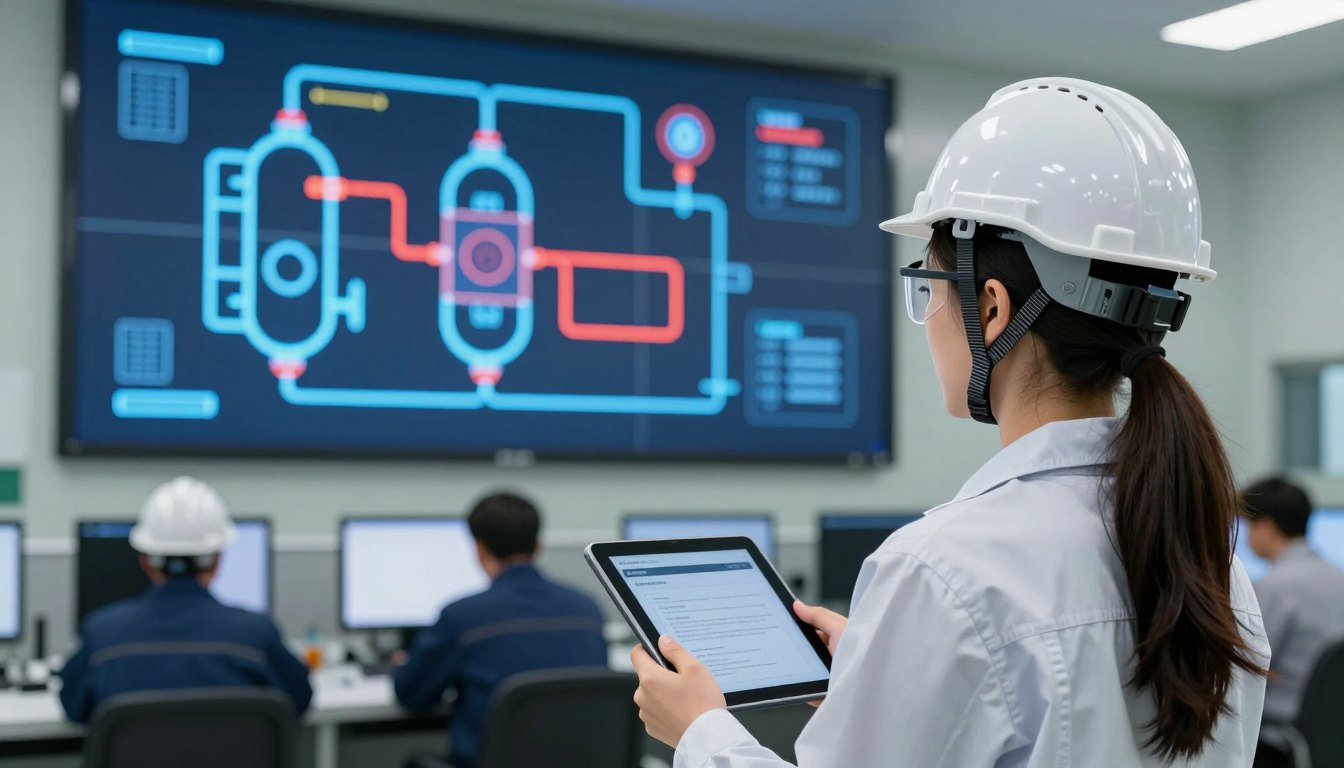
- Instrument Drawings and Documents — datasheets, I/O lists, P&IDs, loop diagrams and junction box drawings
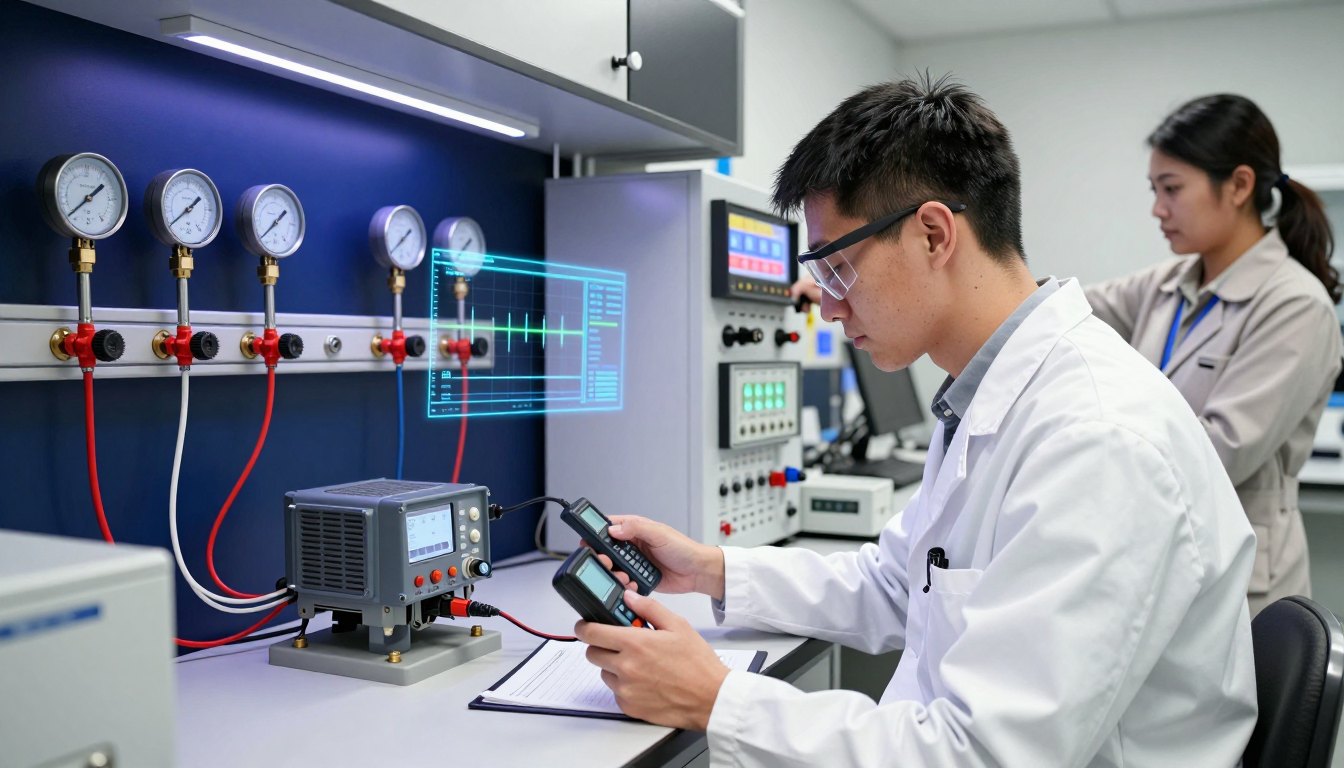
- Field Instrument Calibration Procedures — bench and in-situ calibration and as-found/as-left records
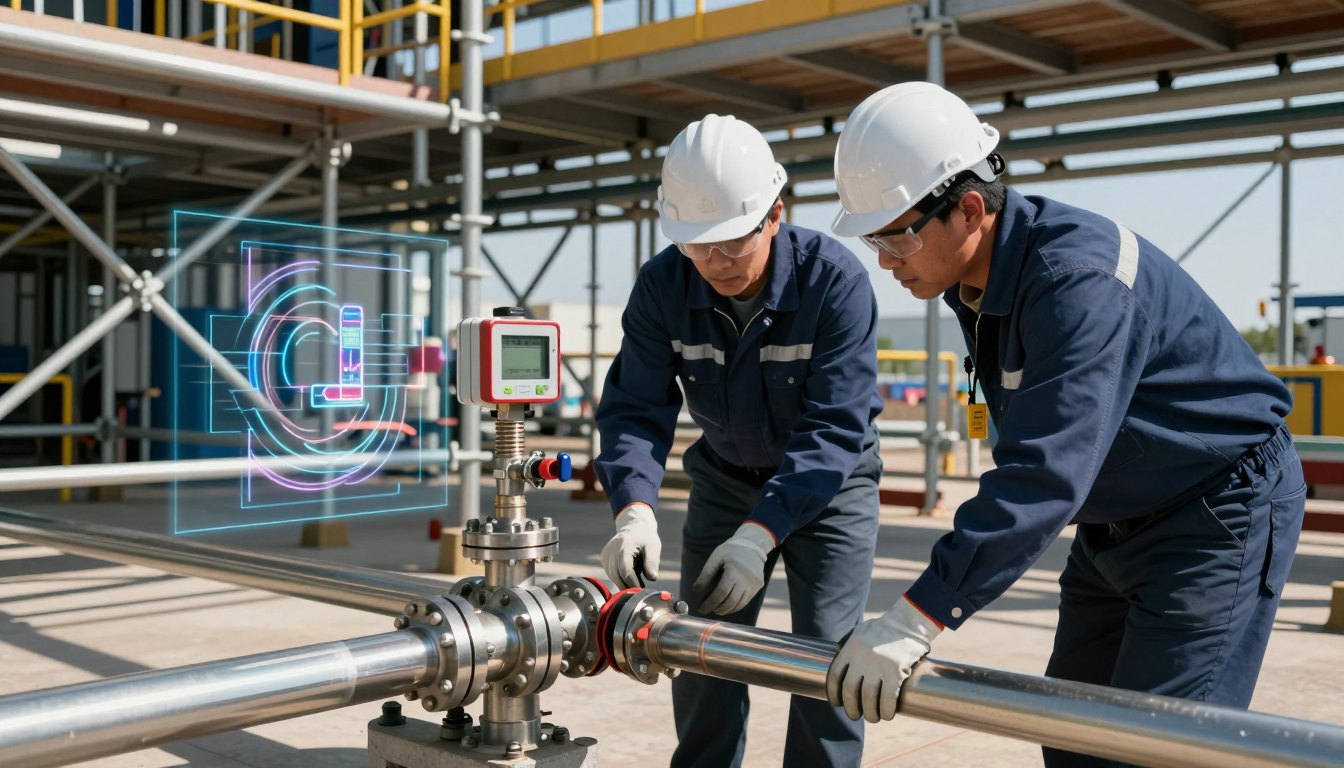
- Instrument Installation Procedures — mounting, hook-ups and installation details
- Cable Tray and Cable Duct Erection — preparation, procedures, site inspection and ITPs
- Cable Laying, Glanding and Termination — control cable termination procedures and inspection
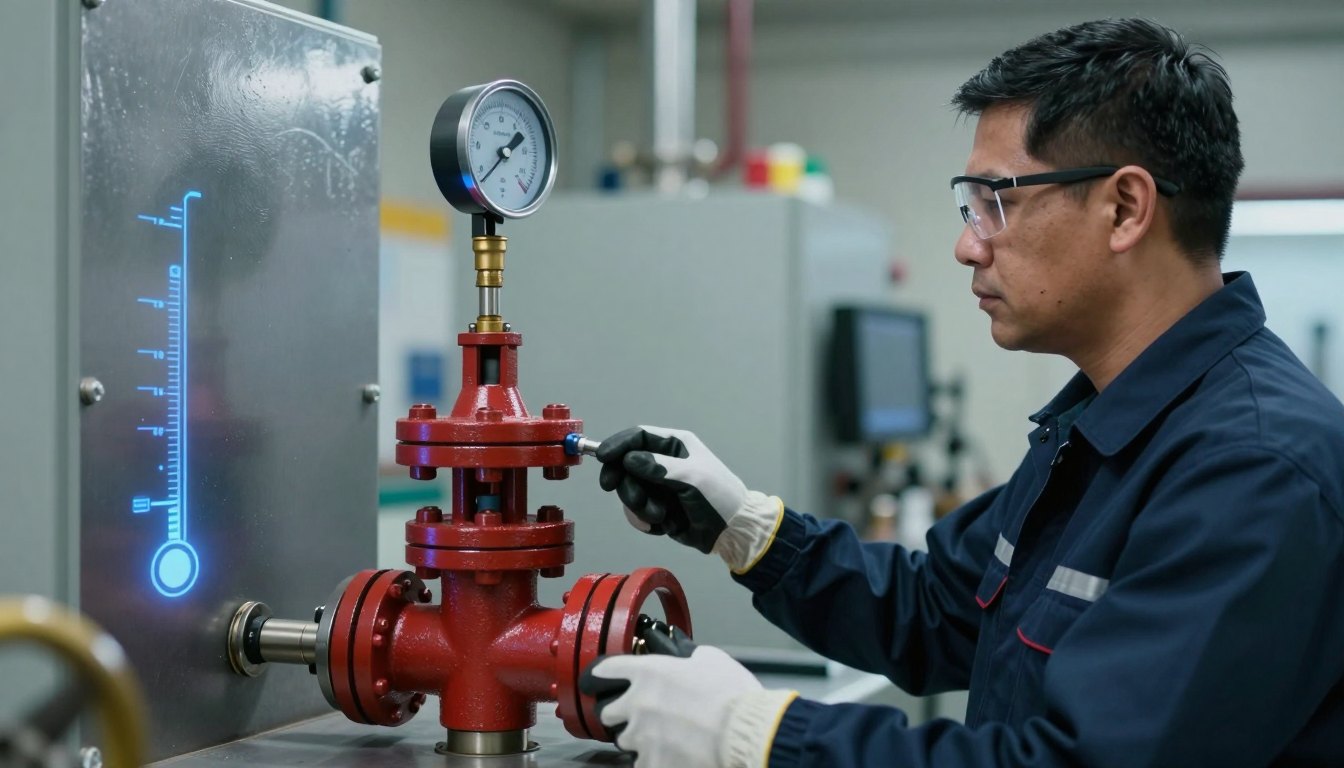
- Instrument Air and Impulse Lines — fabrication, erection and pressure testing of tubing
- Loop Check Process — point-to-point checks, simulation and loop sign-off
- Pre-Commissioning and Commissioning — methods, documentation and handover to operations
Who Should Attend
- Instrument technicians and fitters on construction projects
- Instrument supervisors and foremen
- Commissioning technicians and engineers
- QA/QC inspectors for instrumentation works
- Graduate instrument engineers joining EPC projects
Standards & Codes Referenced
- ISO 3511 (Process Measurement Control Functions and Instrumentation: Symbolic Representation), including Part 4
- ISO 10012 (Measurement Management Systems)
- API RP 551 (Process Measurement)
- API RP 552 (Transmission Systems)
- API RP 554 (Process Control Systems)
- IEC 61508 Parts 1–7 (Functional Safety of E/E/PE Safety-Related Systems)
- ANSI/ISA-5.1 (Instrumentation and Control Symbols and Identification)
Assessment & Certification
Assessment includes a written examination on installation and commissioning procedures and a practical test in which candidates install and terminate a transmitter, pressure test its impulse line and complete a documented loop check. Practical sessions take place at ASEEE-approved training centers.
Successful candidates are awarded the ASEEE competency certificate, issued with a unique certificate ID that employers and clients can verify online through Certificate Check. ASEEE recommends recertification every 3 years to keep competence aligned with current standards, equipment and site practice.