Program Overview
Portable appliances move, flex and get damaged, which makes them a frequent source of shock and fire. Portable appliance testing combines careful visual inspection with electrical tests to find faults before they hurt someone. This program trains participants to carry out in-service inspection and testing correctly and consistently.
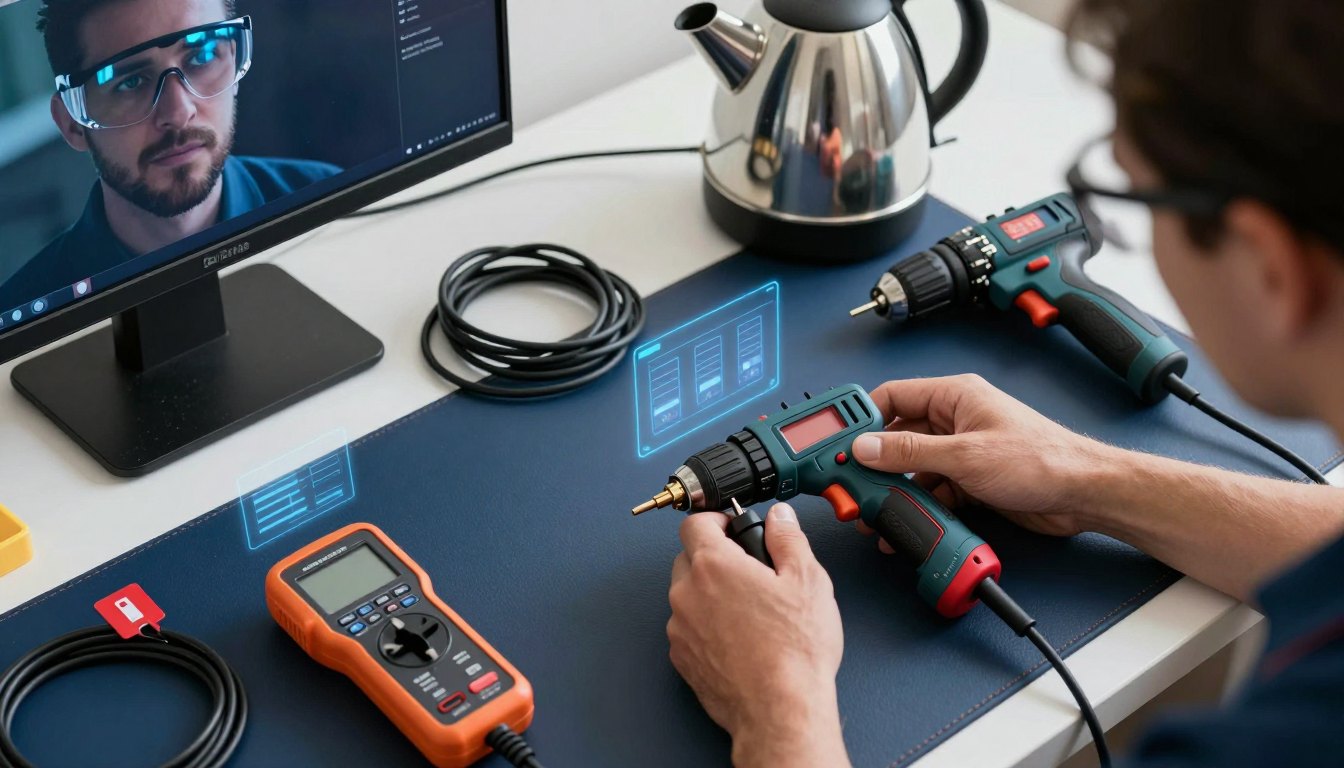
Participants learn the equipment classes, the defects that visual inspection reveals, and the tests used to confirm safety: earth continuity, insulation resistance, protective conductor and touch current, polarity and functional checks. Hands-on sessions use PAT instruments on a range of Class I and Class II appliances and extension leads, with guidance on test intervals for offices, workshops, construction sites and other environments. Documentation, labeling and pass/fail decisions are treated as part of the job, not an afterthought. The program also explains how to adopt a risk-based approach to inspection frequency, so effort is focused on the equipment and environments most likely to cause harm, rather than applying a single interval everywhere. Common instrument pitfalls, such as testing with the appliance switched off, are demonstrated.
Learning Outcomes
- Classify appliances by equipment class and determine the required tests
- Carry out formal visual inspections and identify defects in plugs, cords and enclosures
- Perform earth continuity and insulation resistance tests with a PAT instrument
- Set up and operate PAT equipment safely and interpret its results
- Apply pass/fail criteria and record results, labels and asset registers accurately
- Recommend inspection and test intervals for different working environments
Program Modules
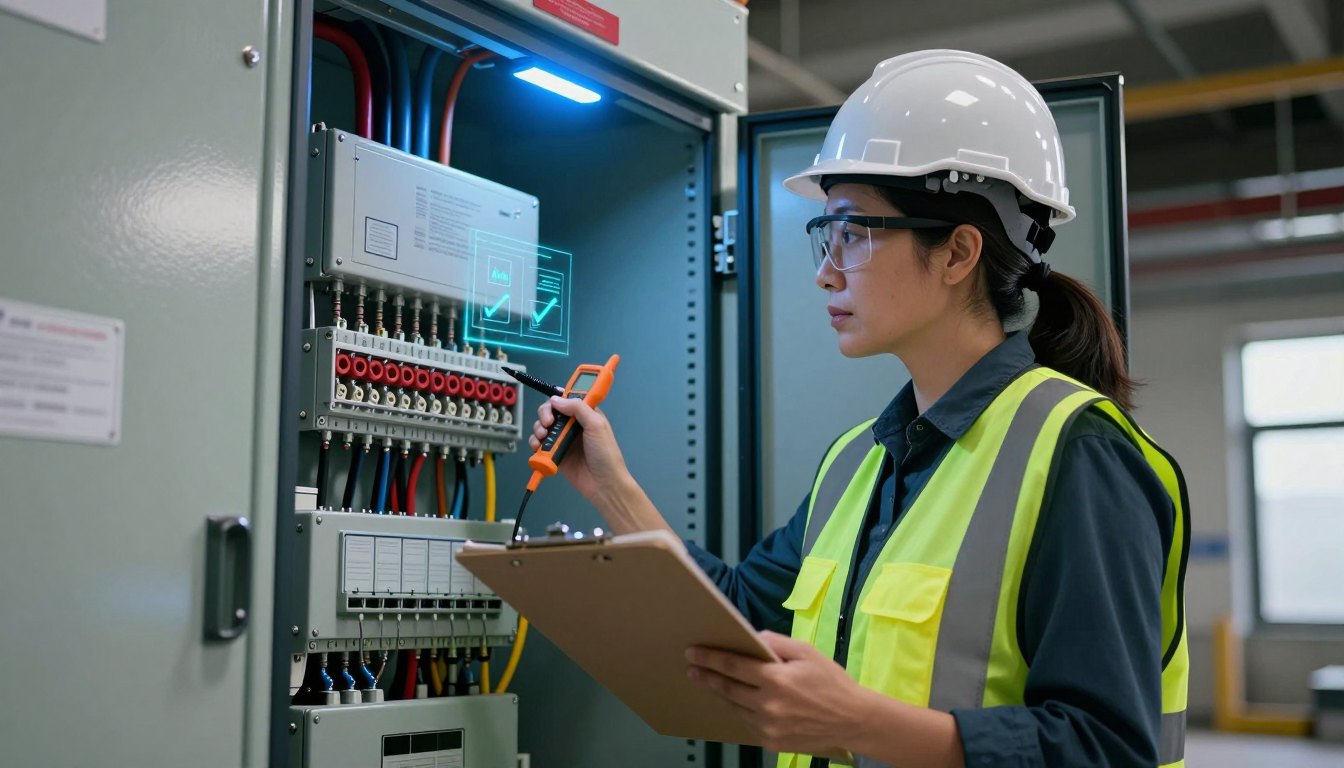
- Interpreting Inspection Results and Symbols — equipment classes, appliance markings and instrument indications
- Visual Inspection of Appliances — user checks, formal visual inspection and common defects
- Insulation Resistance and Earth Continuity Testing — test methods, limits and alternative leakage tests
- PAT Equipment Setup and Operation — instrument modes, test leads and calibration checks
- Documentation and Pass/Fail Criteria — records, labels, asset registers and reporting failures
- Safety Precautions and Appliance Handling — isolation, stored energy and safe handling of failed items
- Testing in Different Environments — offices, workshops, construction sites and hire equipment
Who Should Attend
- Electricians and maintenance technicians
- Facilities and building services staff
- Health and safety coordinators
- In-house appliance testers
- Equipment rental and service personnel
Standards & Codes Referenced
- IET Code of Practice for In-service Inspection and Testing of Electrical Equipment
- BS 7671 (Requirements for Electrical Installations, IET Wiring Regulations, 18th Edition)
- HSE HSG107 (Maintaining Portable and Transportable Electrical Equipment)
Assessment & Certification
Competence is confirmed through a written examination on inspection procedures, test methods and pass/fail criteria and a practical assessment in which participants inspect and test a set of appliances and complete the test records. Practical sessions take place at ASEEE-approved training centers under the supervision of a qualified assessor. Each candidate must correctly identify deliberately faulted appliances.
Successful candidates receive the ASEEE competency certificate, which carries a unique ID that employers and clients can verify online through Certificate Check. Recertification is recommended every 3 years.