Program Overview
The RD8100 is a precision locator used by utilities and specialist surveyors where simply detecting a service is not enough. Operators need to identify which of several parallel cables is the target, estimate depth reliably and confirm the line they are tracing is the one they connected to. Those capabilities only deliver value in trained hands.
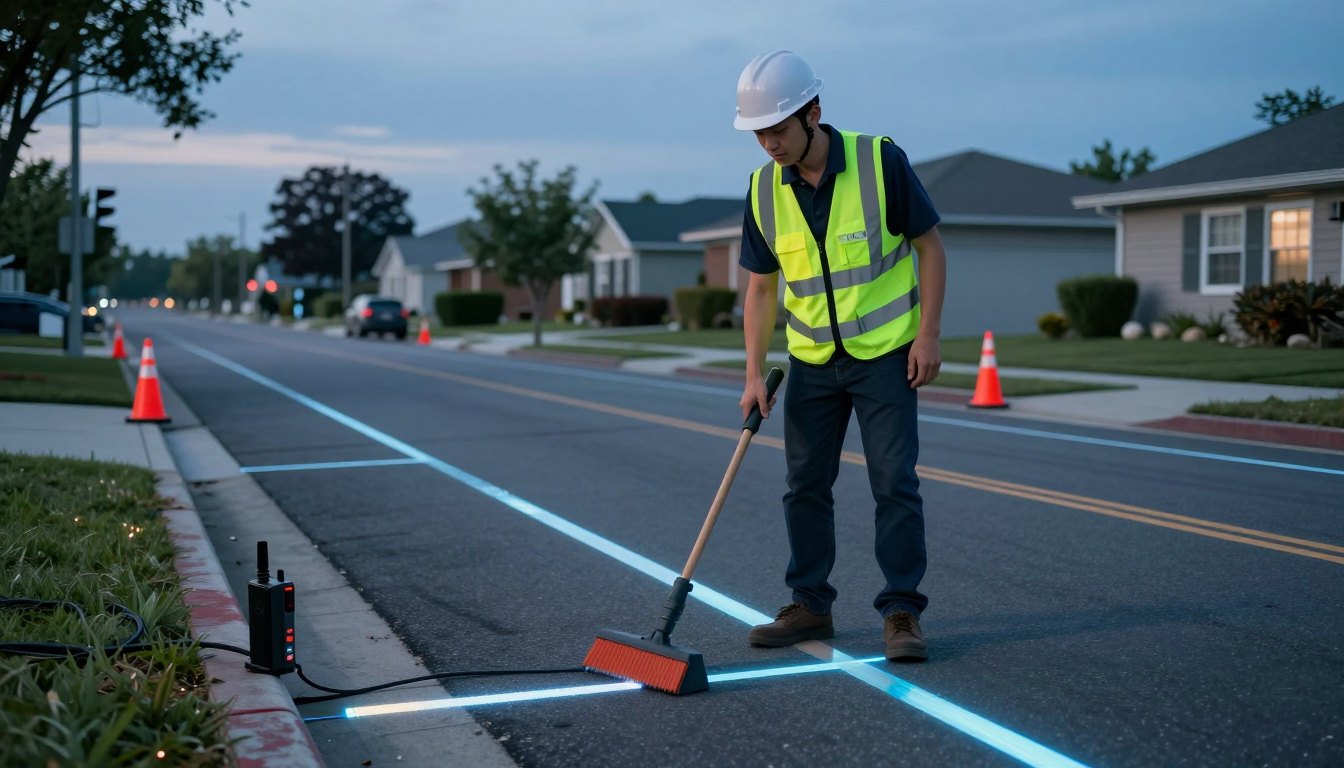
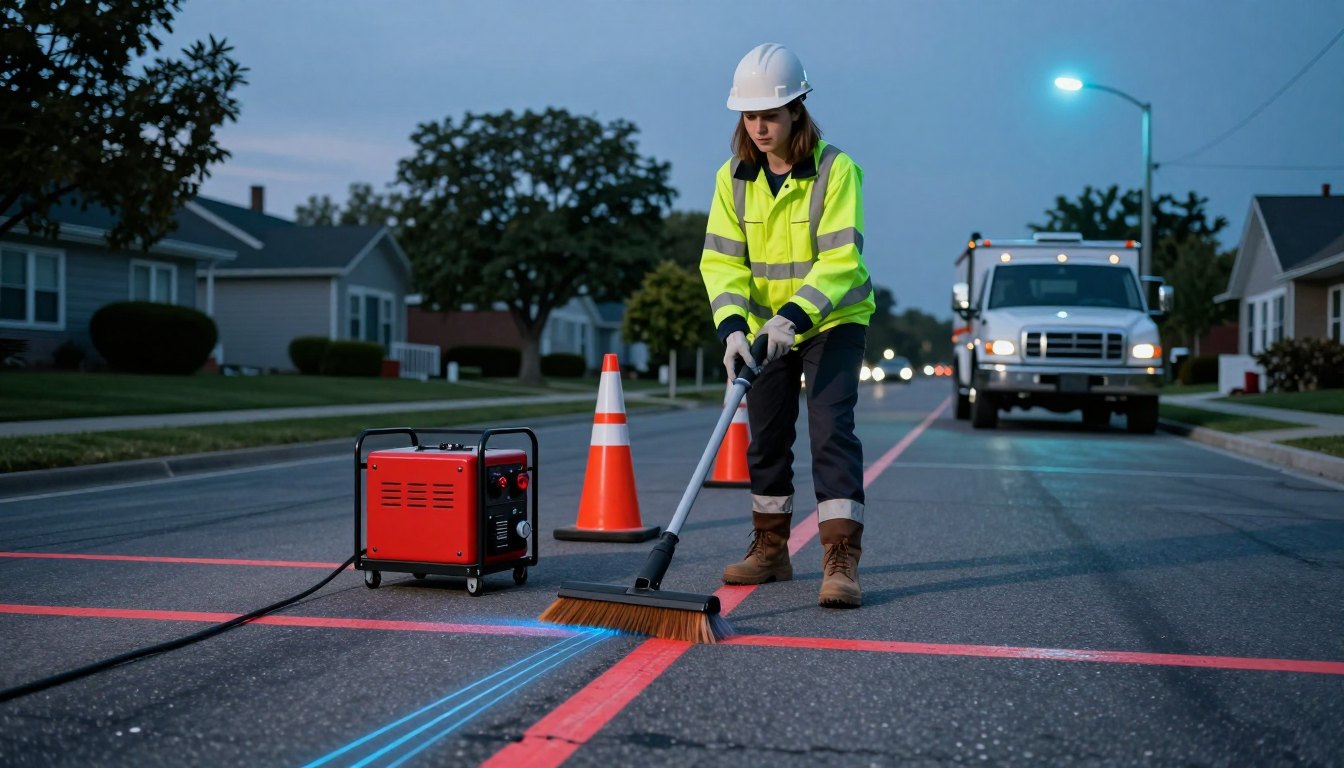
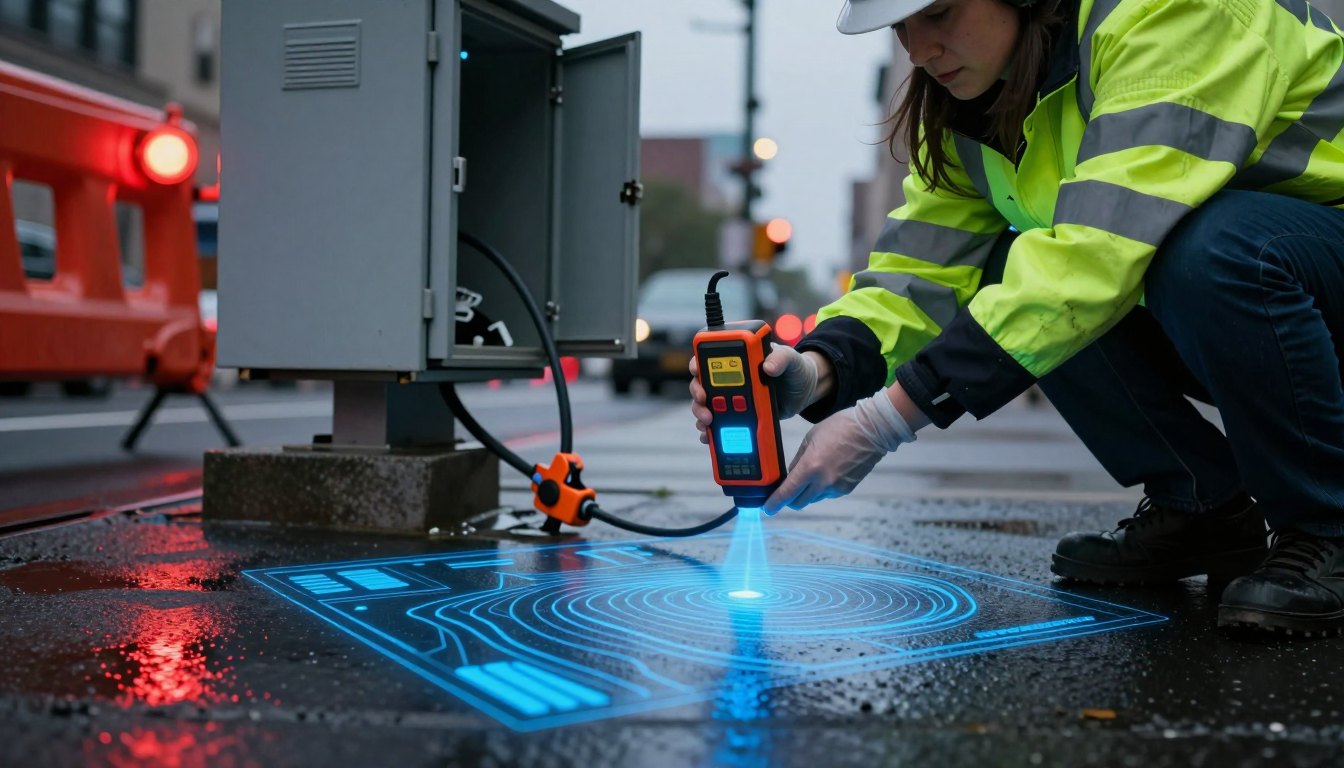
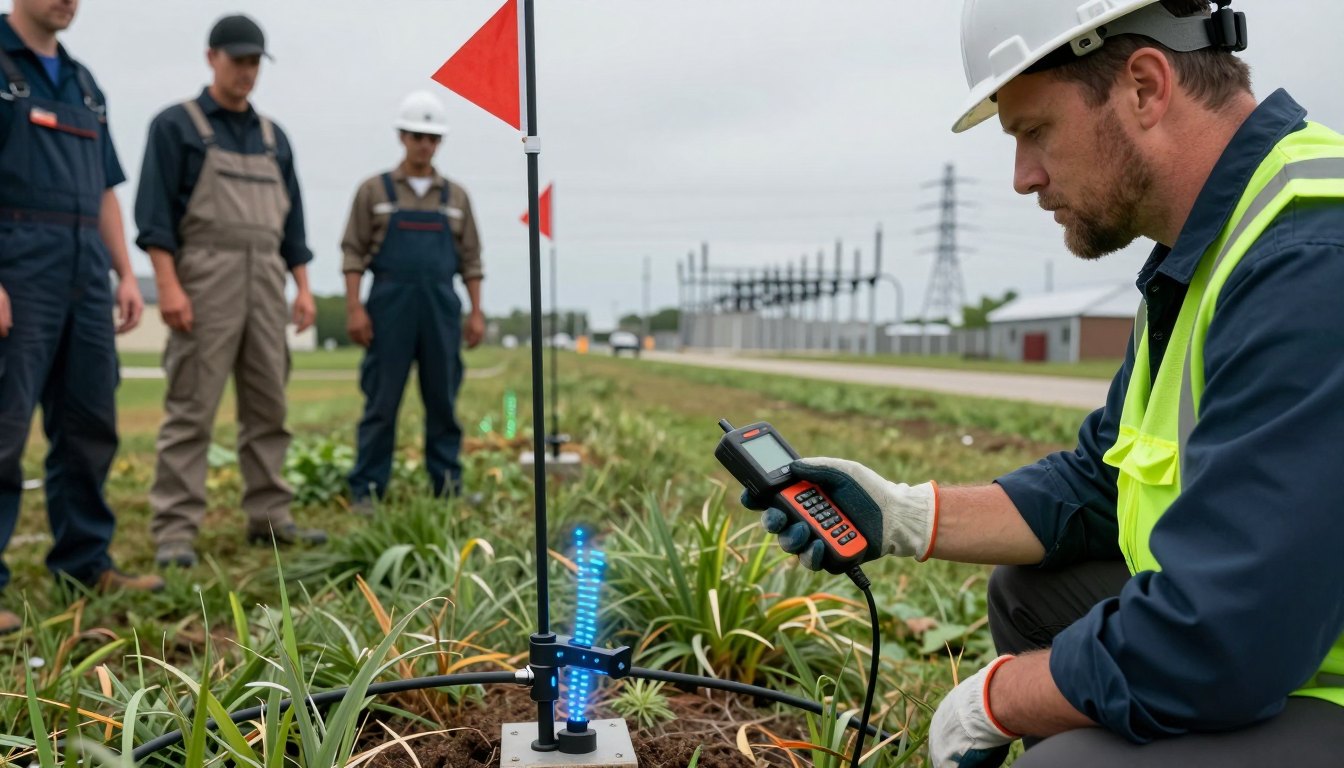
This program takes participants through the full functionality of the RD8100 and its transmitter. After reviewing utility records and electromagnetic theory, it covers the controls, setup and menu system, calibration checks, peak and null antenna modes, depth and current measurement, and current direction techniques for identifying a target line in congested ground. Outdoor practical sessions apply each technique on a designated test area.
Learning Outcomes
- Interpret utility plans and site evidence to plan a locate
- Explain how a pipe and cable locator detects electromagnetic fields
- Set up the RD8100 and transmitter, navigate the menu system and complete calibration and pre-use checks
- Apply the transmitter by direct connection, clamp or induction and select appropriate frequencies
- Use peak and null modes to trace and pinpoint services and estimate depth
- Use current measurement and current direction to identify a target line among parallel services
Program Modules
- Interpreting Utility Plans and Symbols — planning the locate from available records
- Identifying Services on the Ground — surface indicators and site reconnaissance
- Electromagnetic Theory — how a pipe and cable locator works
- RD8100 Controls and Displays — what each control and screen indication means
- Controls and Operation in All Modes — correct use of the RD8100 and transmitter in passive and active modes
- Setup, Menu System and Calibration — configuration, pre-use testing and calibration verification
- Peak and Null Operation — antenna modes, pinpointing and depth estimation
- Current Measurement and Current Direction — identifying the target line in congested areas
- Locator and Transmitter Compatibility — transmitter options, connection accessories and frequencies
- Outdoor Practical — applying all techniques on a designated test area
Who Should Attend
- Utility locating technicians
- Subsurface utility engineering survey staff
- Telecom, power and water network field engineers
- Experienced cable avoidance tool operators upgrading to precision locating
Standards & Codes Referenced
- HSE HSG47 (Avoiding Danger from Underground Services)
- OSHA 2226-10R (Trenching and Excavation Safety)
- BSI PAS 128:2014 (Underground Utility Detection, Verification and Location)
Assessment & Certification
Assessment includes a written test on RD8100 operation and location theory and a practical assessment in which candidates trace, pinpoint and identify a target service among parallel lines and record depth and position. Practical sessions take place at ASEEE-approved training centers.
Successful candidates are awarded the ASEEE competency certificate, issued with a unique certificate ID that employers and clients can verify online through Certificate Check. ASEEE recommends recertification every 3 years to keep competence aligned with current standards, equipment and site practice.