Program Overview
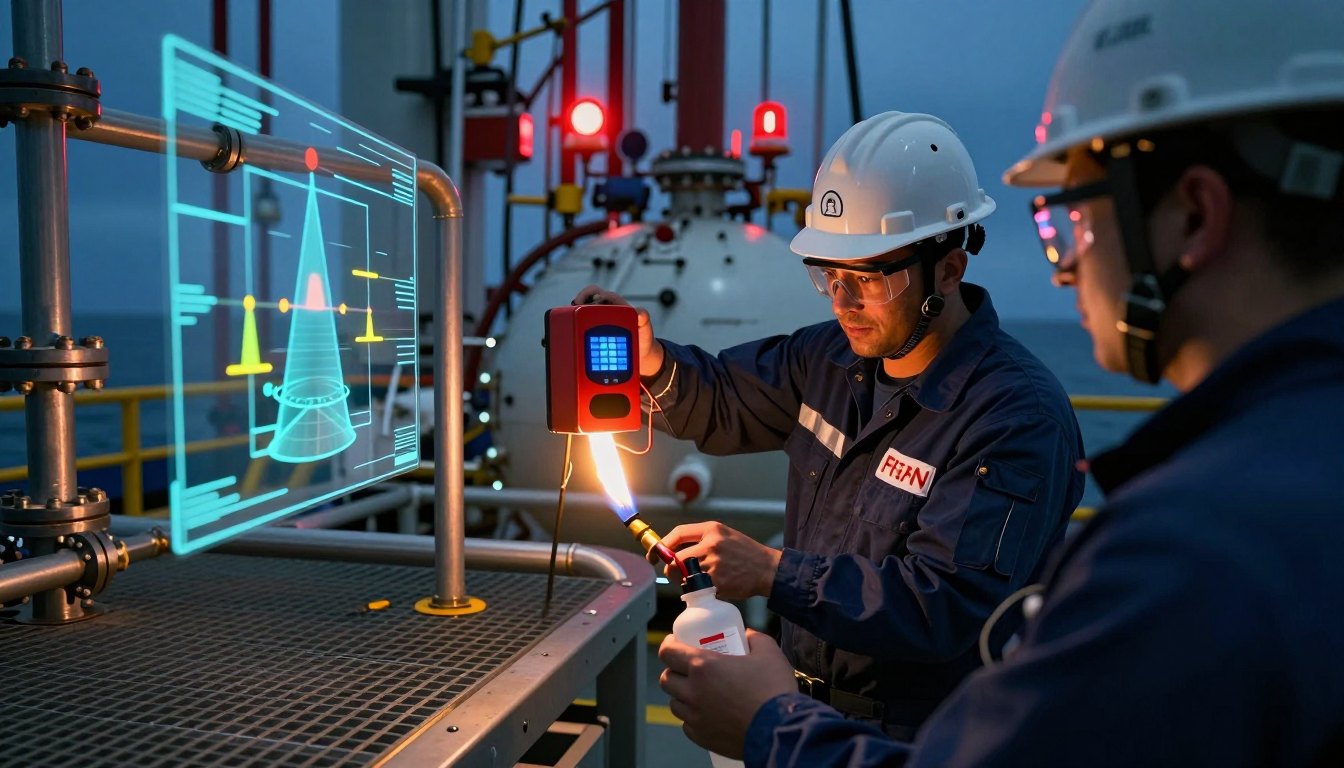
Fixed gas detection is often the first and only warning of a flammable or toxic release. Its effectiveness depends on choices made long before an alarm: the right sensing technology, detectors placed where gas will actually travel, correct wiring to the control system and calibration performed at the right interval with the right gas.
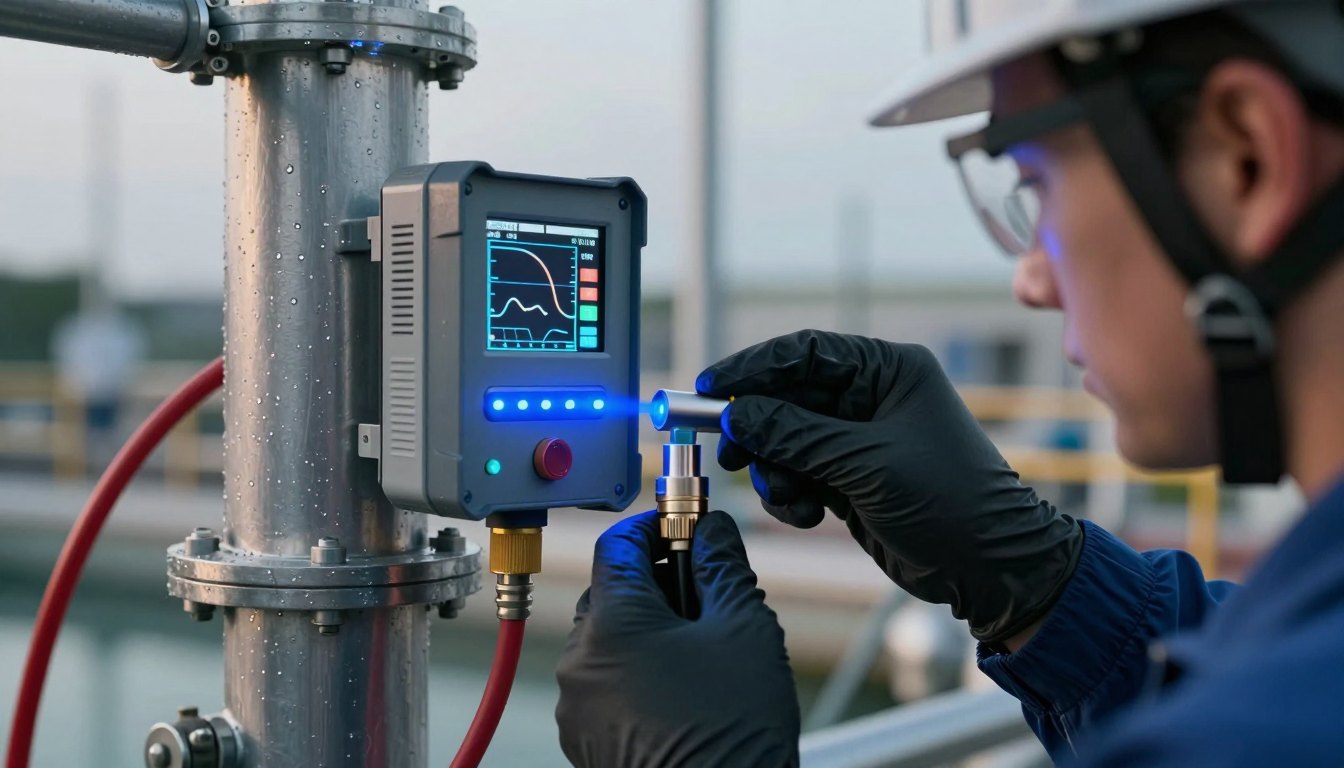
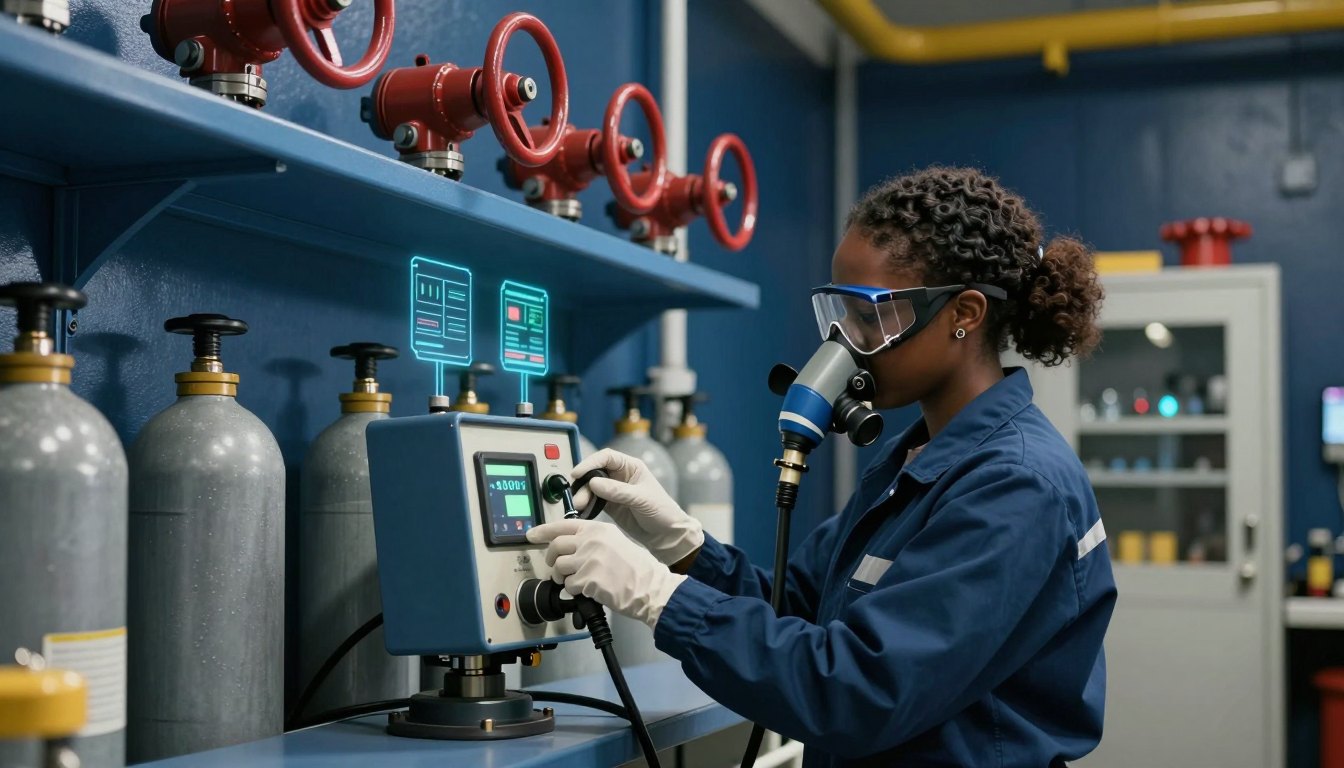
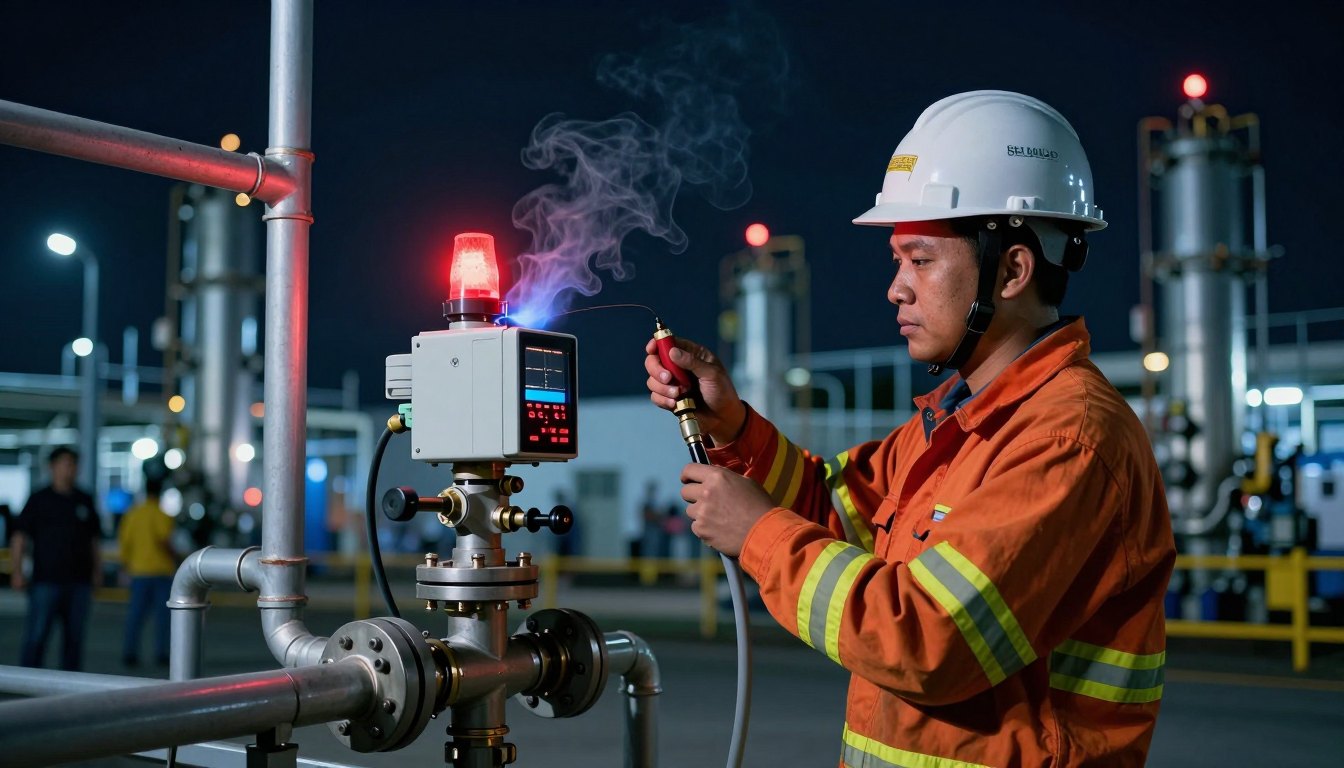
This program covers the full life cycle of an FGDS. Participants study catalytic, infrared, electrochemical and semiconductor sensing principles, control panels and signal interfaces, and detector placement based on gas density, ventilation and potential release sources. Practical sessions on MSA and Detcon detectors cover installation, calibration, bump testing and fault diagnosis. The program references IEC 60079-29-1 and IEC 60079-29-2 for detector performance and selection, EN 50271 for detectors using software, and IEC 61508 and IEC 61511 where gas detection forms part of a safety instrumented function.
Learning Outcomes
- Explain the measurement principles of catalytic, infrared, electrochemical and semiconductor gas sensors
- Describe FGDS architecture, including detectors, transmitters, control panels and outputs
- Apply detector placement principles based on gas properties, release sources and ventilation
- Install and wire detectors in line with hazardous area and manufacturer requirements
- Perform calibration and bump testing with certified test gas
- Diagnose detector, wiring and control panel faults
- Relate FGDS maintenance to functional safety and regulatory requirements
Program Modules
- Fundamentals of Gas Detection and Measurement Principles — LEL, ppm and percent volume measurement and sensor technologies
- FGDS Components, Sensors and Control Panels — detector heads, transmitters, controllers, 4-20 mA and digital interfaces and alarm outputs
- System Design Basics and Detector Placement — gas density, dispersion, coverage and voting logic
- Installation Requirements and Wiring Practices — mounting, cable selection, glanding, earthing and Ex considerations
- Calibration Methods and Bump Testing Procedures — zero and span calibration, test gas handling and records
- Safety Precautions and Regulatory Compliance — inhibits, overrides, functional safety and compliance obligations
- Fault Identification, Diagnostics and Troubleshooting — sensor poisoning, drift, wiring faults and controller diagnostics
Who Should Attend
- Instrumentation and F&G technicians
- Fire and gas system engineers
- Maintenance supervisors in oil, gas and chemical facilities
- HSE and process safety personnel
- Commissioning engineers
Standards & Codes Referenced
- IEC 60079-29-1
- IEC 60079-29-2
- EN 50271
- IEC 61508
- IEC 61511
Assessment & Certification
Assessment combines a written examination on sensor principles, detector placement and FGDS maintenance with a practical assessment in which each participant installs, calibrates and bump tests a fixed gas detector and diagnoses a fault introduced into the system. Practical sessions take place at ASEEE-approved training centers, using calibrated equipment and realistic work scenarios under the supervision of a qualified assessor.
Participants who meet the competency criteria receive an ASEEE competency certificate carrying a unique certificate ID that employers and clients can verify online through Certificate Check. ASEEE recommends recertification every 3 years to keep skills aligned with current practice and revised standards.