Program Overview
The Senior Authorized Electrical Person sits at the top of the electrical safety management chain. This individual appoints and audits other authorized persons, approves high-risk work, issues safety documents for complex systems and makes the final call on whether energized work is justified. The role demands technical depth, sound judgment and a clear grasp of personal and corporate legal duties.
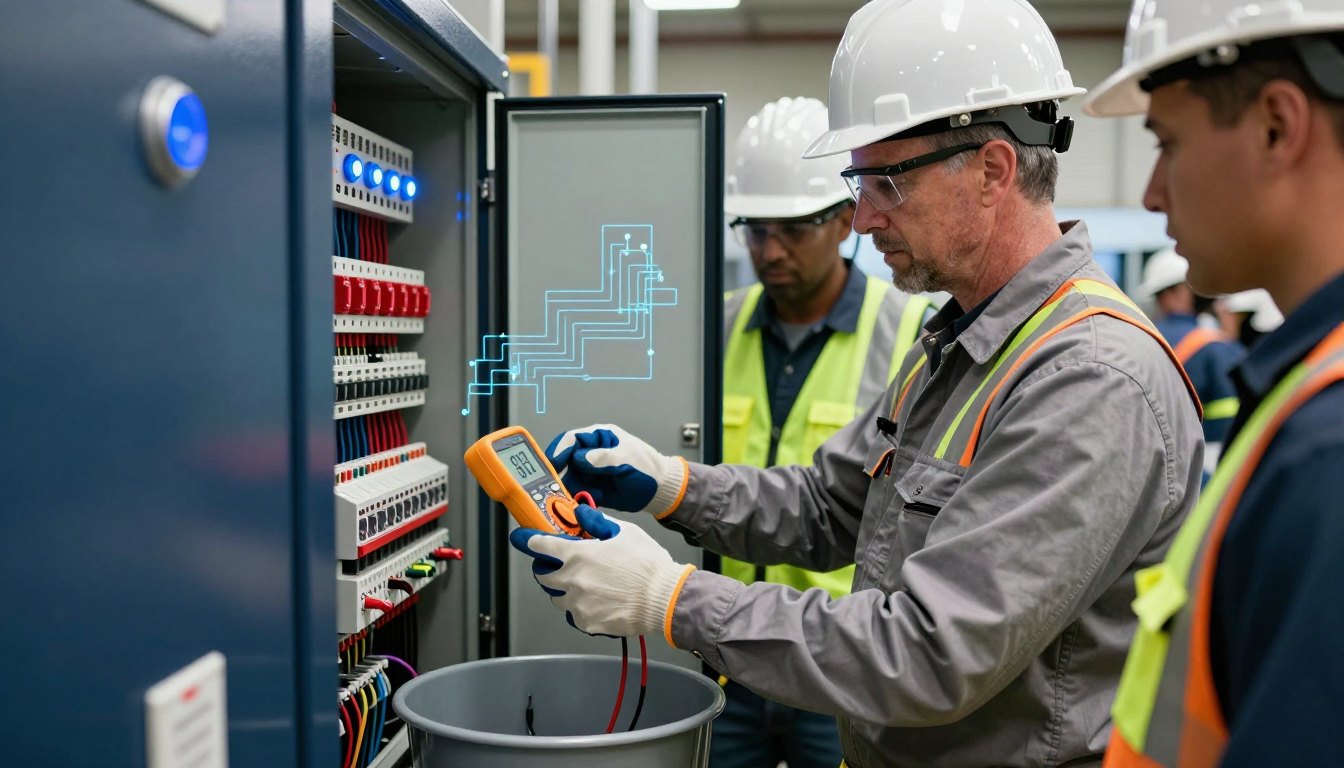
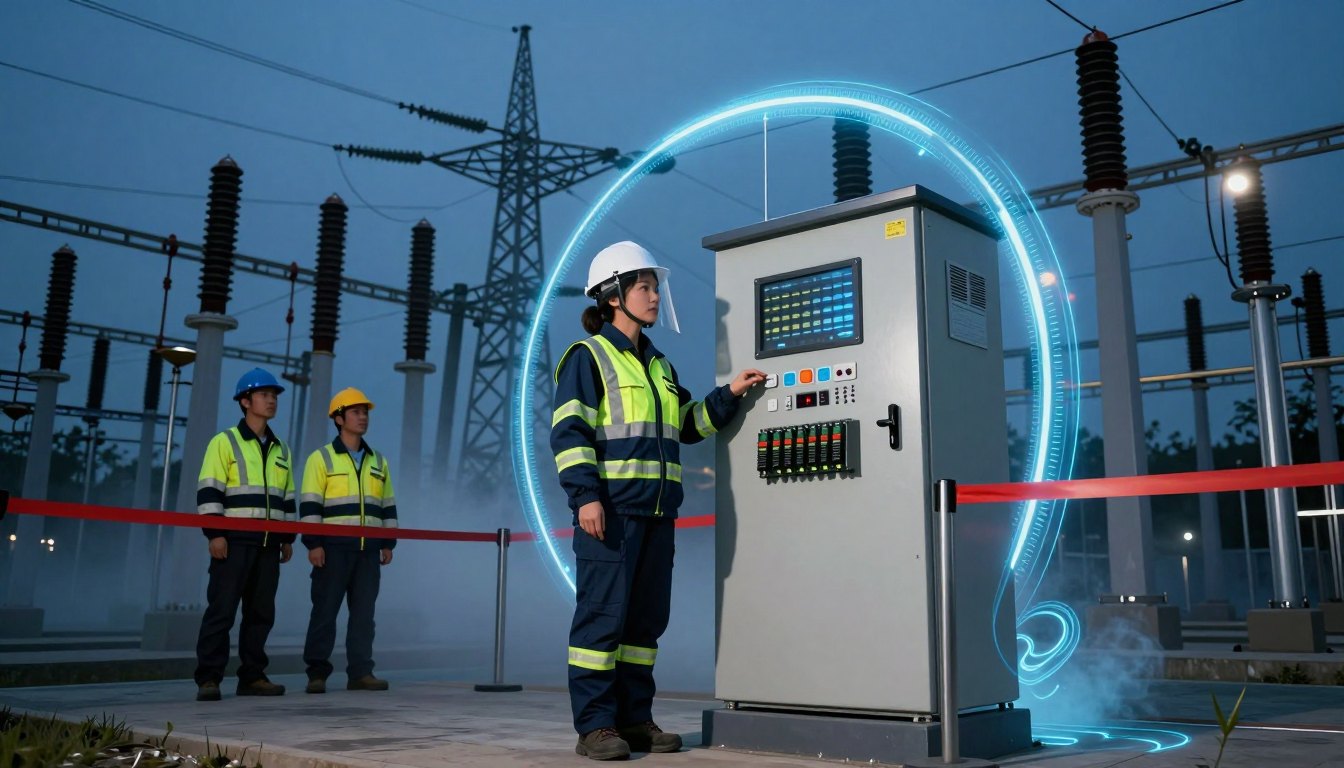
This program equips experienced engineers for that responsibility. Participants examine the dangers of electricity in detail, including arc flash physics, incident energy and PPE selection, then work through authorization levels, risk assessment, live working in routine and non-routine situations, and safety document procedures. Emergency planning and response close the course. Scenarios draw on MV and HV installations designed to IEC 61936-1 and operated under NFPA 70E and OSHA 29 CFR 1910.269.
Learning Outcomes
- Analyze electrical hazards, including shock, arc flash and arc blast, and their consequences
- Interpret incident energy results and specify arc flash PPE and boundaries
- Explain personal and corporate legal responsibilities for electrical safety
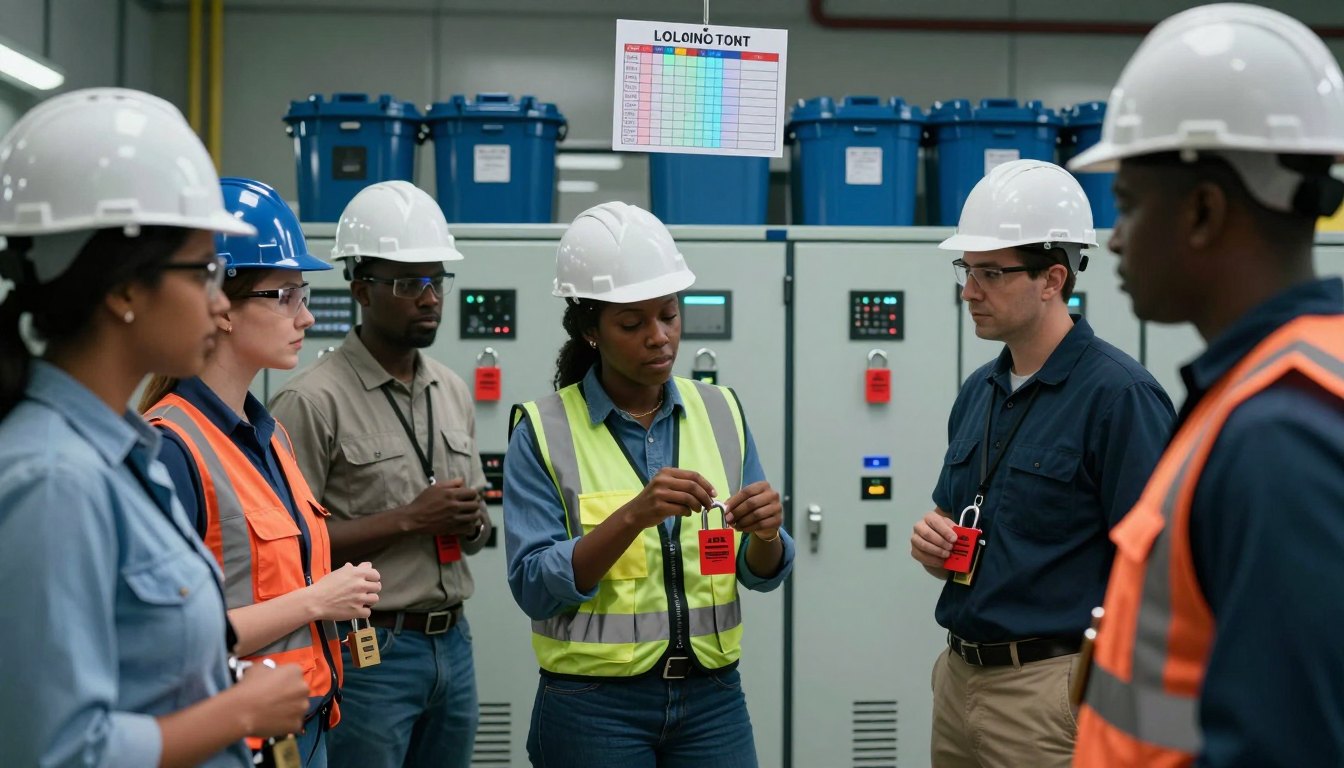
- Define authorization levels and appoint, brief and audit authorized persons
- Evaluate and approve or reject live working in routine and non-routine situations
- Prepare risk assessments and issue, transfer and cancel safety documents
- Plan and lead emergency procedures for electrical incidents
Program Modules
- Dangers of Electricity and Safe Working Requirements — physiological effects of current, shock and burn mechanisms and the hierarchy of controls
- Arc Flash, Incident Energy and PPE — arc physics, IEEE 1584 incident energy, arc flash boundaries and PPE categories
- Personal and Corporate Legislative Responsibilities — duties of employers, managers and individuals and the consequences of failure
- Responsibilities of Authorization Levels — competent, authorized and senior authorized roles, appointment and audit
- Live Working in Routine and Non-Routine Situations — justification, planning, controls and when to refuse
- Risk Assessment Requirements — task-based risk assessment, method statements and review
- Safety Document Procedures — permits to work, sanction for test, limitation of access and switching programs
- Emergency Procedures — rescue from electrical contact, first response, incident control and reporting
Who Should Attend
- Electrical engineers appointed or nominated as Senior Authorized Persons
- Electrical managers and responsible engineers
- Authorized Electrical Persons progressing to senior roles
- HSE managers with electrical safety responsibilities
- Utility and industrial operations leaders
Standards & Codes Referenced
- NFPA 70E
- OSHA 29 CFR 1910.269
- IEEE 1584
- IEC 61936-1
- BS 7671
Assessment & Certification
Assessment combines a written examination on electrical hazards, arc flash, legal duties, authorization and safety document procedures with a practical assessment in which each participant leads a complex switching and isolation scenario, prepares the risk assessment and safety documents and responds to a simulated emergency. Practical sessions take place at ASEEE-approved training centers, using calibrated equipment and realistic work scenarios under the supervision of a qualified assessor.
Participants who meet the competency criteria receive an ASEEE competency certificate carrying a unique certificate ID that employers and clients can verify online through Certificate Check. ASEEE recommends recertification every 3 years to keep skills aligned with current practice and revised standards.