Program Overview
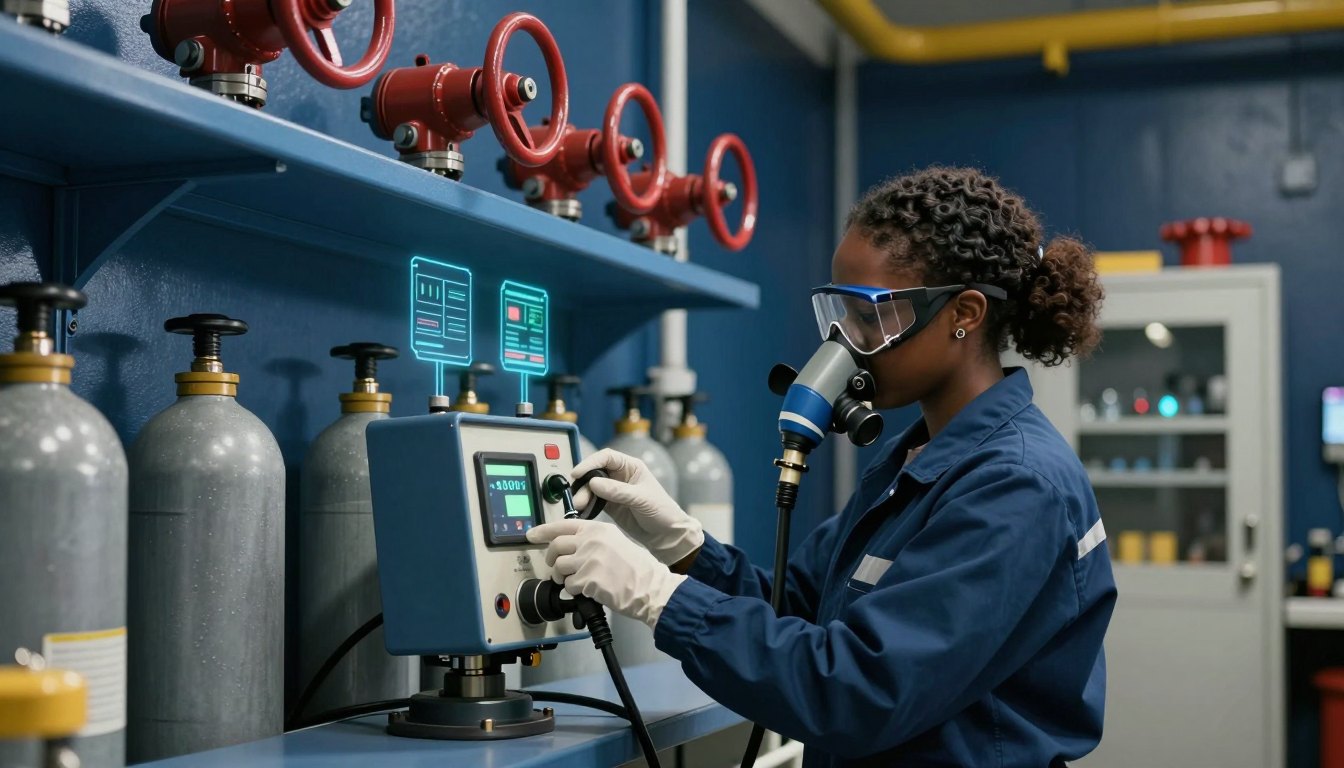
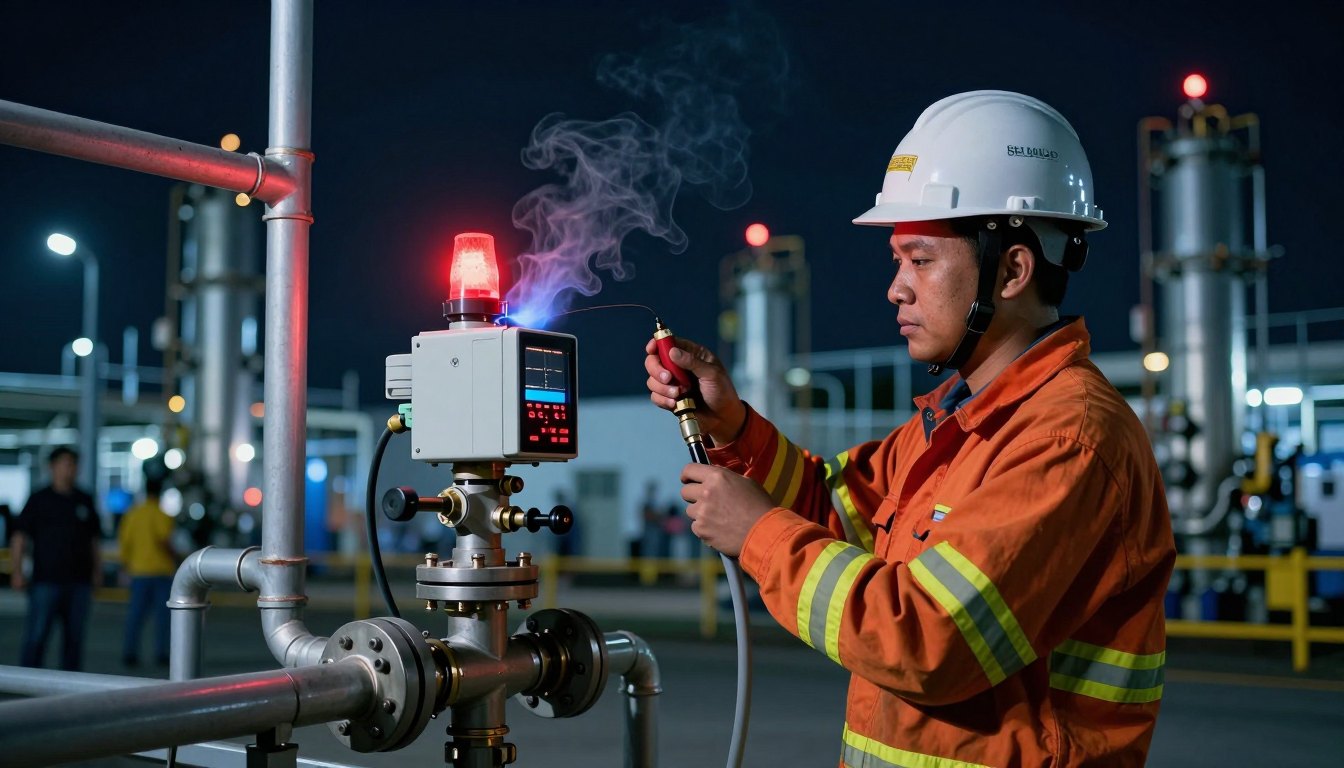
Intelligent gas sensors do far more than switch an alarm. They self-diagnose, communicate digitally, store calibration history and integrate with control panels and safety systems. This program gives technicians and engineers a working understanding of MSA and Detcon detection platforms so they can apply them correctly and keep them performing.
Participants study how catalytic, infrared and electrochemical sensors detect LEL and H2S hazards, how control panels process and annunciate signals, and how detection ties into alarm and signaling requirements. The program covers tolerance and design requirements, legal duties, codes of practice, and the strengths and weaknesses of each detection technique. Practical sessions address configuration, bump testing, calibration and basic area mapping, linked to hazardous area classification.
Learning Outcomes
- Explain the detection principles of catalytic bead, infrared and electrochemical gas sensors
- Describe the role of H2S and LEL detectors within a facility safety system
- Configure MSA and Detcon detectors and control panels, including alarm set points and outputs
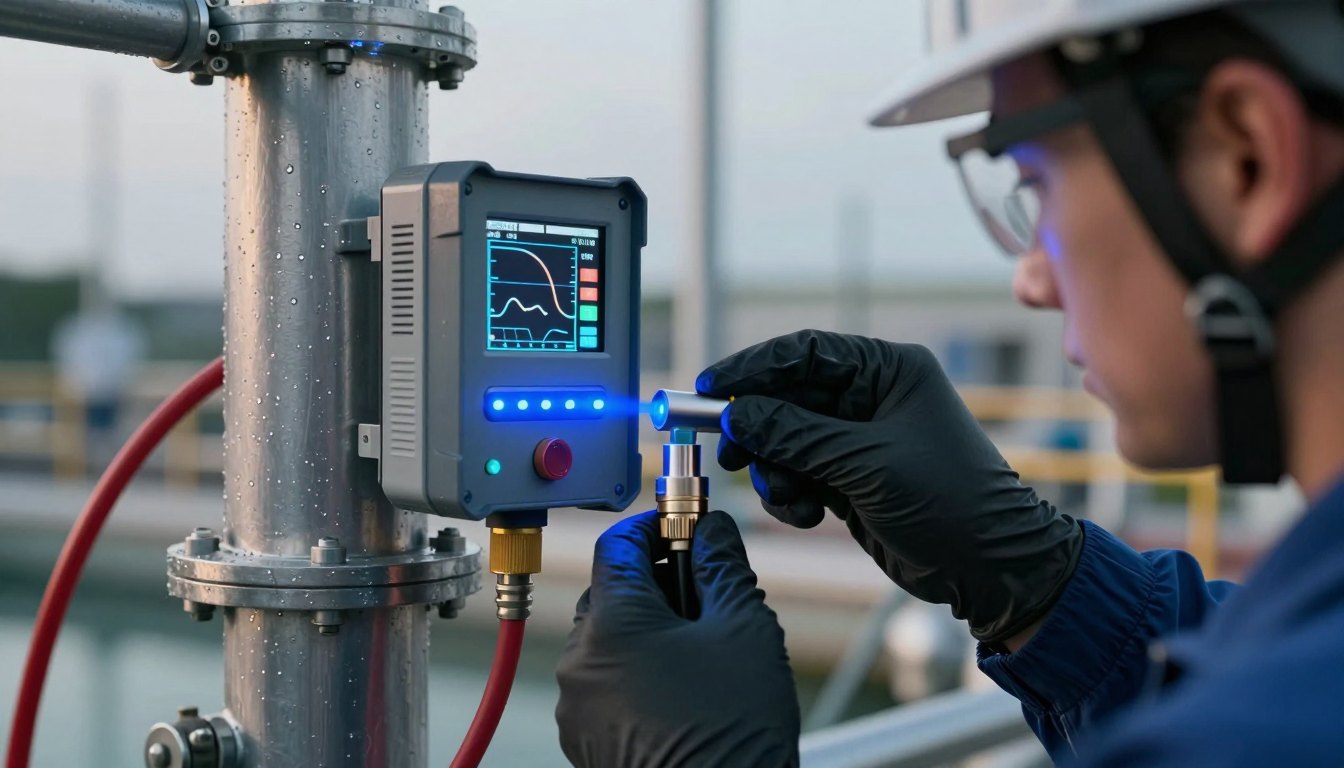
- Perform bump tests and calibrations and interpret sensor diagnostics
- Compare detection techniques and select the right technology for a given gas and environment
- Apply basic detector mapping in relation to hazardous area classification
Program Modules
- Detection Principles and Control Panels — sensor signals, controllers, alarm logic and annunciation on MSA and Detcon systems
- H2S and LEL Detection Devices — how toxic and flammable gas sensors work and their role in protecting people and assets
- Tolerance and Design Requirements — accuracy, response time, drift and set point selection
- Legal Requirements and Codes of Practice — duties of employers and the codes governing detection and alarm systems
- Industry Best Practices — installation height, environmental protection, maintenance intervals and records
- Strengths and Weaknesses of Detection Techniques — poisoning, cross-sensitivity, oxygen dependence and failure modes
- Area Mapping and Hazardous Area Classification — placing detectors relative to zones, release points and ventilation
- Device Selection for Specific Hazards — choosing the correct sensor set for each part of the facility
Who Should Attend
- Instrument and gas detection technicians
- Fire and gas system engineers
- Maintenance supervisors in oil, gas and wastewater facilities
- HSE officers responsible for gas monitoring
- Commissioning engineers for safety systems
Standards & Codes Referenced
- NFPA 72 (National Fire Alarm and Signaling Code)
- ISO 7240-14:2013 (Fire detection and alarm systems, design, installation, commissioning and service)
- BS EN 54 series (Fire detection and fire alarm systems)
- IEC 60079-29-1 (Gas detectors, performance requirements for flammable gas detectors)
Assessment & Certification
Competence is confirmed through a written examination on sensor principles, codes and selection criteria and a practical assessment involving configuration, bump testing and calibration of intelligent gas detectors and control panels. Practical sessions take place at ASEEE-approved training centers under the supervision of a qualified assessor.
Successful candidates receive the ASEEE competency certificate, which carries a unique ID that employers and clients can verify online through Certificate Check. Recertification is recommended every 3 years.