Program Overview
Records of underground services are often incomplete, out of date or simply wrong. Before any excavation, someone on site must establish where buried cables and pipes really are. That responsibility falls to the locator operator, and it demands consistent technique rather than guesswork.
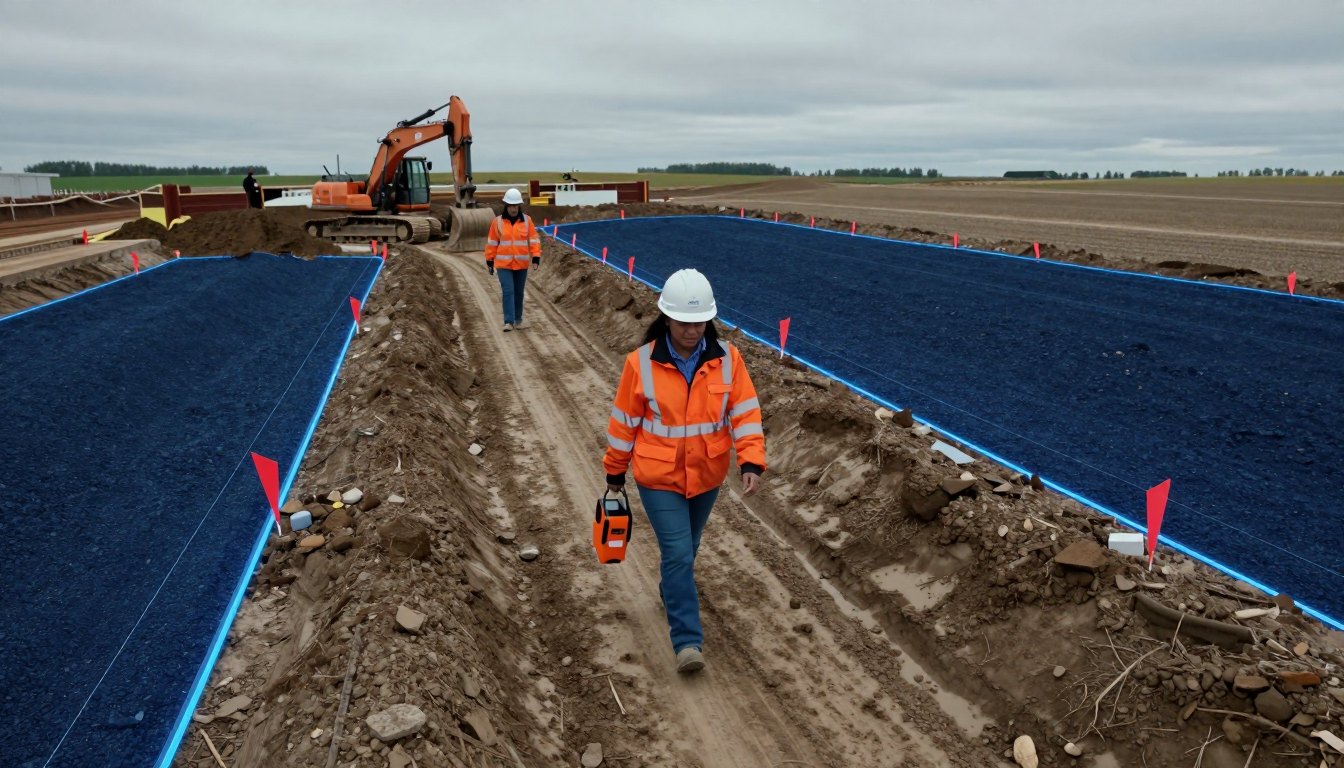
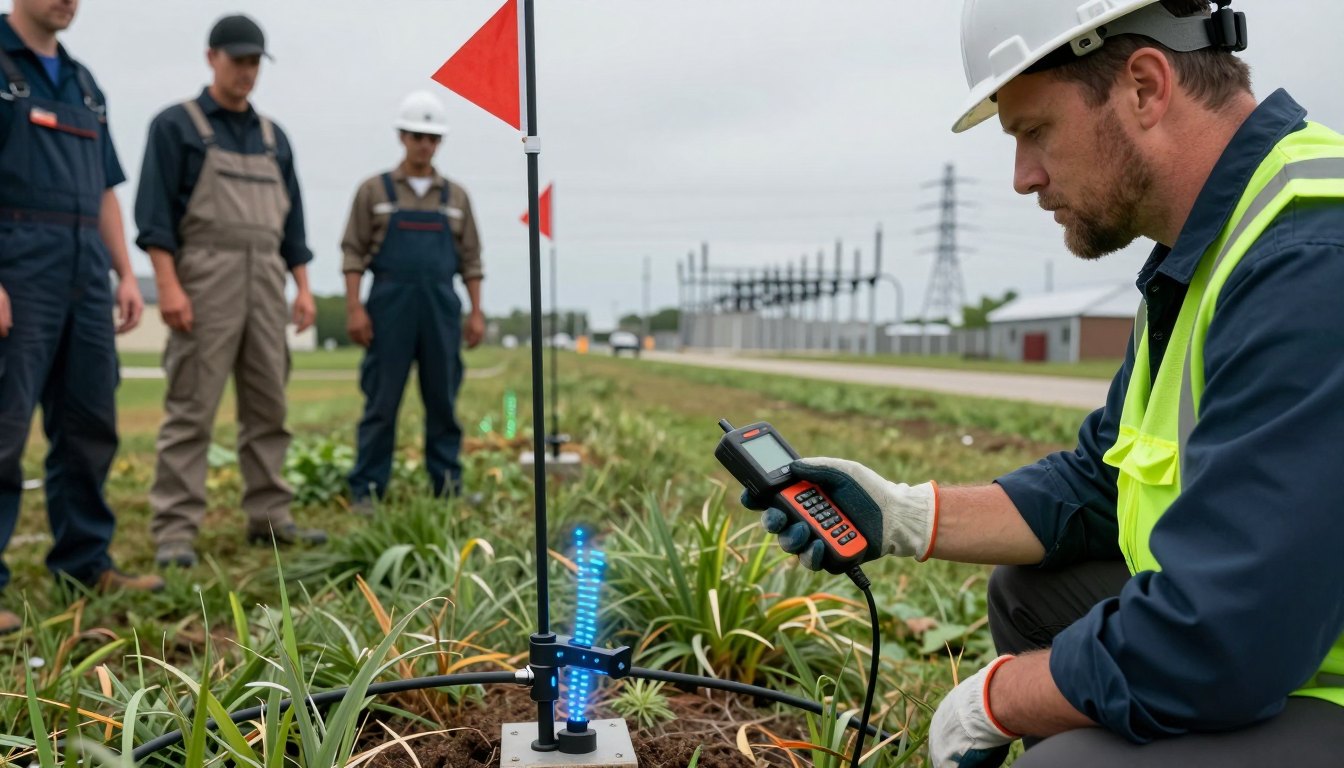
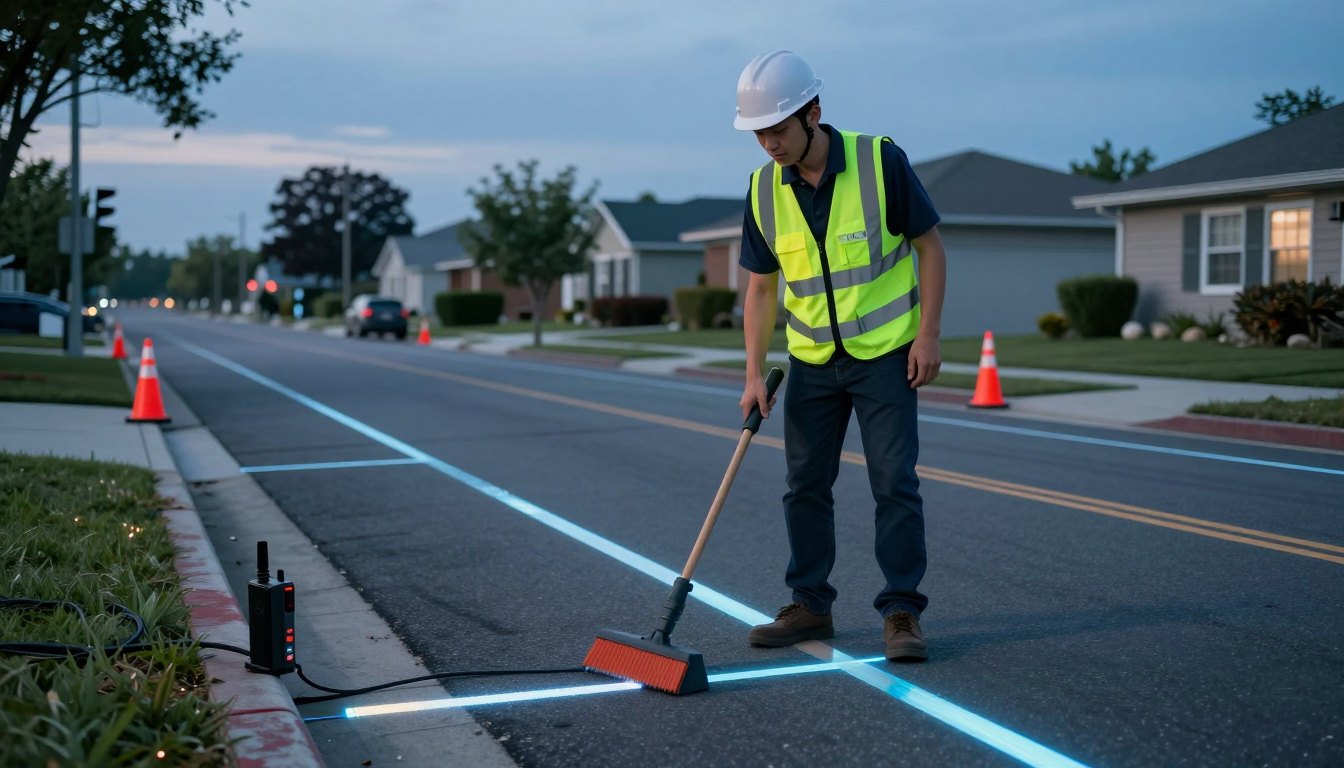
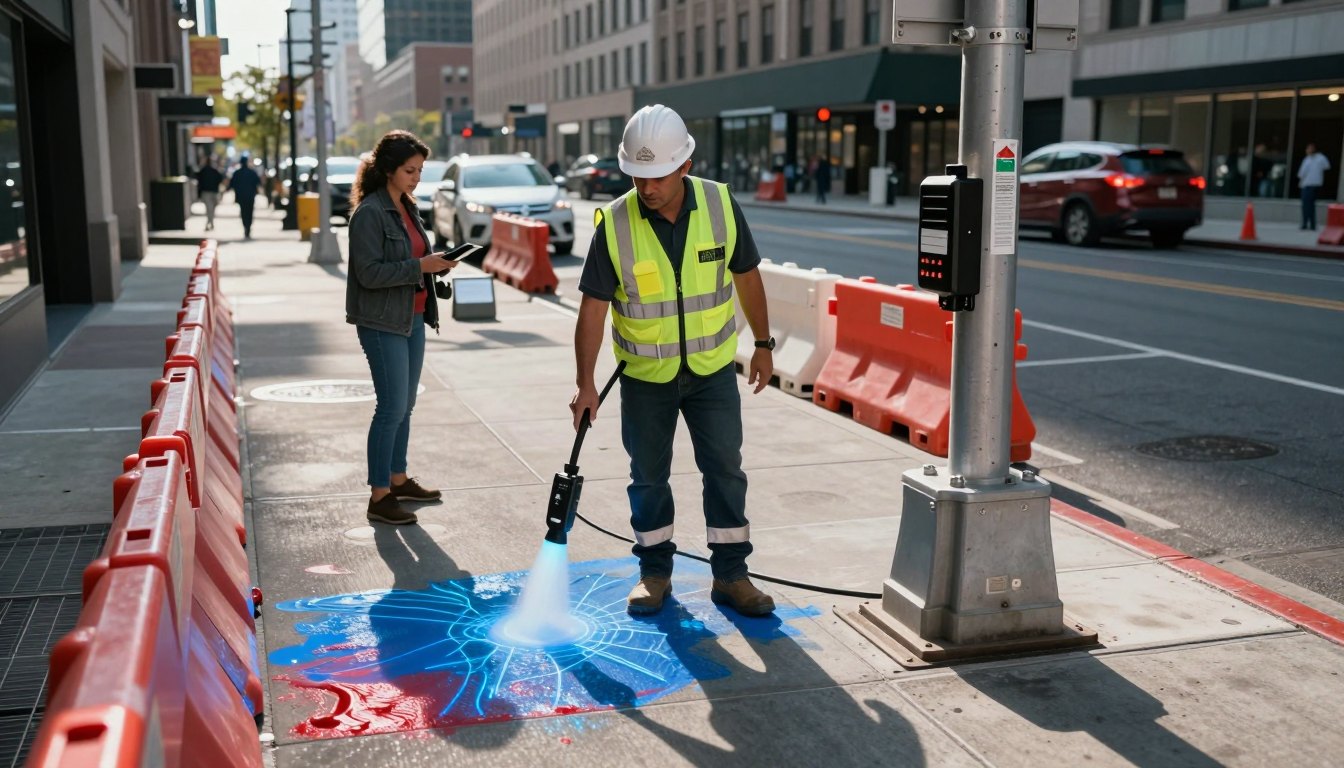
This program develops competence with locator and signal generator sets independent of manufacturer. Participants learn to interpret utility plans and surface evidence, understand the electromagnetic principles of location, and use passive power and radio modes together with an active transmitter signal. Outdoor practical sessions on a designated test area develop a systematic sweeping method, accurate pinpointing and clear marking of services. Participants also learn what locators cannot find, such as unlit plastic pipes without tracer wire, and when to escalate to hand digging, vacuum excavation or a ground-penetrating radar survey.
Learning Outcomes
- Interpret utility records, plans and symbols and recognize their limitations
- Identify surface indicators of buried services on site
- Explain how locators detect electromagnetic fields from cables and pipes
- Perform calibration checks and pre-use tests on locator and transmitter equipment
- Sweep a work area systematically using power, radio and transmitter signals
- Pinpoint, mark and record located services in line with safe digging guidance
Program Modules
- Interpreting Utility Plans and Symbols — service records, plan conventions and accuracy limits
- Identifying Services on the Ground — surface features and evidence of buried services
- Theory of Cable Location — electromagnetic fields, passive and active location
- Locator Controls and Displays — what the controls and indications mean on typical instruments
- Calibration and Pre-Use Testing — self-tests and functional checks before use
- Power and Radio Sweeping of the Work Area — systematic grid sweeps for complete coverage
- Locator and Transmitter Compatibility — pairing receiver and transmitter, frequencies and connection methods
- Correct Operational Procedures — marking, recording and safe excavation practice
- Outdoor Practical — locating services on a designated test area
Who Should Attend
- Excavation and groundworks operatives
- Utility, telecom and water network field staff
- Site supervisors issuing permits to dig
- Construction health and safety personnel
- Facility and plant engineers who authorize excavation on operating sites
Standards & Codes Referenced
- HSE HSG47 (Avoiding Danger from Underground Services)
- OSHA 2226-10R (Trenching and Excavation Safety)
- BSI PAS 128:2014 (Underground Utility Detection, Verification and Location)
Assessment & Certification
Candidates complete a written test on location theory and safe digging practice and a practical assessment in which they locate, trace and mark buried services on a test area within set accuracy limits. Practical sessions take place at ASEEE-approved training centers.
Successful candidates are awarded the ASEEE competency certificate, issued with a unique certificate ID that employers and clients can verify online through Certificate Check. ASEEE recommends recertification every 3 years to keep competence aligned with current standards, equipment and site practice.