Program Overview
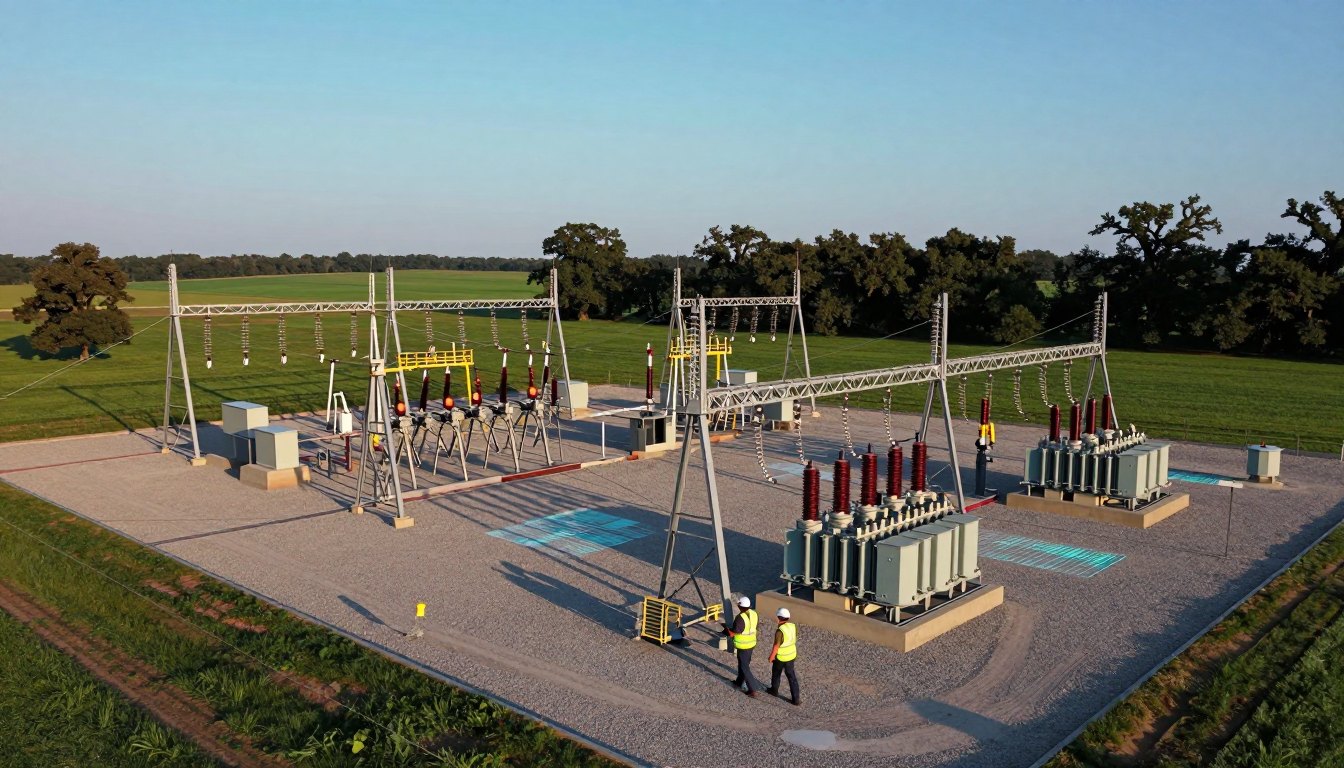
A substation is a long-life asset. Equipment choices made at the design stage fix its fault capability, reliability and maintenance burden for forty years or more. Good design balances short-circuit duty, insulation coordination, clearances, operability and cost, while keeping step and touch voltages safe for anyone who walks the yard.
This program takes participants through that design process for transmission and distribution substations. It refreshes the electrical engineering fundamentals that drive equipment ratings, then covers circuit breaker selection and sizing, the use of component selection tables, busbar arrangements and switchyard layout, and earthing design. Equipment requirements are drawn from IEC 62271 for switchgear, IEC 60076 for power transformers and the IEEE C37 series for circuit breakers, while earthing design follows IEEE 80 methods. Worked examples carry a single substation from one-line diagram to equipment schedule.
Learning Outcomes
- Apply per-unit, fault level and load calculations to establish equipment ratings
- Select and size circuit breakers for rated current, short-circuit breaking and making duty
- Use component selection tables to specify disconnectors, instrument transformers, surge arresters and busbars
- Compare busbar arrangements and develop a substation and switchyard layout with correct clearances
- Specify power transformers in line with IEC 60076
- Design a substation earthing grid and check step and touch voltages using IEEE 80 methods
Program Modules
- Fundamentals of Electrical Engineering for Substations — per-unit system, fault levels, insulation levels and load growth
- Circuit Breaker Selection and Sizing — ratings, breaking and making capacity, interrupting media and IEC 62271-100 and IEEE C37 requirements
- Component Selection Tables — structured selection of disconnectors, CTs, VTs, surge arresters, insulators and conductors
- Power Transformers — ratings, vector groups, impedance, cooling and IEC 60076 specification
- Substation and Switchyard Design — single and double busbar, breaker-and-a-half and ring arrangements, layout and clearances
- Substation and Switchyard Earthing — soil resistivity, grid design, step and touch voltage and IEEE 80 calculations
- Design Review and Documentation — one-line diagrams, equipment schedules and design reports
Who Should Attend
- Electrical design engineers in utilities and EPC contractors
- Substation project and commissioning engineers
- Consultants reviewing substation designs
- Graduate engineers entering power transmission and distribution
Standards & Codes Referenced
- IEC 62271
- IEC 60076
- IEEE C37 series
- IEEE 80
- NFPA 70
Assessment & Certification
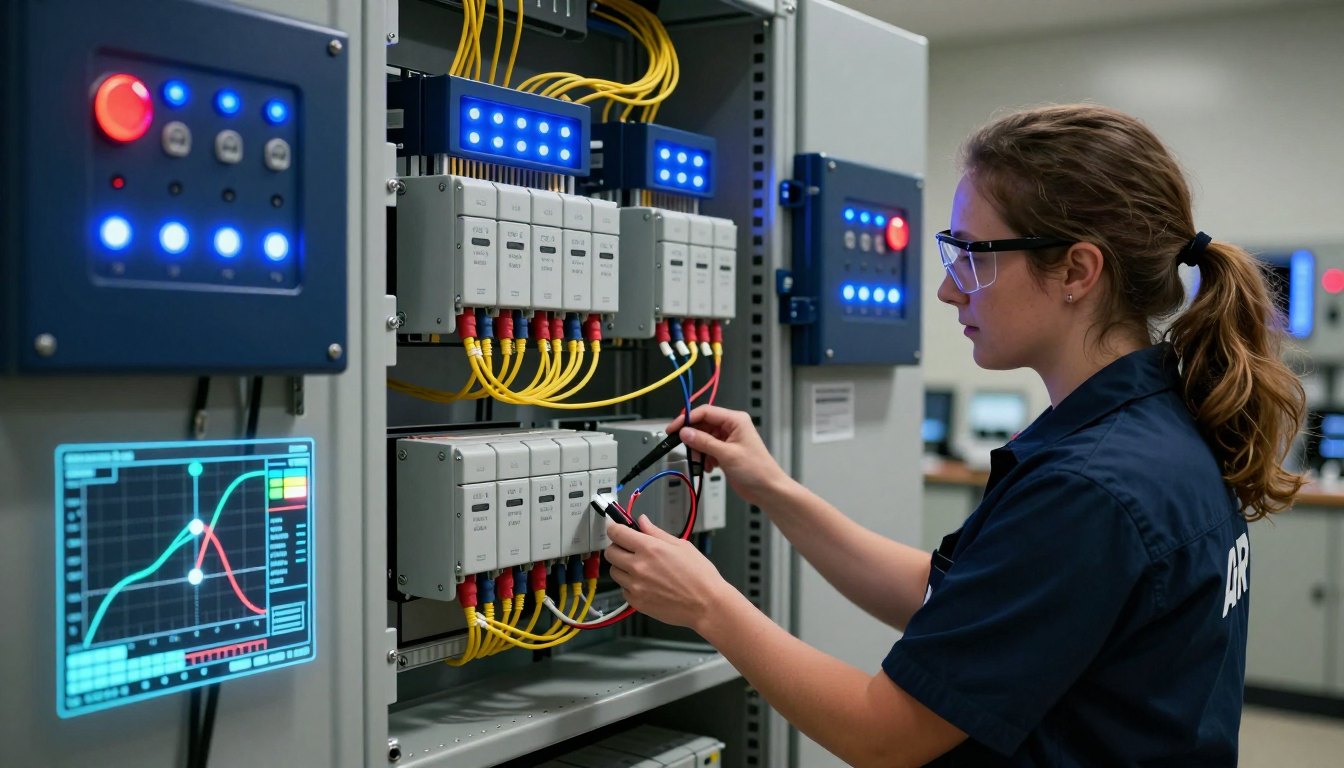
Assessment combines a written examination on substation equipment ratings, layout and earthing design with a practical assessment in which each participant completes a design package for a case-study substation, including breaker sizing, an equipment schedule and an earthing grid check. Practical sessions take place at ASEEE-approved training centers, using calibrated equipment and realistic work scenarios under the supervision of a qualified assessor.
Participants who meet the competency criteria receive an ASEEE competency certificate carrying a unique certificate ID that employers and clients can verify online through Certificate Check. ASEEE recommends recertification every 3 years to keep skills aligned with current practice and revised standards.