Program Overview
An arc flash releases intense heat, pressure and light in a fraction of a second, and its consequences are often life-changing. Preventing those injuries starts with knowing how much energy is available at each piece of equipment and controlling exposure to it. This program builds the technical skills needed to perform and apply arc flash risk assessments.
Participants begin with shock and arc flash hazards and the physiological effects of electric current, then move into the NFPA 70E risk assessment process, the hierarchy of risk controls and OSHA work practice requirements. The analytical core covers data collection, short-circuit and protective device coordination inputs, and incident energy calculation using the IEEE 1584 model, including electrode configuration and enclosure effects. Results are translated into arc flash boundaries, equipment labels and arc-rated PPE selection.
Learning Outcomes
- Identify shock and arc flash hazards and explain the physiological effects of electric current
- Apply the NFPA 70E risk assessment procedure and hierarchy of risk controls
- Collect the system data required for an arc flash study
- Calculate arcing current and incident energy using the IEEE 1584 method
- Determine arc flash and shock approach boundaries and prepare equipment labels
- Select arc-rated PPE and recommend engineering controls that reduce incident energy
Program Modules
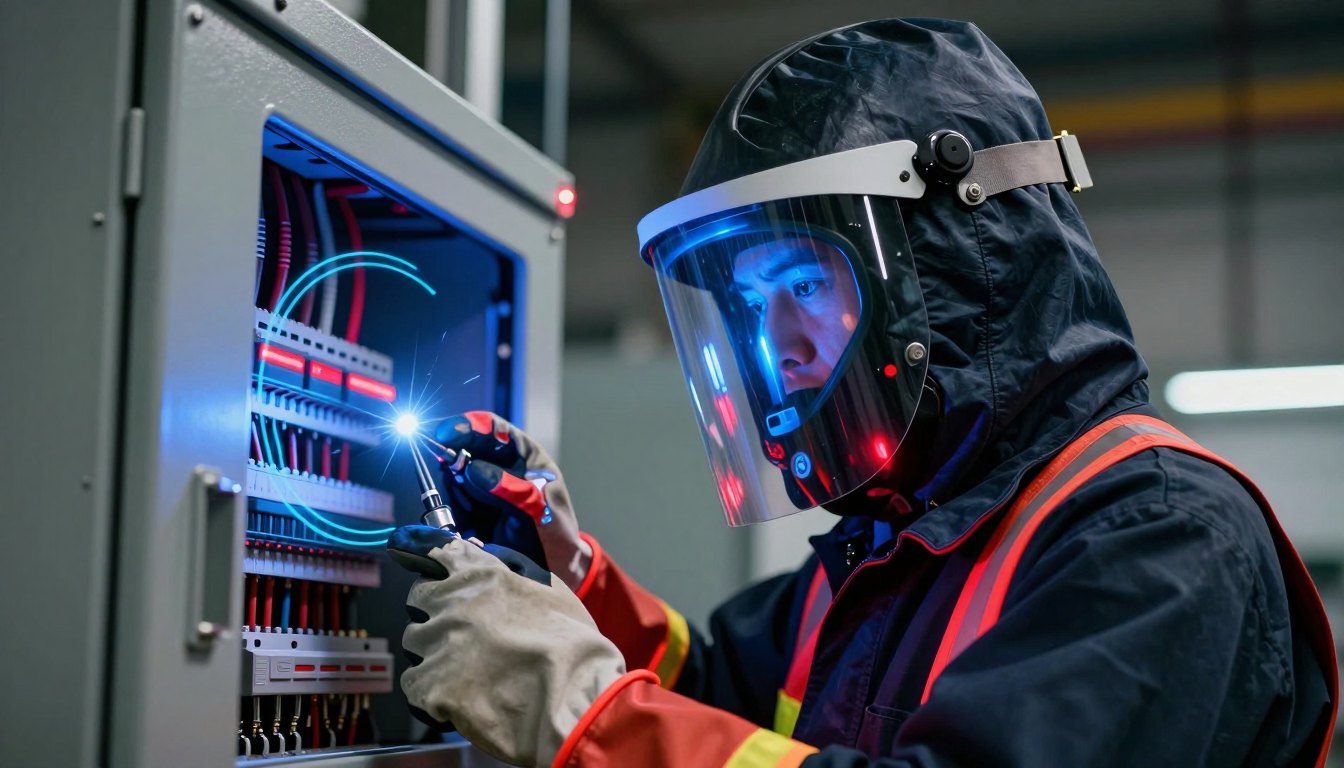
- Electrical Hazards: Shock and Arc Flash — arc physics, blast effects and real incident patterns
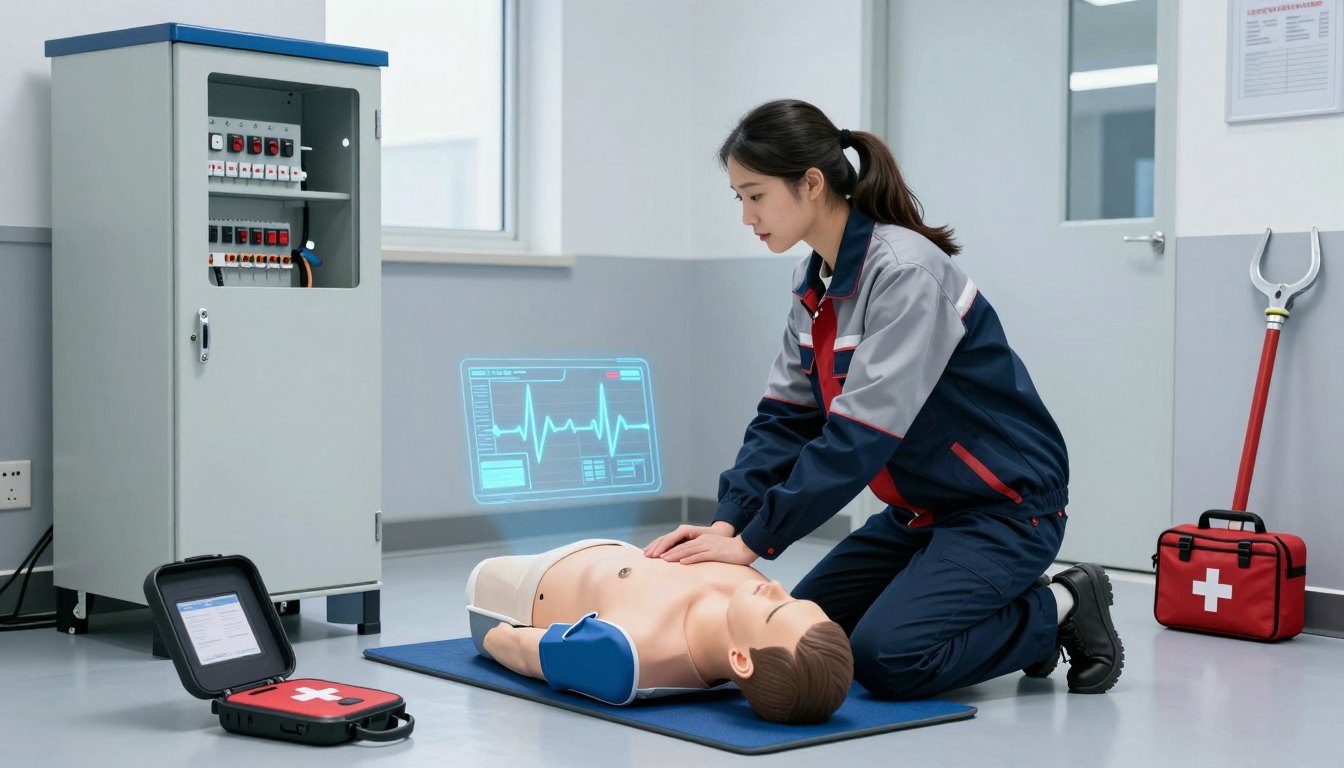
- Physiological Effects of Electric Current — current thresholds, burns and the body's response
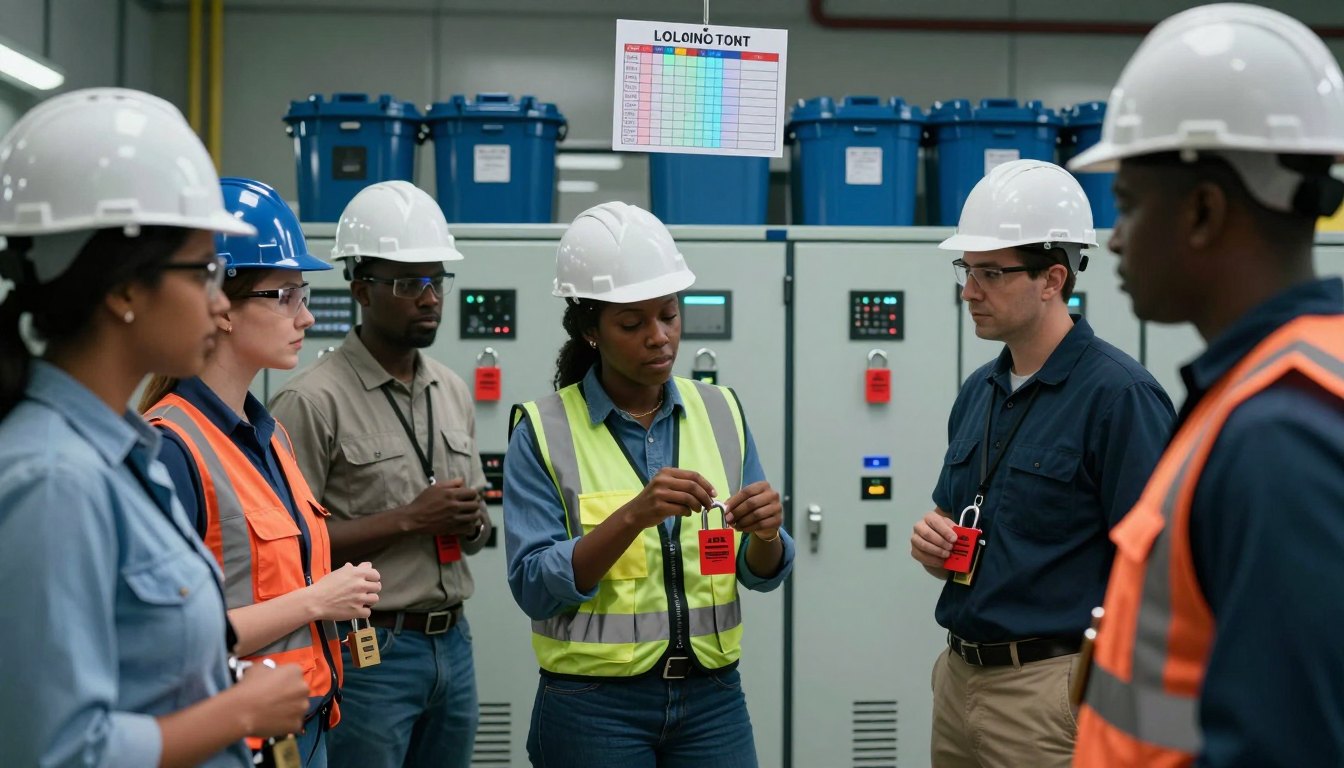
- Safety Practices and Hazard Assessment — NFPA 70E risk assessment, justified energized work and OSHA 1910.333
- Data Collection and System Modeling — one-line diagrams, short-circuit inputs and device clearing times
- Incident Energy Analysis to IEEE 1584 — arcing current, electrode configurations, enclosure sizes and working distances
- Arc Flash Boundaries and Labeling — boundary calculation, label content and study documentation
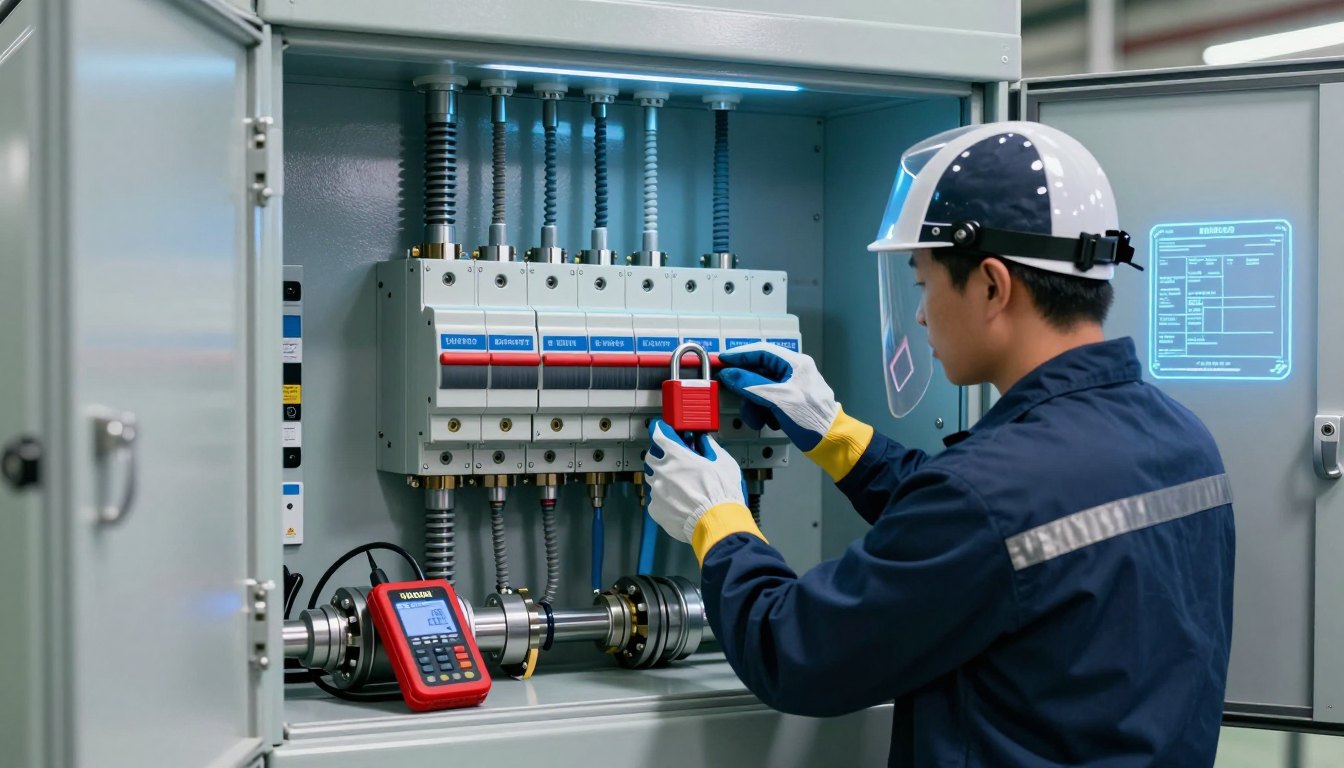
- Arc-Rated PPE and Mitigation — PPE categories, ATPV ratings, maintenance switches and remote racking
Who Should Attend
- Electrical engineers performing power system studies
- Electrical safety officers and program managers
- Maintenance electricians and supervisors
- Facility and plant engineers
- Electrical contractors working on energized equipment
Standards & Codes Referenced
- NFPA 70E (Standard for Electrical Safety in the Workplace)
- OSHA 29 CFR 1910.333 (Selection and Use of Work Practices)
- IEEE 1584 (Guide for Performing Arc-Flash Hazard Calculations)
- CSA Z462 (Workplace Electrical Safety)
Assessment & Certification
Competence is confirmed through a written examination on hazard recognition, NFPA 70E requirements and IEEE 1584 calculation methods and a practical assessment in which participants complete an incident energy calculation for a sample system, specify labels and inspect and don arc-rated PPE. Practical sessions take place at ASEEE-approved training centers under the supervision of a qualified assessor.
Successful candidates receive the ASEEE competency certificate, which carries a unique ID that employers and clients can verify online through Certificate Check. Consistent with NFPA 70E retraining intervals, recertification is recommended every 3 years.