Program Overview
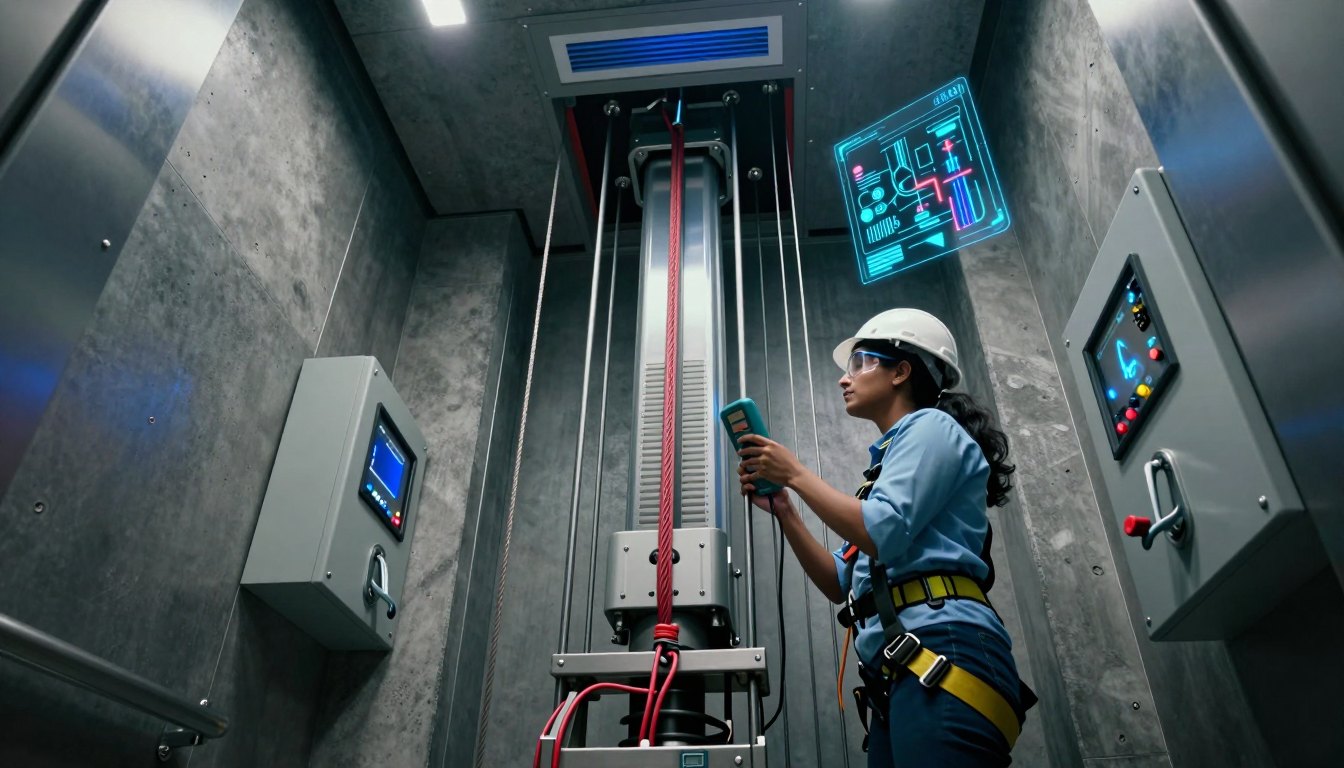
Elevators and escalators move millions of people every day, and their safety depends on electrical systems that must fail safe every time. Safety chains, door interlocks, overspeed and emergency stop circuits, drives and controllers work together to prevent uncontrolled movement. An inspector must understand each of them well enough to test it and to recognize when it has been bypassed or degraded.
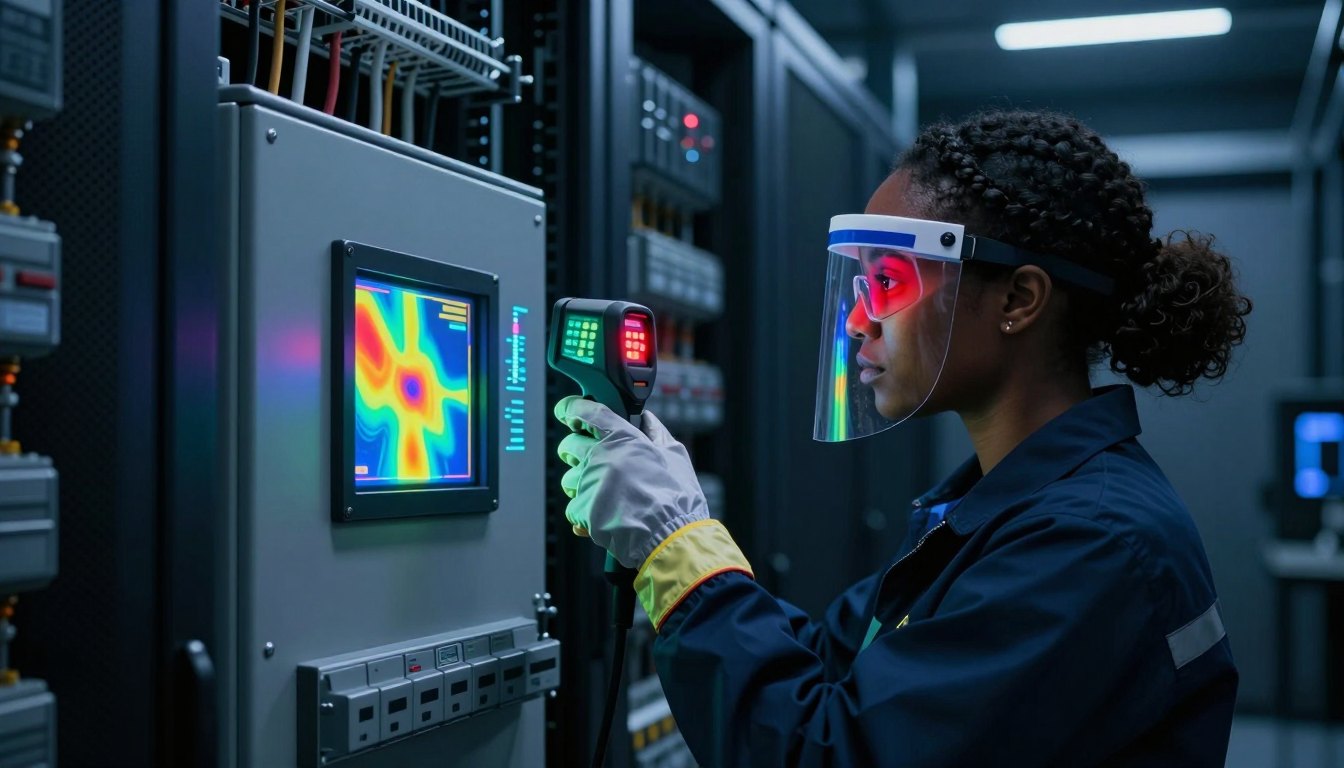
This program builds that capability. Participants study elevator and escalator electrical architecture, isolation requirements, control panels, relays and PLC logic, motor control and variable-frequency drives, and the design of safety circuits and interlocks. Practical sessions cover functional testing, fault finding and inspection checklists. Requirements are drawn from ASME A17.1/CSA B44 for North American installations, EN 81-20 and EN 81-50 for lifts, EN 115-1 for escalators and moving walks, and IEC 60204-1 and IEC 60364 for electrical equipment and installations.
Learning Outcomes
- Describe the electrical architecture of traction, hydraulic and machine-room-less elevators and of escalators
- Apply safe isolation and lockout requirements for elevator and escalator work
- Interpret control panel drawings, relay logic and PLC programs
- Explain motor control and drive systems and their protective functions
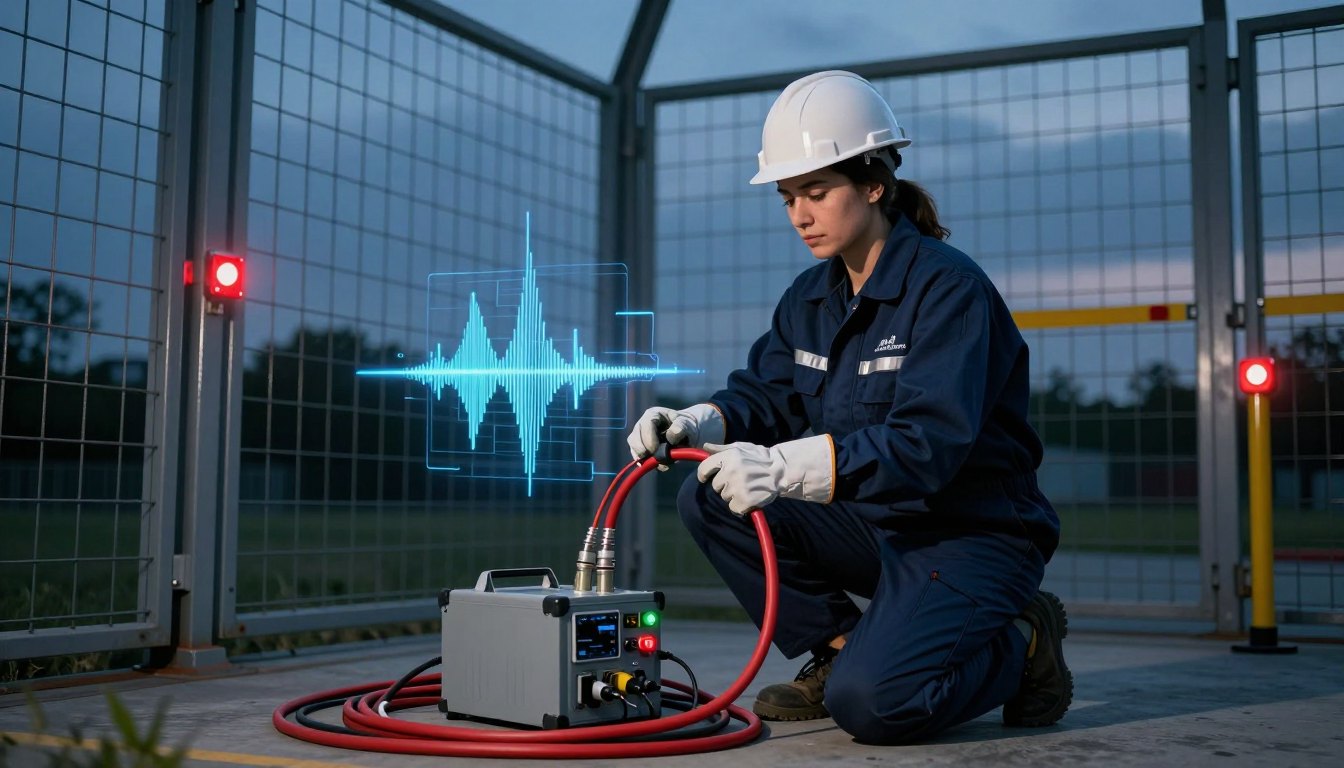
- Test safety circuits, door interlocks and emergency stops and detect bypasses
- Perform structured fault finding on electrical and control systems
- Complete inspection checklists and reports against the applicable codes
Program Modules
- Introduction to Elevator and Escalator Electrical Systems — system types, power supply arrangements and main components
- Electrical Safety Principles and Isolation Requirements — hazards, lockout, safe access to machine rooms, pits and car tops
- Control Panels, Relays, PLCs and Logic Circuits — controller architecture, relay and PLC logic and reading drawings
- Motor Control, Drives and Control Panel Systems — contactors, VFDs, brakes, regenerative drives and protections
- Safety Circuits, Interlocks and Emergency Stops — safety chain design, door locks, overspeed and unintended movement protection
- Functional Testing and Inspection Procedures — test methods for safety devices, alarms, emergency lighting and communication
- Electrical Fault Finding and Troubleshooting — systematic diagnosis of power, control and safety circuit faults
- Inspection Checklists and Reporting Requirements — code-based checklists, defect grading and inspection reports
Who Should Attend
- Elevator and escalator inspectors
- Lift maintenance technicians and engineers
- Building services and facility engineers
- Third-party inspection agency staff
- Consultants specifying vertical transportation systems
Standards & Codes Referenced
- ASME A17.1/CSA B44
- EN 81-20
- EN 81-50
- EN 115-1
- IEC 60204-1
- IEC 60364
Assessment & Certification
Assessment combines a written examination on elevator and escalator electrical systems, safety circuits and code requirements with a practical assessment in which each participant performs functional tests of safety circuits and door interlocks on a training installation, diagnoses an introduced fault and completes an inspection report. Practical sessions take place at ASEEE-approved training centers, using calibrated equipment and realistic work scenarios under the supervision of a qualified assessor.
Participants who meet the competency criteria receive an ASEEE competency certificate carrying a unique certificate ID that employers and clients can verify online through Certificate Check. ASEEE recommends recertification every 3 years to keep skills aligned with current practice and revised standards.