
 NFPA 70E 2024 Edition: What Changed and What It Means for Field Crews
NFPA 70E, Standard for Electrical Safety in the Workplace, is revised on a three-year cycle. Each edition refines how employers and workers identify e...
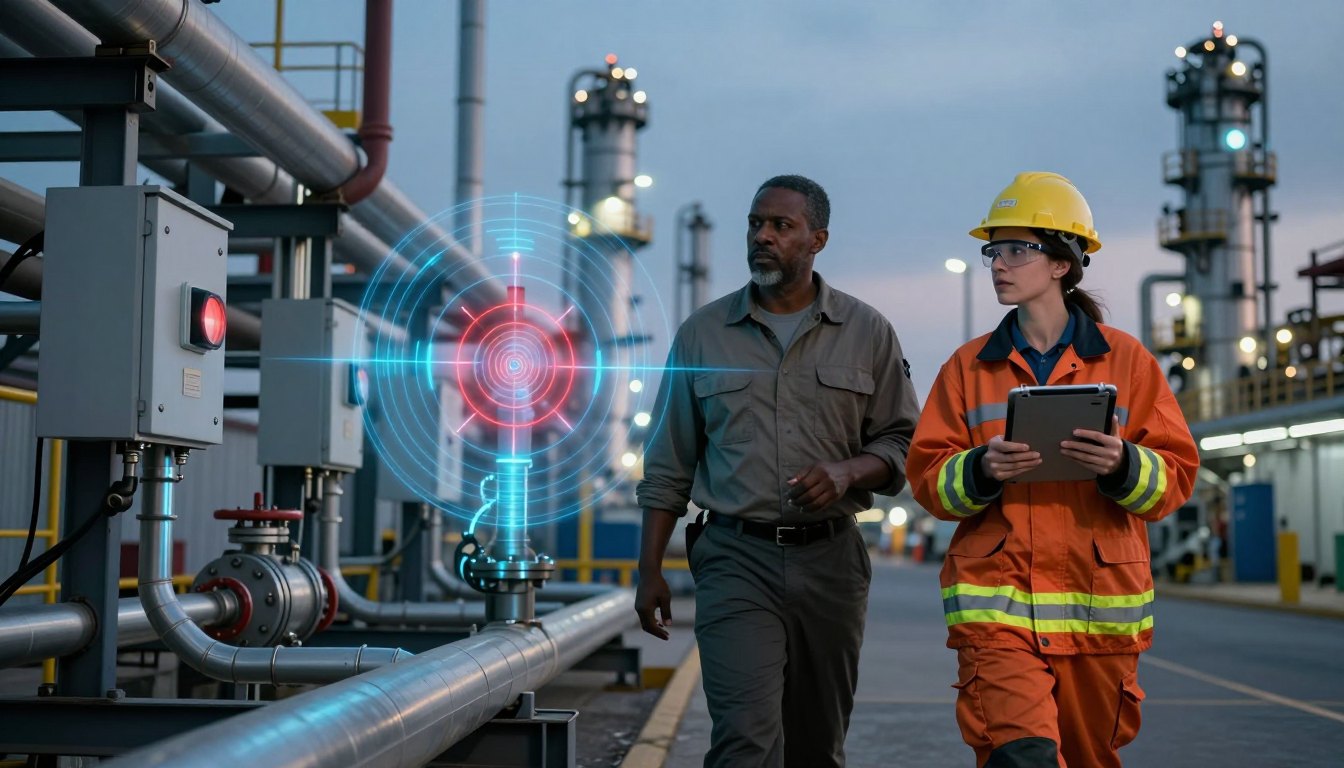 Hazardous Area Classification Explained: Zones vs. Divisions
Wherever flammable gases, vapors, or combustible dusts can be present, electrical equipment becomes a potential ignition source. Hazardous area classi...
 Arc Flash Risk Assessment in Practice: IEEE 1584-2018 Incident Energy Studies
An arc flash label is the visible end of a long analytical chain. Behind every incident energy value is a model of the power system, a set of assumpti...
 Why Competency-Based Certification Matters More Than Attendance Certificates
Most technical professionals have a folder of certificates. Many of them say the same thing: the holder attended a course on a certain date. That reco...
 Infrared Thermography for Electrical Predictive Maintenance
Most electrical failures announce themselves with heat long before they cause an outage or a fire. Loose connections, corroded terminations, unbalance...
 IEC 61850 and the Digital Substation: What Protection Engineers Need to Know
For most of the last century, substation protection and control depended on copper. Hundreds of hardwired connections carried currents, voltages, trip...